

Please find below a list of all intermediate, advanced and critical studies art electives for Fall 2026. For additional information, refer to Student Information Online (SIO).
INTERMEDIATE STUDIOS
Enrollment in intermediate studios is prioritized for sophomores in the BFA and BXA-Art programs. BFA and BXA-Art juniors and seniors can enroll in these courses if space is available and use them to fulfill advanced studio requirements.

Intermediate Studio: Animation Techniques – 60202
M/W 2-4:50pm | Prof Jamie Wolfe
This course presents animation as a time-based art form, focusing on fundamental movement principles. Weekly lectures, screenings, assignments, and workshops enable students to develop proficiency in core animation concepts, including timing, spacing, force, weight, rhythm, and performance while working across hand-drawn, stop-motion, and under-the-camera methods. Technical demonstrations introduce animation pipelines that integrate digital software such as Adobe After Effects, Adobe Premiere, and Dragonframe. Screenings will present both historical and contemporary works, contextualizing animation within the broader history of art and cinema. By the end of the semester, students will possess a comprehensive foundation in essential animation techniques required for advanced study.
Creative Coding – 60212
M/W 2-4:50pm | Prof Golan Levin
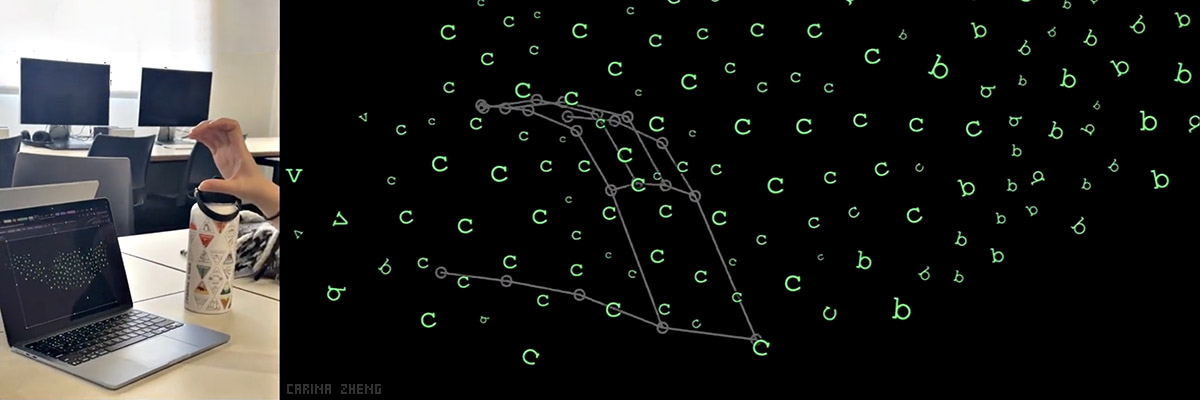
Creative Coding is a practical introduction to the use of programming and computation within the context of the arts. In this intermediate level course, students develop or deepen the skills and confidence to produce interactive, generative, and computational artworks; discuss their work in relation to current and historic praxes of computer art; and critically engage new technologies. This is a “studio art course in computer science”, in which our objective is art and design, but our medium is student-written software. Intended for arts students who have already completed at least one semester of elementary programming (in any language), this class develops craft skills in arts-engineering using a variety of creative coding toolkits. Through rigorous programming exercises in these environments, students will develop mastery over the basic vocabulary of constructs that govern static, dynamic, and interactive form, with the aim of applying these skills to problems in interactive art, computational design, and other creative explorations of transmediality, connectivity, generativity, and immersivity.
Intermediate Game Studio – 60213
T/R 7-9:50pm | Faculty to be announced
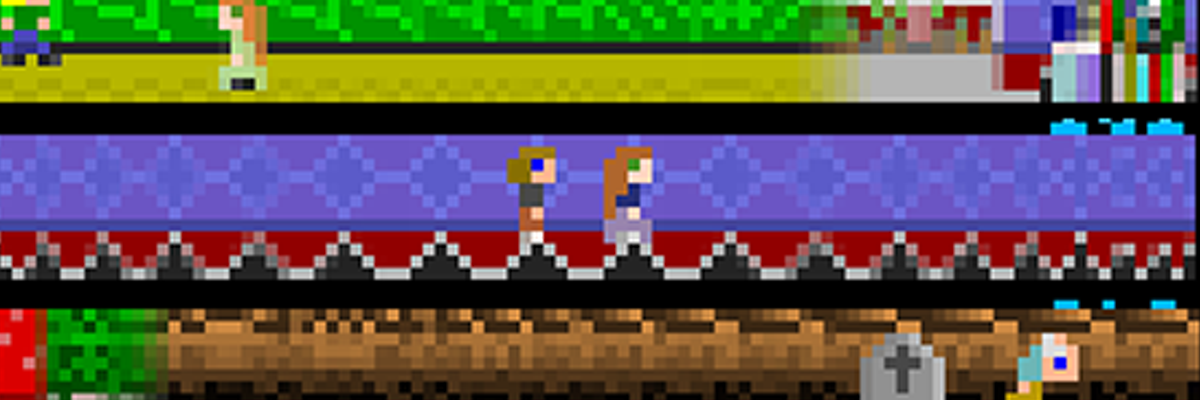
Intermediate Game Studio is a studio-based course that treats games as expressive, experimental, and critical media. Students explore game design through hands-on production, critique, and conceptual inquiry. Emphasis is placed on broad design concerns—systems, interaction, rules, play, narrative, space, and affect—alongside core theoretical perspectives from game studies, art practice, and media theory. Through rapid prototyping and iterative development, students test ideas, embrace uncertainty, and reflect on how formal design choices shape meaning and player experience. Collaboration and critical dialogue are central to the course, supporting the development of a personal design sensibility grounded in both practice and theory. By the end of the semester, students will have developed a series of experimental playable works and a deeper capacity to articulate games as cultural and artistic artifacts.
3D Animation – 60222
M/W 10am-12:50pm | Prof Sujin Kim
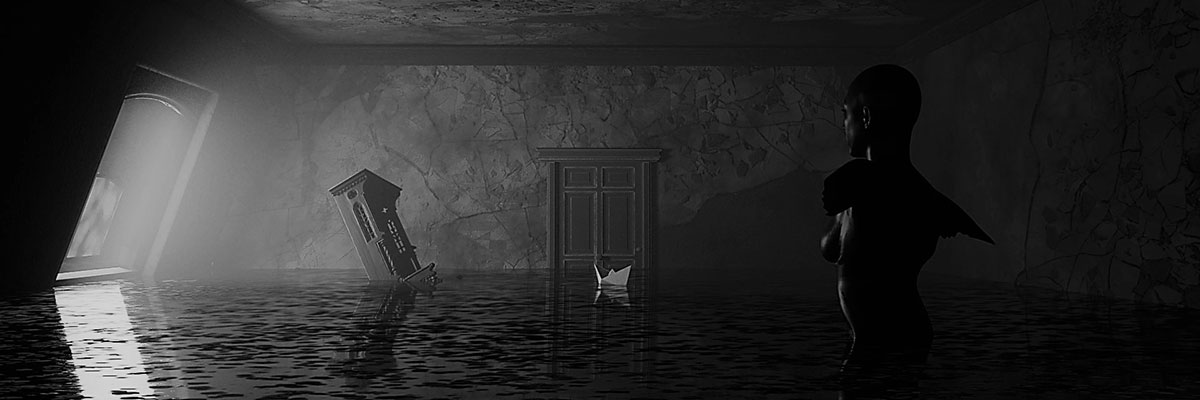
This course introduces students at the beginner to early intermediate level to practical 3D animation production through both traditional workflows and emerging digital tools. Students gain hands-on experience across the core stages of the 3D animation pipeline—including modeling, texturing, rigging, and animation—to develop the technical and conceptual foundations for digital storytelling in three-dimensional space. Grounded in established 3D animation practices, the course encourages students to experiment with AI-assisted tools and critically examine the role of these emerging technologies, while engaging with contemporary production strategies and workflows.
Expanded Cinema – 60224
T/R 2-4:50pm | Prof Johannes DeYoung
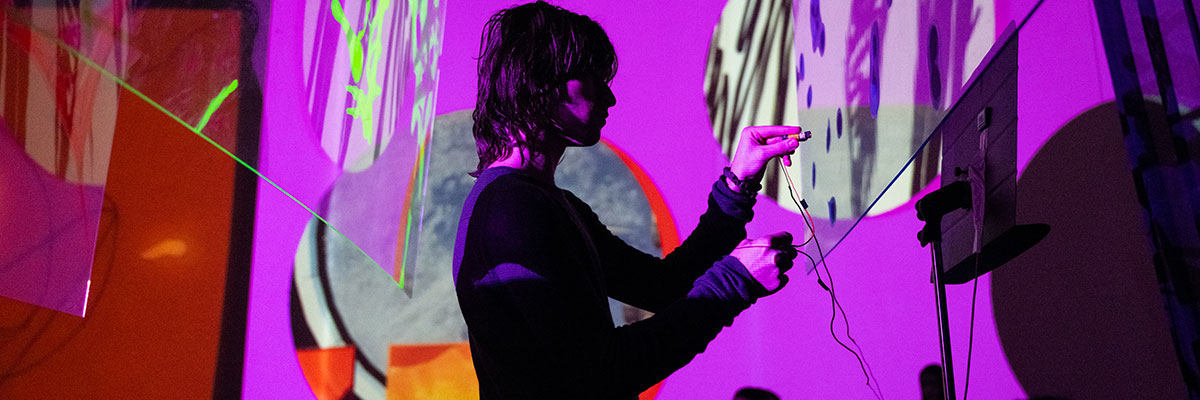
This intermediate studio course examines Expanded Cinema as a set of contemporary practices and historical ideas that extend cinematic language beyond the single screen. Through hands-on production in digital video, editing, and display, students develop projects that experiment with expanded narrative forms, spatialized storytelling, and video installation. The course situates mid–twentieth-century theories of Expanded Cinema alongside current post-media practices, drawing from experimental film, installation art, and networked screen cultures. Emphasis is placed on cinematic vernaculars—time, space, montage, sound, and spectatorship—as they are reconfigured across spatialized, performative, and installation-based contexts. Iterative studio projects, critical viewing, and theoretical discussion establish the primary content of this course.

Digital Fabrication – 60230
M/W 2-4:50pm | Prof Steven Sontag
Digital Fabrication is an intermediate studio course that explores the applied use of 3D scanning, 3D modeling, and CAD/CAM processes used in sculpture- and installation-based studio practices. In this class, students will explore 3D scanning, 3D modeling, and various digital drafting software to generate files and objects for physical output using digital fabrication tools. Students will produce computer-generated objects and physically realize them through hands-on experience and experimentation with 3D printing and laser cutting and engraving.
Intermediate Ceramics – 60234
T/R 2-4:50pm | Prof Yoko Sekino-Bové
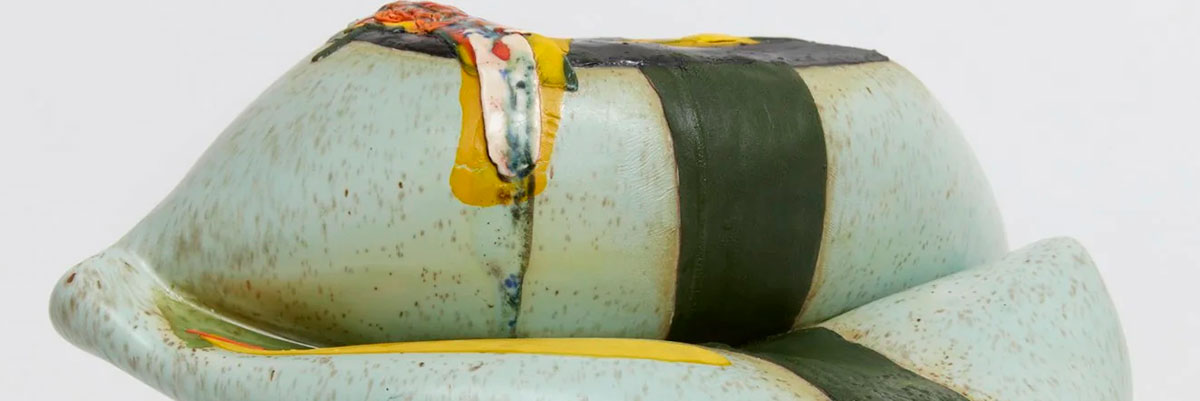
This course is a comprehensive introduction to the craft of ceramic art. Students will investigate clay as an art material for personal expression. The primary emphasis is on studio work leading to a portfolio of finished pieces by the end of the semester. The goal of this course is that students will be able to create expressive, three-dimensional clay forms with the proper understanding of the materials and process. The topics include, but are not limited to, various construction techniques such as soft and hard slab, pinch, coil, and wheel-throwing. Also, surface treatment techniques such as texturing and underglaze painting will be introduced. Discussions will include contemporary artists working in ceramics as well as historical examples and various approaches and techniques for working in clay. This course will consist of demonstrations and lectures, research/writing assignments in and out of class, as well as work time. Students will develop a body of work within the context of the projects to express their individual voice. This course requires students to participate in critiques to analyze their own and others work and identify strengths and weaknesses while promoting artistic growth and the exchange of ideas. No prior experience in clay is required.
Intermediate Weaving – 60247
F 10am-12:50pm & 2-4:50pm | Prof Jamie Boyle
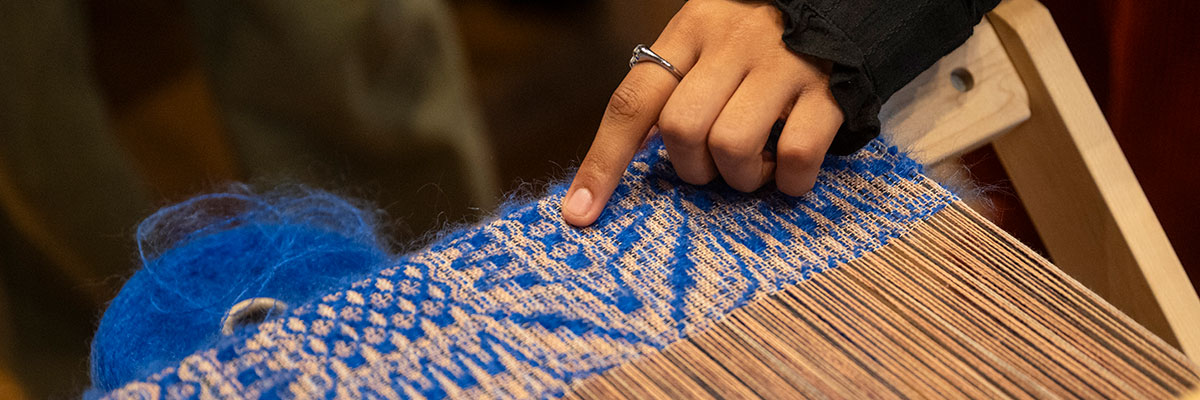
Learn ways of weaving in this in-depth, introductory course! Throughout this course, students will learn some technologies of weaving with a primary focus on the use of multi-harness floor looms. After a basic introduction to the mechanics of a loom, we will follow the question, “what will the cloth do?” as students learn to design, develop, draft and create individualized projects. Together, we will learn to read aspects of cloth, discovering patterns and design among the interlacing threads, while considering histories, meanings, and possibilities. We will also look to the work of contemporary weavers—and weavers past—as well as read historic, modern, and contemporary thinkers to broaden our conversation beyond the studio walls. Weaving can become many things—the source of a poem, the creation of community, the canvas of a painting, a garment, a cloth, a sculptural form, an image, and beyond. This course will be a serious and joyful exploration of the craft. Note: this course will take place off-campus in the Contemporary Craft Timmons Studios, located in the Lawrenceville neighborhood of Pittsburgh.

Intermediate Painting – 60250
M/W 10am-12:50pm (Section A) & T/R 10am-12:50pm (Section B) | Prof Sharmistha Ray & Prof Clayton Merrell
This course serves as an introduction to technical, conceptual and historical practices of painting. Through a variety of painting experiences and presentations using oil media, students progress from observational exercises and exposure to materials and techniques to developing personal processes, imagery and ideas. Class sessions include technical demonstrations, illustrated lectures, personal and group critiques.
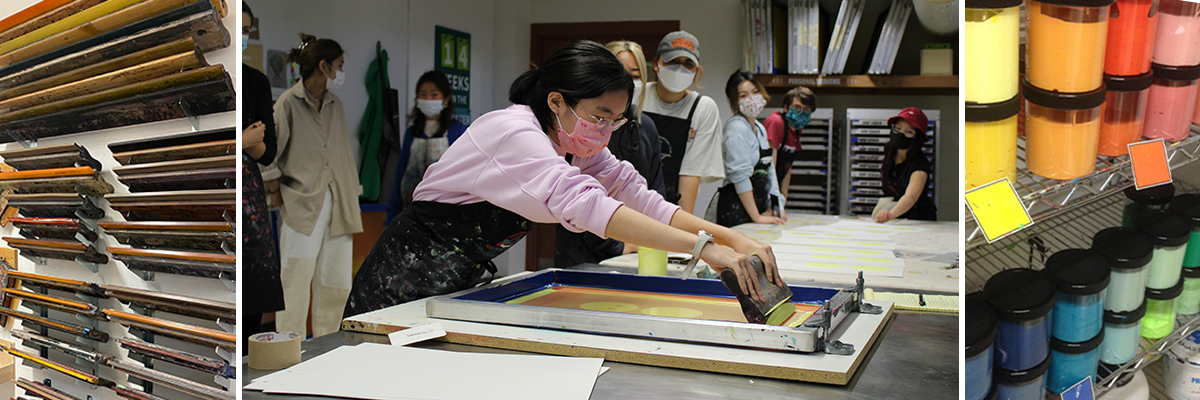
Intermediate Print – 60251
T/R 2-4:50pm | Prof Kellie Hames
This class is a general introduction to four fundamental techniques of traditional Printmaking. Printmaking is a process-based medium that produces multiples of original artworks. Students will create four works on paper using the following printmaking approaches: Relief (carved), Intaglio (engraved), Lithography (planographic), and Screen Printing (stencil). Each technique’s unique set of materials, processes and aesthetics will be explored. This course focuses on traditional tools and practice, but will include utilization of digital images and sources through a critical lens. While primarily focused on the learning of fundamental approaches, the class will also expose students to ways that Print Media can be a tool (physically and conceptually) in contemporary practice.

Figure Drawing – 60255
M/W 11am-1:50pm | Prof Paul Mullins
This course in Figure Drawing is designed as an intensive and sustained exploration of the issues around drawing the figure. It is intended as a studio experience that will equip students with an understanding of how to see and describe the human form, but also to consider the position of such representations in a contemporary context. Students will be concerned with the acquisition of figure drawing skills, but also work on developing ideas, purpose and aims to which these skills can be applied.
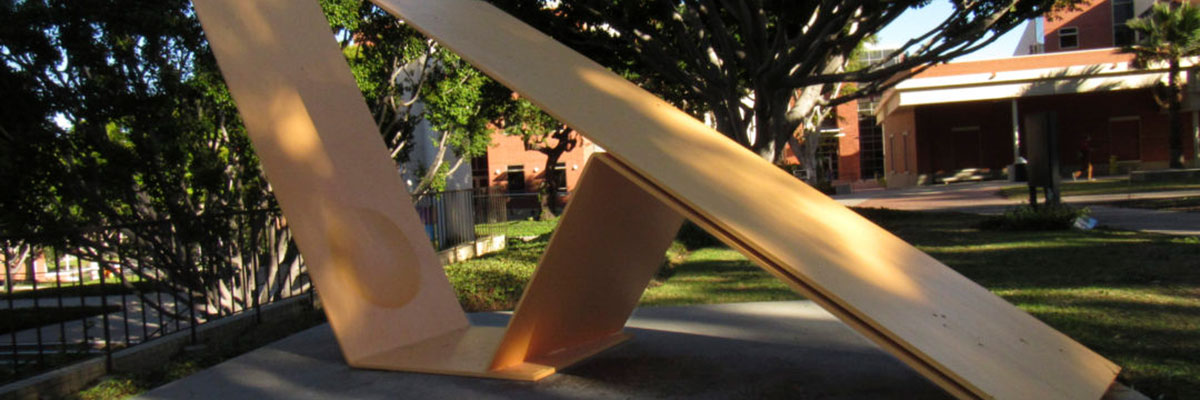
Intermediate Metals – 60262
T/R 7-9:50pm | Faculty to be announced
Intermediate Metals is an intermediate studio course focused on contemporary steel fabrication techniques used in sculpture and installation-based practices. The course emphasizes hands-on learning through the development of practical skills and guided projects that introduce students to working with steel as a primary structural material. Students will learn a range of core metalworking processes, including MIG welding, metal cutting, grinding, drilling, bending, plate shearing, and plasma cutting. Instruction will cover both hot and cold fabrication methods, material preparation, joint design, structural thinking, and safe operation of equipment. Projects are designed to build technical proficiency while encouraging students to apply fabrication skills to spatial and formal problems.
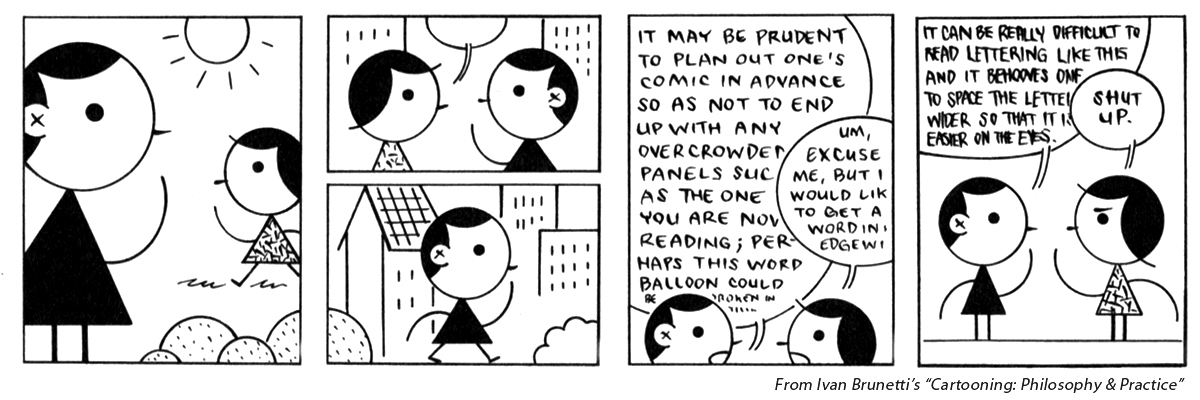
Graphic Novel – 60263
T/R 11am-1:50pm | Prof John Peña
In this course, students will critically and creatively engage with the form of the graphic novel/comics to learn how to better communicate their ideas through the medium. The first half of the semester will focus on improving students’ storytelling skills through a series of technical and exploratory exercises that emphasize effective communication of ideas through the medium of sequential art. For the second half of the term, students will conceptualize and execute a fully realized “five-page” graphic novel/comic. In addition to creating new works of art, we will explore the origins of the “modern” graphic novel. Students will also be exposed to graphic and non-graphic artists whose works have challenged and redefined the genre. We will explore these artists to understand how our work draws on a rich lineage. Students will also be expected to think beyond the commonly accepted notions of a graphic novel and to question the relevance of their work in this medium.

Intermediate Wood – 60266
M/W 2-4:50pm | Prof Michael Muelhaupt
Intermediate Wood is a studio course focused on contemporary woodworking techniques used in sculpture, installation, and object-based studio practices. The course emphasizes hands-on learning through guided projects that introduce students to working with wood as a primary structural and expressive material. Students will work in the School of Art wood shop and learn a range of core woodworking processes, including cutting, milling, shaping, drilling, routing, sanding, and turning. Equipment used in the course includes table saws, routers, sanders, miter saws, drill presses, planers, and the lathe, alongside a wide range of hand tools. Instruction will cover material selection, measuring and layout, joinery methods, surface finishing, and safe operation of all tools.
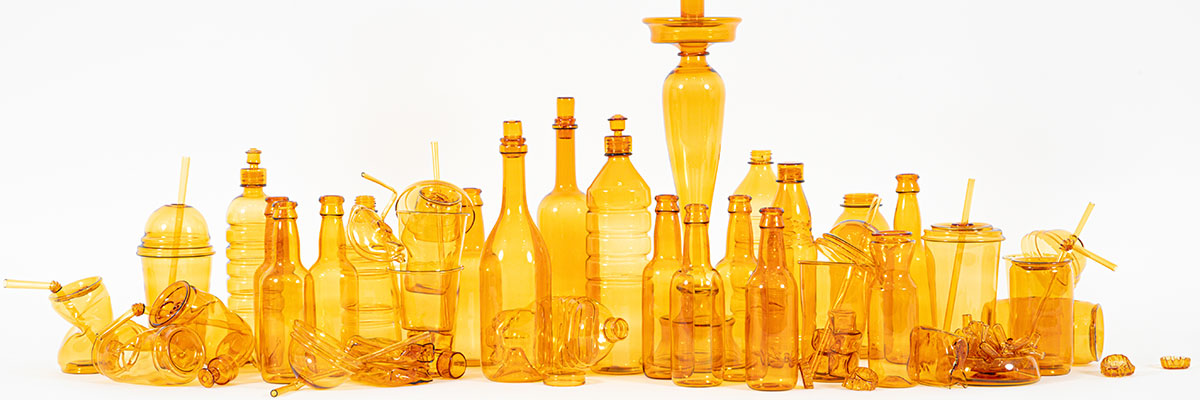
Fundamentals of Glass Flameworking – 60269
F 10am-12:50pm & 2-4:50pm | Prof Matt Eskuche & Prof SaraBeth Post Eskuche
Melt, stretch, bend, blow. This introductory course explores the tools and processes to pursue personal expression and aesthetic with glass as the medium. Technical instruction covers manipulation of solid glass, blowing hollow tube, and color application. In this hands-on studio course students have ample practice time, assignments, and presentation with critique. The goal of this course is to utilize fundamental techniques of glassworking with the torch to create sculpture and objects. Lectures and dialogue will incorporate conversation about historical and contemporary glass art.
CRITICAL STUDIES
Critical studies electives are open to sophomore, junior, and senior BFA and BXA-Art students.

The Precarious Body in Contemporary Art – 60360
T 7-9:20pm | Prof Cash Ragona
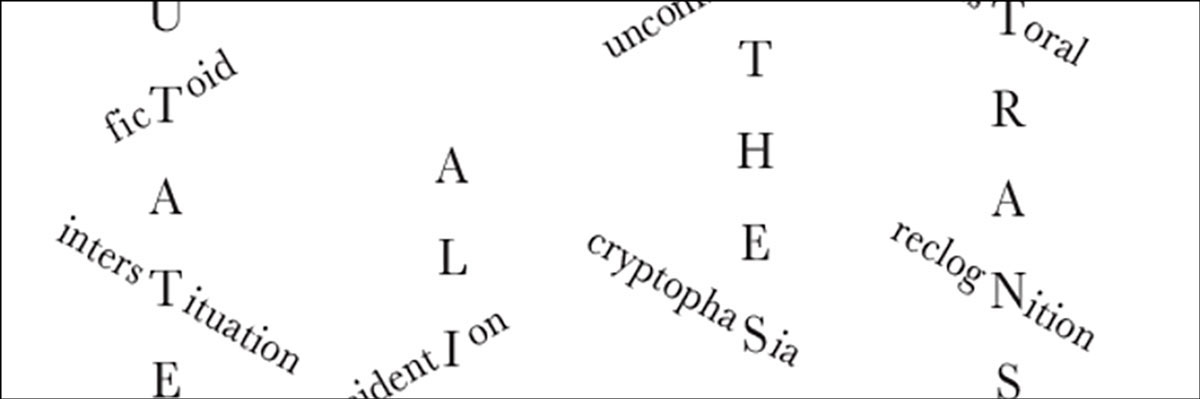
This seminar will examine images and projects in contemporary art that deal with debates concerning ideas that had already begun brewing in the 1980s and early 90s, that addressed issues of institutional violence circulating under the guise of “discourse,” or that delved into ideas of difference and alterity through the notion of “abjection.” More recently, the idea of precarity has taken central stage as a way of thinking through, and taking action against, the kinds of structural oppression that deems certain groups of people vulnerable to repeated forms of aggression, poverty, illness, and displacement without protection. We will also explore a seemingly opposite corollary: the SUPERCLEAN—a trope that exploits the capacity of certain technologies to present hygienic forms of representational violence at the level of the digitally manipulated image. We will read the work of Tung-Hui Hu, Zuzana Kovar, Judith Butler, Claudia Rankine, Pamela Lee, Frantz Fanon, Sarah Ahmed and study the projects generated by artists, such as Lygia Clark, Hélio Oiticica, Superflex, Anicka Yi, Mika Rottenberg, Carolyn Lazard, Katherine Behar, Trisha Baga, Hito Steyerl, among others, as a way of interrogating these State mandated structures of material and psychic repression. A major part of the course will examine how contemporary artists responded, acted, and produced—addressing the precarious body as the site for political and aesthetic resistance.
Image: Máscara Abismo (Abyss Mask) (1969) by Lygia Clark
Art Writer: Writing as Object, Criticism, Experiment – 60362
W 7-9:50pm | Prof Cash Ragona
ART WRITER will strive to bring together the intersecting discourses of artists’ use of writing as an object, exploring experiments by artists, poets, novelists and critics who use language and theory as invention. The idea of experiment implied here emphasizes the urgency that art writing moves beyond its own history, beyond the received understanding of its proper practices in order to propose new modes of critical reflection. The form and material force of language will be explored through the conceptual and critical work of Harryette Mullen, Fatimah Asghar, Jamaica Kincaid, Ta-Nehisi Coates, Frances Stark, Kathy Acker, Samuel Delaney, Trisha Low, Glenn Ligon, Brian Kim Stefans, Pajtim Statovci, Tan Lin, Adam Pendleton, just to name a few. International projects of Art and Language, Fluxus, the Dark Room Collective, Los Contemporáneos, as well as more recent iterations will be investigated/researched. This is a writing intensive seminar with experimentation at its core. Members will workshop their writing: revise, rethink, perform, and publish.
Image: Go By /In Lieu of Solutions (2023) by Violet Spurlock
ADVANCED STUDIOS
Enrollment in advanced studios is prioritized for juniors and seniors in the BFA and BXA-Art programs. Sophomore BFA and BXA-Art students can enroll with faculty permission if and when space is available.

Critique Seminar – 60403
T/R 10am-12:50pm | Prof Jon Rubin
Advanced Critique Seminar is comprised of group discussions that analyze the conceptual and aesthetic frameworks that surround each student’s individual studio practice. The course supports independent inquiry, mature studio practice and both an in-depth critical reading of visual art and an increased comfort in the articulation of ideas and processes. Each student can expect two or more hour-long critiques throughout the semester, paired with ample time for individual studio work. These course discussions will also be informed by the Visiting Artist Lecture series and concepts and concerns carried from studio and academic seminar classes.

Documentary Storytelling – 60416
T/R 7-9:50pm | Prof Rich Pell
In this course you will be learning strategies of audio and visual storytelling in the service of documenting and sharing the astounding world that surrounds us. You will apply these strategies to produce advanced works of your own. Video production techniques will be covered, although student work will be open to any media and experimental approaches will be encouraged. The course will examine documentary works that utilize film, video, audio, photography, spoken word and object-based practice to convey complicated narratives. “Documentary” does imply non-fiction, although it is not necessarily about “objectivity” either. These works exist in the sticky, often uncomfortable, yet fascinating, relationship that human experience has to reality.
Advanced Game Studio – 60419
M/W 7-9:50pm | Faculty to be announced
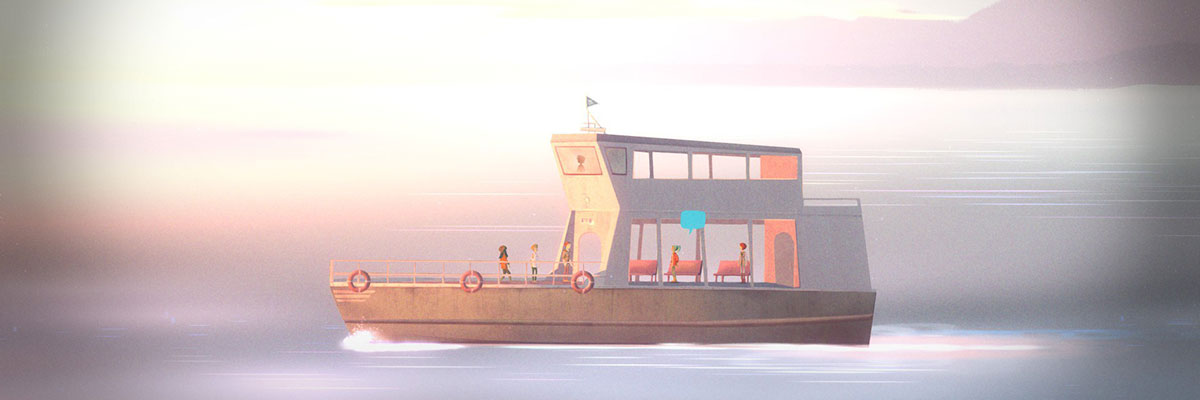
Advanced Game Studio is an intensive, project-driven course centered on the development of a sustained, individual game work. Students pursue self-directed projects that integrate experimental design, critical inquiry, and technical execution, treating game-making as a mature artistic practice. The course supports advanced exploration of systems, interaction, narrative, aesthetics, and player experience, with attention to how games operate within broader cultural, political, and historical contexts. Through iterative development, critique, and research-informed discussion, students refine both their design processes and conceptual frameworks. Emphasis is placed on articulating intent, responding to feedback, and situating work within contemporary game, art, and media discourse. By the end of the course, students will have produced a substantial playable project and a critical articulation of its formal, theoretical, and cultural stakes.

Advanced Ceramics – 60434
T/R 7-9:50pm | Prof Sarah Tancred
In this course, students will explore clay as a medium for personal expression. They will enhance their technical skills using materials and processes aligned with their concepts, while developing aesthetic sensibilities through historic and contemporary references in ceramics and other arts. In addition to concept-based projects, students will engage in technical projects to broaden their experience with clay, including mold-making, slip-casting, glaze formulation, and advanced ceramic surface techniques. Students may execute conceptual projects using ceramic techniques of their choice. Students will be provided with technical demonstrations, lectures with artist examples, and studio work time. Throughout this course, students will develop and analyze ideas through individual research, creation of a body of work, and group critiques.
Advanced CNC – 60436
T/R 2-4:50pm | Prof Britt Ransom
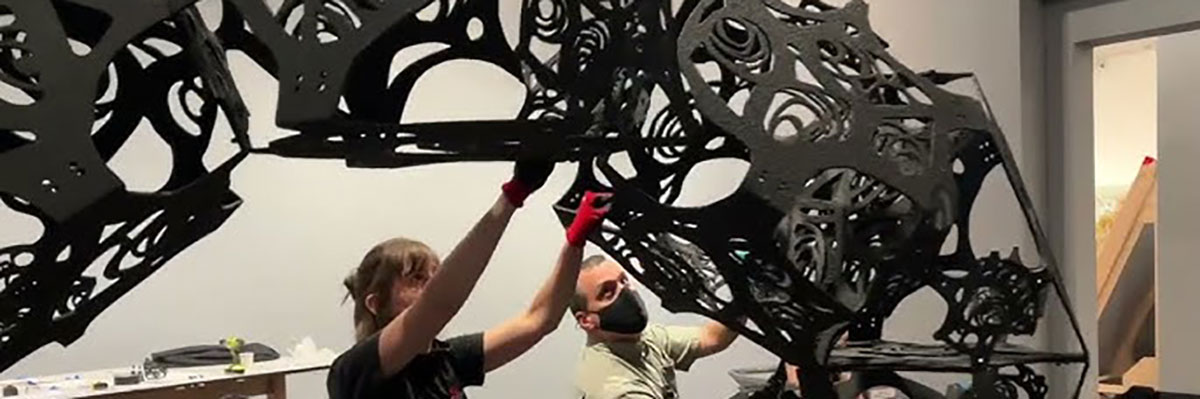
Advanced CNC is an upper-level studio course that explores the applied use of computer-controlled cutting and routing processes within sculpture and installation-based studio practices. Students will work with a range of CNC tools, including a 3-axis CNC motion machine, a Shaper Origin handheld system, and a small-format CNC mill (Nomad 883), to design, prototype, and fabricate precise physical objects from digital files. In this course, students will learn to use Rhino and Adobe Illustrator to generate and prepare files for CNC output, including strategies for vector drawing, 3D modeling, toolpath preparation, and material setup. Emphasis is placed on understanding the technical workflow from digital design to physical fabrication and safe use of equipment. The course is structured around three guided projects with defined prompts. These assignments are designed to build sequentially, introducing increasingly complex machining strategies while requiring students to apply CNC processes to spatial, structural, and material problems. This is not an open-ended independent studio; projects are skill-based and focused on developing technical fluency through hands-on production. As a class, students will explore the iterative nature of CNC fabrication, including testing, revision, and problem-solving through multiple outputs. Experimentation will be emphasized through layering, assembly, and combining machine-based processes with hand fabrication methods. Students will also engage with contemporary examples of artists and designers using CNC tools as part of their regular studio practice. By the end of the semester, students will have developed a strong working knowledge of CNC workflows and the ability to integrate digital machining into a broader sculptural practice. Prior digital fabrication class experience is strongly preferred.
Advanced Sculpture: Expanded Projects – 60443
T/R 10am-12:50pm | Prof Rachael Starbuck
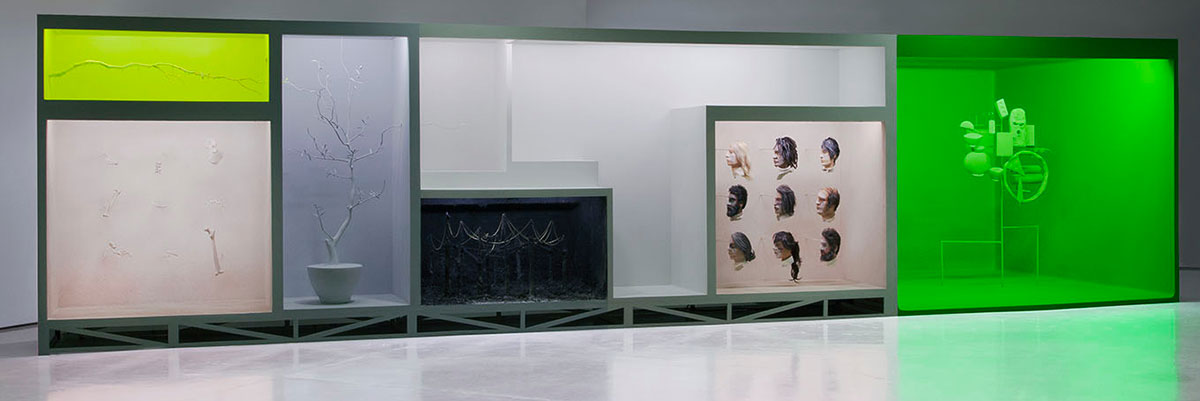
Advanced Sculpture Expanded Projects is a project-based studio course in which students conceive, plan, and produce a body of work using sculpture, installation, and related three-dimensional processes. Emphasis is placed on self-directed project development, material decision-making, structural problem-solving, and contextual planning. Through in-class work time, technical demos, individual feedback, and group critiques, students will further develop their ability to move from proposal to fully realized projects ready to be exhibited in a public, professional context.

Advanced Color – 60452
M/W 2-4:50pm | Prof Clayton Merrell
In this advanced course, students will learn to employ a wide range of color theories and color systems through hands-on exercises and studies. Studies will be done in paint, collage and/or digital media. These exercises will be aimed at mastering a variety of color approaches that will be applicable to each student’s own artistic practice. Students will develop, based on their own interests, a cohesive body of work in which to practice and expand on the skills learned through the directed exercises. Studio work will be augmented by lectures, demonstrations, critiques, readings and critical discussion of writings about color.
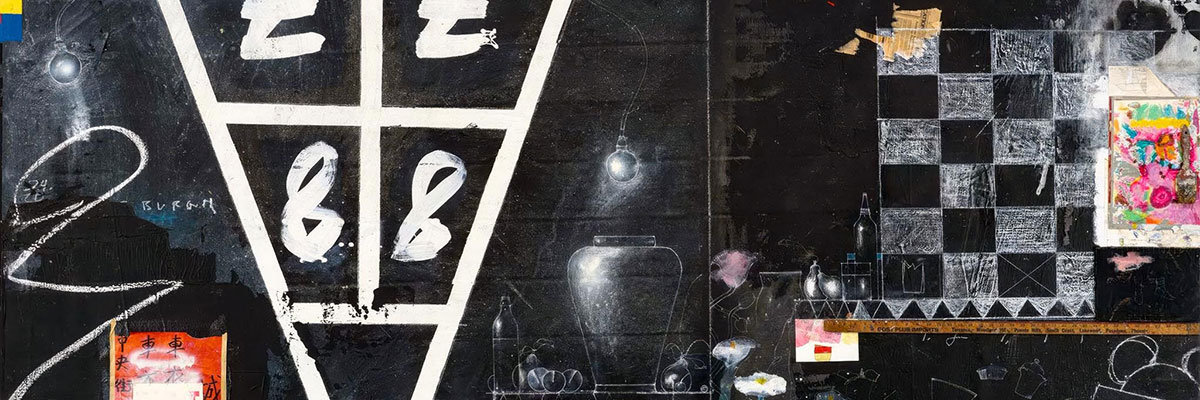
Open Painting – 60453
T/R 2-4:50pm | Prof Sharmistha Ray
This course is designed to help promote a painter’s development conceptually and technically. It encourages students to evolve their own ideas through a proposed series of carefully conceived paintings. Through research and studio experimentation, students may explore issues of scale, surface, materiality, process, and storytelling with the goal of discovering a combination that exemplifies their intended meaning. Class critiques, peer-to-peer studio visits, and quality studio time will enrich each painter’s conceptual and technical base and promote creative growth. Enthusiasm and varied perspectives will be applauded.
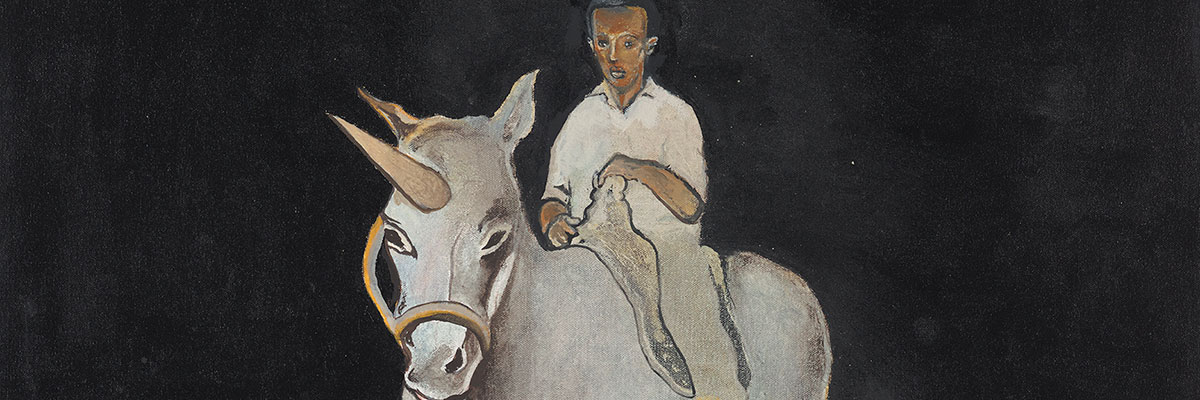
Advanced Painting: Reverence and Representation – 60457
M/W 7-9:50pm | Prof Ranee Henderson
Painting’s role in deciding prominence has historically been coated in biased power positioning that promotes only a select few. This advanced course will challenge students to scrutinize what they represent and revere through indelible materials. Throughout the semester, they will work through a proposed series of carefully conceived paintings that consider their own idealized notions of value. The question of “who or what deserves to be labored over, visible, and elevated” will be dissected through research, group critiques, and one-on-one conversations. Experimentation with various materials will be encouraged with the goal of finding the media that exemplifies their intended meaning. Multiple perspectives and open minds will be applauded.
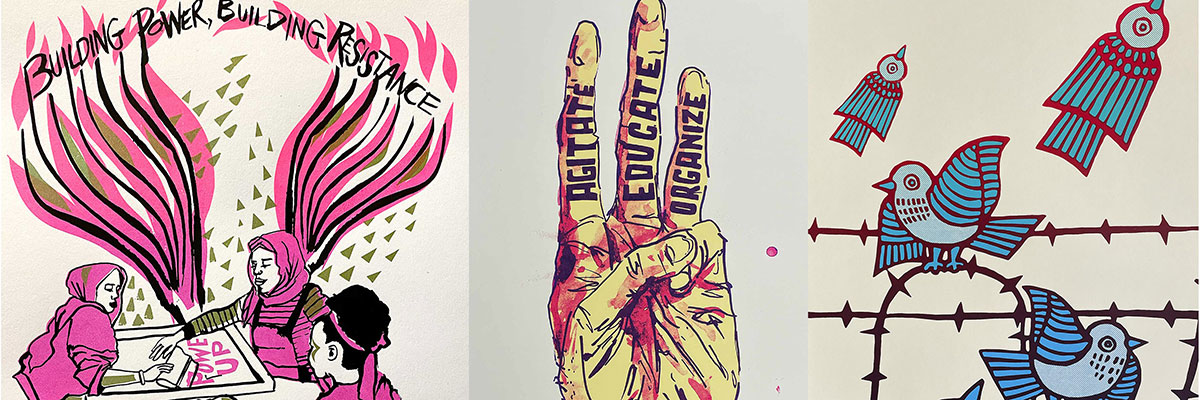
Activist Print – 60459
M/W 10am-12:50pm | Prof Mary Tremonte
From 1968 Paris’ Atelier Popular to 2011’s Occupy Movement, from Corita Kent to Amos Kennedy Jr. to Justseeds Artists’ Cooperative, printmaking has a rich historical and contemporary role in social movements. In this advanced studio course, we will explore many examples of print media utilized in protest and organizing for social change, creating compelling graphics for dissemination using screenprinting, risograph, and relief. Students will learn about collaborating as artists with organizations and grassroots initiatives to visualize their messaging. We will take print from the studio to the public(s) in exploring techniques such as wheatpaste, zines, pamphlets, and portfolios. We will integrate printing onto fabric for banners, bandanas, patches and beyond. Students will come away from this course with a greater proficiency in print media and a set of tools for integrating their messaging and ideas for the world they want to see into their work. Intro to Print Media is a strongly suggested prerequisite for this course, but students with other experience in printmaking or design for social change are welcome.
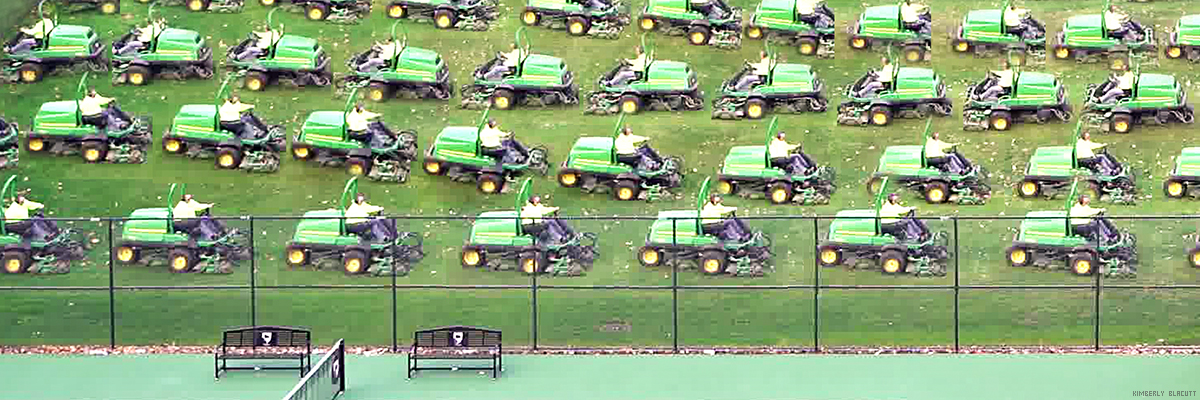
Experimental Capture – 60461
T/R 2-4:50pm | Prof Golan Levin & Prof Nica Ross
Experimental Capture is an interdisciplinary research studio in expanded media practices that arise from using devices and algorithms to “capture” the world. We will explore experimental workflows, ranging from no-tech and low-tech to emerging and state-of-the-art techniques, in order to capture, model, and share new representations of people, objects, places and events. Through self-directed research projects, students will develop systems to capture a wide variety of phenomena, and creatively share the media they collect. We will cover a wide range of techniques and artistic practices that capture phenomena beyond the limits of human perception, such as immersive, panoramic, high-speed, multiscopic, and multispectral cameras; depth sensors and 3D scanners; motion capture systems for gestures of the face, body, hand, and eye; computer vision and machine learning techniques for detection, tracking, recognition and classification; and other unusual, forgotten, and nascent technologies for transducing the unseen, ephemeral, and otherwise undetectable.
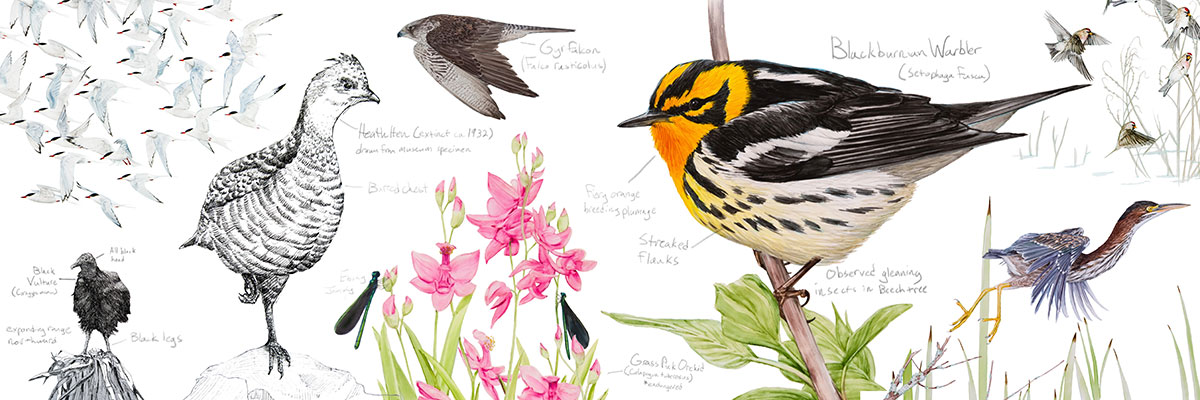
Advanced Painting: Field Notebook: Watercolor & Nature – 60469
T/R 11am-1:50pm | Prof John Guy Petruzzi
This course introduces approaches to field journaling and nature illustration using watercolor painting and drawing practices. Students detail the natural world via projects involving observational field sketching, classical watercolor techniques, and research-based processes. A field notebook is developed throughout the semester, documenting personal experiences in nature, as well as class trips to local habitats and resources. Larger scale studio projects may engage with broader ecological issues. Classes consist of on-location field work, in-class work sessions, demonstrations, visual presentations, individual consultations, readings, and group critiques. Throughout the course, students advance their technical illustration skills while deepening their connection to nature and discovering unique creative strategies.

Critical Craft: Art, Community, and Intention – 60494
T/R 10am-12:50pm | Prof Alisha B. Wormsley
This course approaches craft as a site of intention, necessity, and collective care, and as a tool for critical discourse. We will examine how craft has been used to express need, support activism, and give form to voices often excluded from dominant cultural narratives. Centering art as social practice, the course positions making as a political act—one that can redistribute resources, strengthen community, and function as a strategy for survival. Students will learn to work in context, using social practice to deepen and elevate craft by embedding meaning, responsibility, and relationship into material processes. Through collaboration, site visits, and partnerships with Pittsburgh-based makers and organizations, the course explores craft not only as an object, but as a process and a conversation that elevates the meaning and impact of exhibited work.
CFA PHOTOGRAPHY
CFA Photography courses are available to students of all disciplines across CMU’s campus.

Black and White Photography II – 60241
M/W 2-4:50pm | Prof Jamie Gruzska
Black and White Photography II continues developing your technical skills in analog photography by introducing medium and large format cameras and prints. Large format view cameras remain the state of the art in control and quality in both film and digital photography. These cameras as well as unusual panoramic and pinhole cameras will be supplied. This course emphasizes aesthetic development and personal artistic growth through individual tutorials and group critiques, and will help to build professional level photography skills. Additional topics include digital printing and negative scanning, advanced monotone printing methods, and a focus on exhibition and folio presentation. Students are responsible for the cost of photo paper and film, and a lab fee is charged for the course.
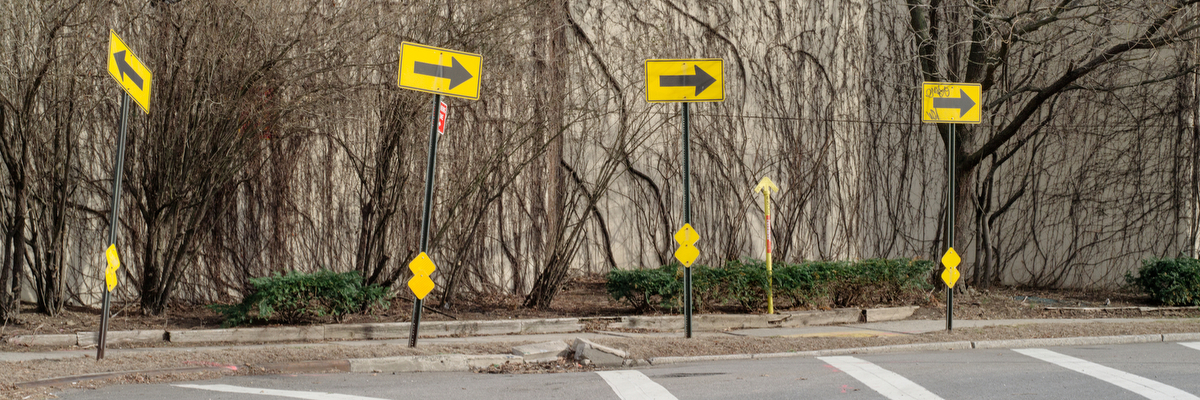
Intermediate Digital Photography – 60281
T/R 2pm-4:50pm | Prof Ross Mantle
Formed around a series of workshops, this course will explore digital and analog image-making processes, using both old and new methodologies, at times combined, yielding a unique experience. Basic techniques will be reviewed but the course quickly progresses to subjects of image and exposure optimization and workflow refinement in post-production. Topics that will be covered include trends in contemporary photography, professional practices, project development, narrative and serial work, and print presentation. Students will be expected to conceive and develop their own self-directed projects throughout the semester. Using newly found skills, students will produce complex, fine art imagery anchored in personal aesthetics. Basic Photoshop experience and/or completion of Digital Photography I (60/62-142) is recommended. A lab fee is charged for this course.
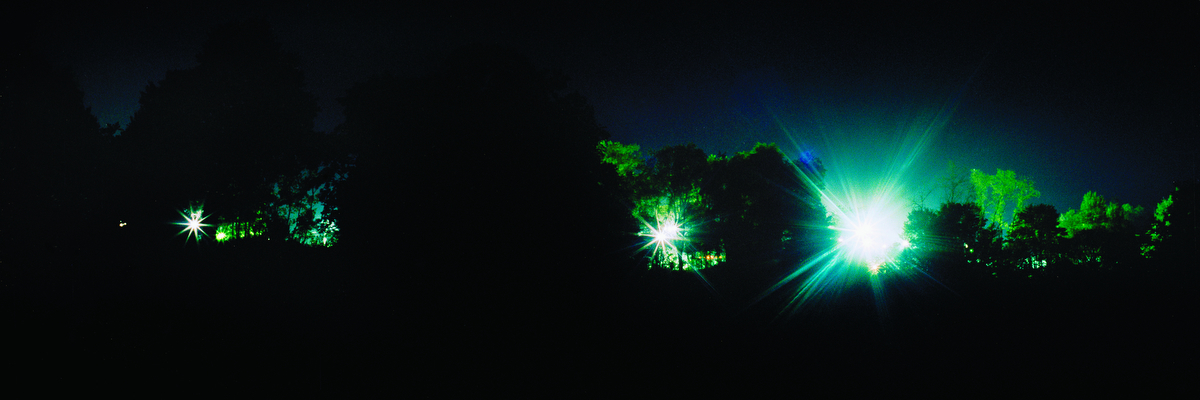
Photography in the Dark – 60166
T/R 7-9:50pm | Prof Ross Mantle
This evening course is formed around a series of short projects and exercises designed to explore the processes, techniques, and concepts of photographing in the dark. Students will primarily be working at night to gain experience using both natural and artificial lighting techniques in low light. Topics and techniques that will be covered include but are not limited to post-production techniques, approaches to file-preparation and digital printing, artificial lighting experimentation, portable strobe lighting, digital and analog processes. Regular lectures and demos will provide technical starting points and contextual framework for students to complete assignments. There are no pre-requisites for this course but introductory level camera knowledge and/or completion of Digital Photography I (60/62-142) is recommended. A lab fee is charged for this course.
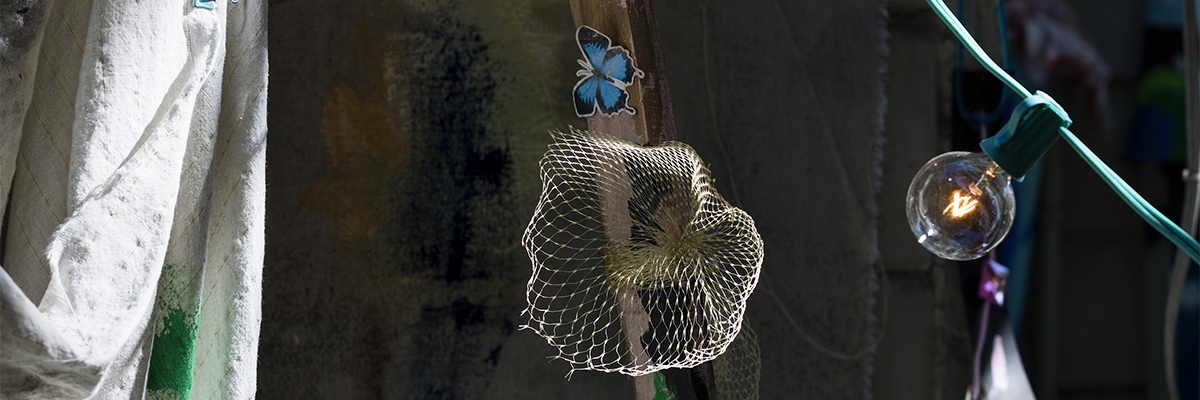
Staged Photography – 60282
F 10am-12:50pm & 2-4:50pm | Prof Bryan Martello
This studio course introduces students to staged photographic practices through technical instruction, conceptual frameworks, and applied methods. The hands-on format provides experience with staging scenes, studio lighting, and tethered shooting. Students will engage with these topics through weekly presentations, discussions, assignments, workshops, and critiques. The course examines artists who critically engage with photography through constructed imagery, while encouraging experimental approaches and creative risk-taking. A lab fee is charged for this course.
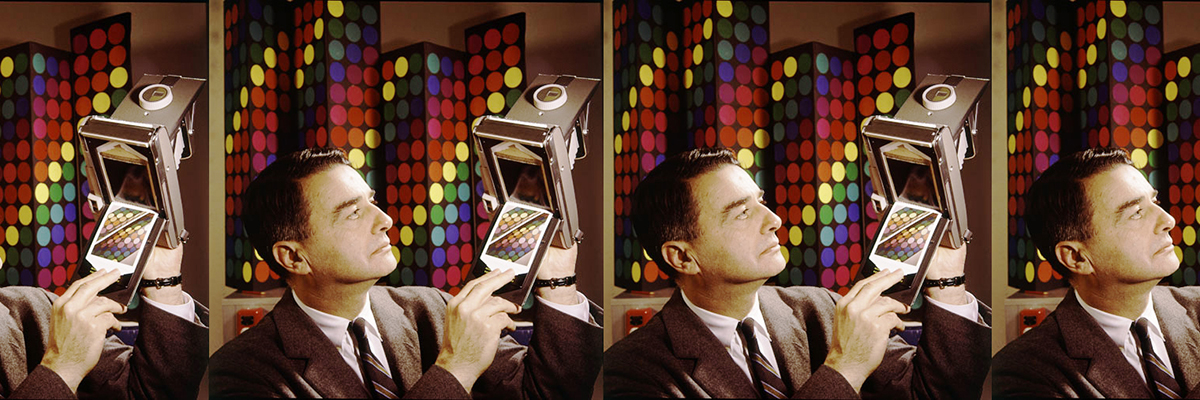
Instant Photography: The Unrepeatable Image – 60167 (A1 Mini)
M/W 10am-12:50pm | Prof Aaron Blum
This course will explore Instant photographic techniques and concepts to extend the boundaries of the photographic image. Through the course we will explore contemporary instant image making using Polaroid, Instax, and darkroom techniques. Subjects covered are photography techniques with instant cameras, understanding the context of unique one-of-a-kind images, instant photographic emulsions, alternative uses to Polaroid photography, and concepts and theory of the still image. As we move through the course, we will also explore the theory and history of photography, particularly from 1950 moving forward, and its many ways to create an image that are not standard in today’s imaging practices. A diverse range of contemporary photographic work will be presented to increase students’ visual awareness and understanding of the possibilities inherent in the medium. Through work/review sessions, students will be encouraged to evaluate their own ideas and judgments in pursuit of a well-communicated image. A lab fee is charged for this course.
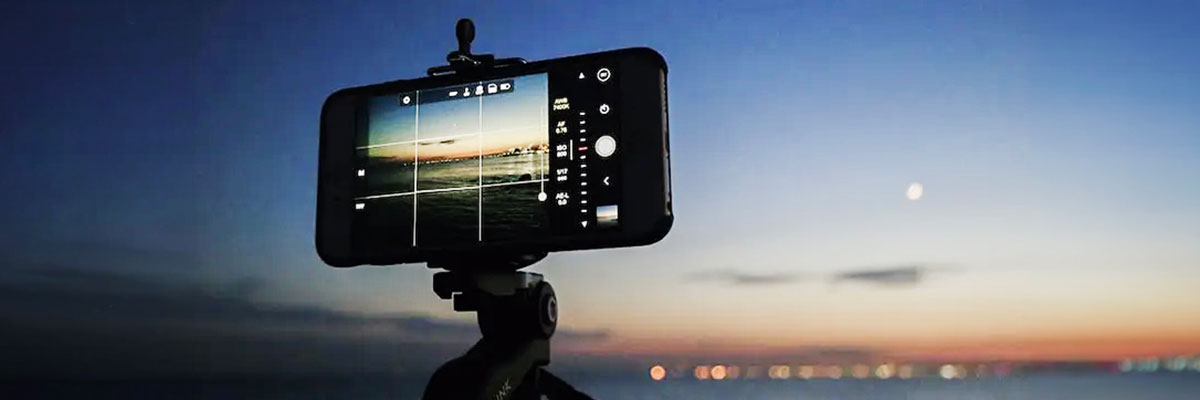
The Infinite Roll: Cell Phone Photography (A2 Mini) – 60168
M/W 10am-12:50pm | Prof Aaron Blum
Cell phones are everywhere, and photography is more accessible than ever. This course will explore cell phone photography techniques and concepts ranging from how to make the best exposure and composition to more complex subjects such as ideal and ethical uses of cell phones in photography. A major theme for the course is the investigation of how moments happen quickly and capturing them as a catalyst for good artwork. This course not only covers how best to use this tool to its optimum effect, but also how to use it as a means of expression and artistic outlet. Subjects include introductory photographic techniques (exposure, composition, form), understanding the context of photographing in a world with endless images, editing with software on phone vs. computer, and concepts of the still image. A diverse range of contemporary photographic work will be presented to increase students’ visual awareness and understanding of the possibilities inherent in the medium. Through work/review sessions, students will be encouraged to evaluate their own ideas and judgments in pursuit of a well-communicated image. A lab fee is charged for this course.
Art Electives for Non-Majors
These courses to make and learn about art are open to all students across campus. No previous art experience is required or expected!

Cultural History of the Visual Arts – 60105
M 7-9:20pm (Section A) & W 7-9:20pm (Section B) | Prof Maria Elena Versari
Have you ever felt that you liked an artwork but couldn’t explain why? Do you have questions about art that you were always afraid to ask? This course is conceived to give students the tools to feel at home when visiting a museum and talk about art in social, business and academic settings. It is organized over two semesters, but students can take only one of the two courses. Cultural History of the Visual Arts I (in the fall) covers the period from Antiquity to the end of the 1700s and features masterpieces and lesser known works in Western and Non-Western art, organized chronologically and by theme. Some of the topics we will study include the controversy surrounding Leonardo’s and Michelangelo’s works, the role of censorship in the arts, the development of perspective experiments and visual theories from Antiquity onward, the concept of landscape and the status of the artist in the Ming dynasty, the impact of colonialism and post-colonial identity in South American Art, the rediscovery of Pompeii and Herculaneum and the Egyptian craze in the 1800s, the world of Opera and ballet, and the Impressionists’ ideas of what an artwork should be. The course also includes museum visits that will be organized taking in consideration the students’ schedule. No prerequisite required and open to students from all disciplines.
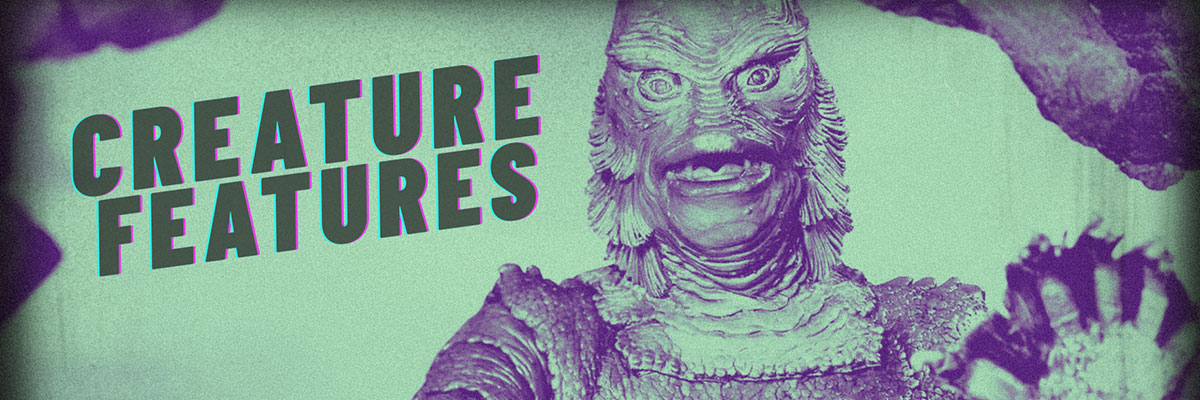
Creature Features – 60109
T 7-9:50pm | Prof Liz Kurtzman
As long as humans have existed, they have told stories of monsters: from the beasts that hunted our ancestors in the dark of the night to the creatures that lurk under the beds of children, troubling their dreams. These inhuman creations have personified our fears of nature, of difference, and of our own aberrant desires. In this course, we will watch films with murderous sharks, man-made horrors, and creatures from beyond the stars to better understand what makes a monster. To help us articulate our own relationship to monstrosity, we will read scholarship from philosophers, filmmakers, and authors who ask important questions about our continued obsession with these creatures. Are monsters defined by their physical forms? Their intentions? By audiences’ anxieties? Or do they lurk within all of us?
Comics – 60122
T/R 7-9:50pm | Prof John Peña
In this course, students will learn practical and technical skills to communicate their ideas more effectively through comics and sequential art. The first half of the semester will focus on defining the language of comics, and, through a series of technical and exploratory exercises, students will learn the basic tools needed to improve/refine their visual storytelling skills. Specific challenges, such as silent-panel storytelling and modular panel layouts, will be introduced to spark curiosity and encourage students to reexamine their assumptions about the medium. In the second half of the term, students will conceptualize and execute a fully realized four-page comic or an excerpt from a larger story. In addition to creating new comics, we will explore the origins of the modern graphic novel through comic readings. Students will be exposed to both graphic and non-graphic artists whose works have challenged and redefined the genre. We will explore these artists to understand how our work draws on a rich lineage. Students will also be encouraged to think beyond the commonly accepted notions of what constitutes a comic and will ultimately be challenged to question how their perspective and voice best align with the medium.
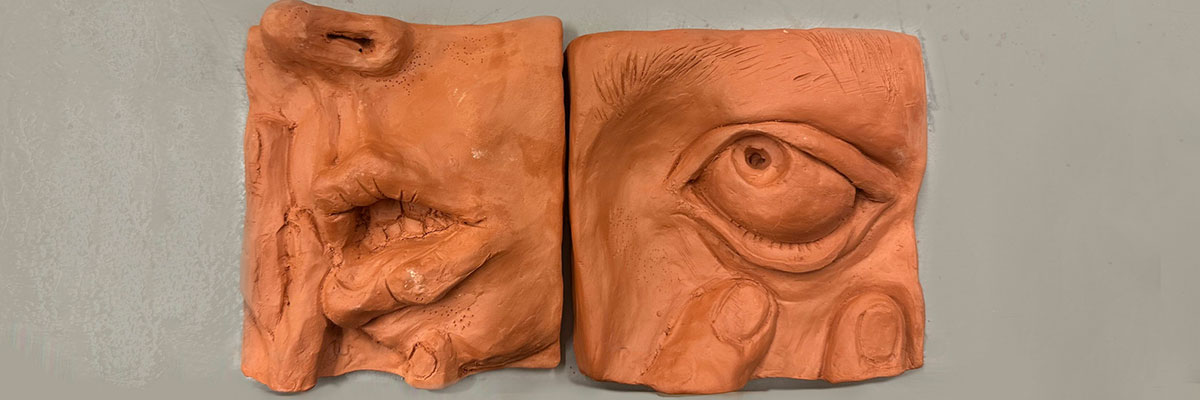
Ceramics – 60136
M/W 10am-12:50pm (Section A) & 2-4:50pm (Section B) | Prof Yoko Sekino-Bové
An introduction to three-dimensional form in clay, with access to our ceramics facility and kiln firings. Skills covered include hand building, sketching and modeling for larger fireable clay forms, throwing on the wheel, and basic glazing techniques. Discussions will include contemporary artists working in ceramics, as well as historical examples, and various approaches and techniques for working in clay.

Drawing – 60157
M/W 11am-1:50pm, T/R 2-4:50pm & M/W 7-9:50pm | Prof Julia Betts & Prof Alli Lemon & Prof London Williams
Drawing is the foundation of all the visual arts. In this class, you’ll learn perceptual, analytical, and structural drawing skills that allow you to both more accurately and more expressively create an image on paper. You’ll try various methods of creating pictorial and illusionistic space; recording the external world of light and form; and making visible the internal world of the heart, the mind, the soul.