

Please find below a list of all intermediate, advanced and critical studies art electives for Spring 2027. For additional information, refer to Student Information Online (SIO).
INTERMEDIATE STUDIOS
Enrollment in intermediate studios is prioritized for sophomores in the BFA and BXA-Art programs. BFA and BXA-Art juniors and seniors can enroll in these courses if space is available and use them to fulfill advanced studio requirements.
Intermediate Game Studio: Digital Games, Mixed Media – 60213
M/W 7-9:50pm | Prof Nick Crockett
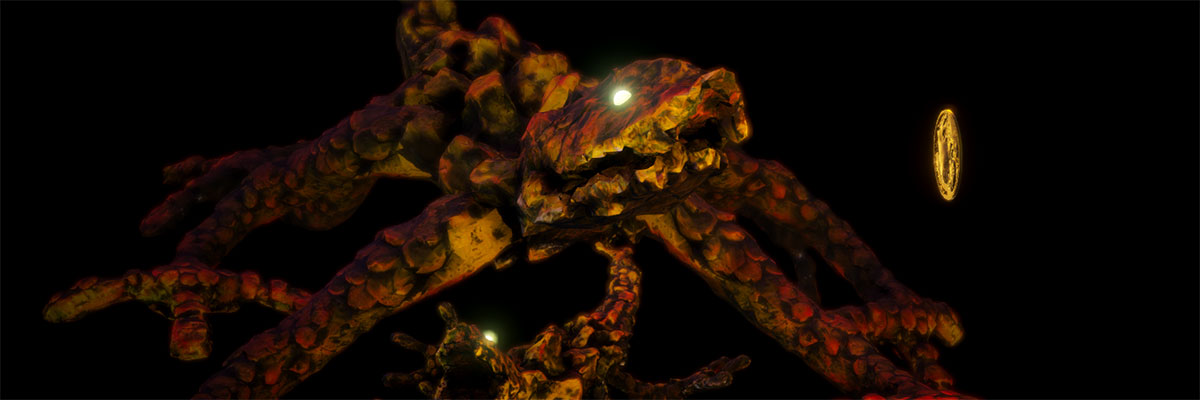
Intermediate Game Studio: Digital Games, Mixed Media is a studio-based course exploring the intersections of physical and digital media in game production. Students investigate how tactile, analog, and material processes—photogrammetry and 3D capture, painting and drawing, collage, video, and improvised texture-making—can be translated into and transformed by the space of a digital game. Emphasis is placed on the friction and possibility that arise when handmade and found materials meet procedural systems. In a series of game jam exercises, students scan, photograph, cut, and reassemble physical materials, bringing them into dialogue with 3D rendering techniques and game mechanics. By the end of the semester, students will have produced a series of experimental playable works that incorporate the expressive, improvisational, and indexical qualities of physical media.
Intermediate Studio: Real-Time Animation (Unreal Engine) – 60218
T/R 2-4:50pm | Prof Sujin Kim
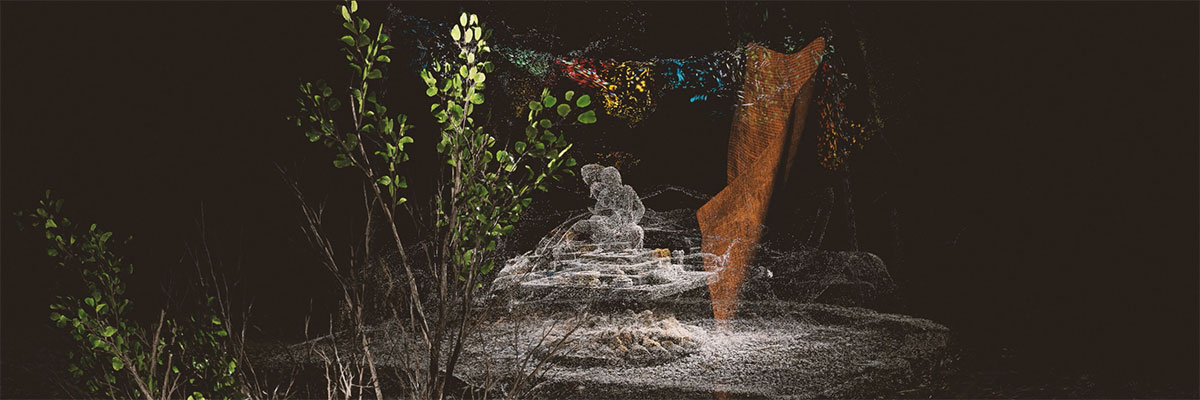
This course introduces Unreal Engine as a creative platform for real-time animation, cinematic storytelling, and interactive media. Students will develop technical and conceptual skills for creating animated experiences within real-time 3D environments, exploring approaches that extend animation beyond conventional linear and pre-rendered workflows. Students will learn fundamental Unreal Engine workflows, including project organization, asset management, environment construction, materials, lighting, cameras, and real-time rendering. Building upon these foundations, students will use Sequencer, character animation, Control Rig, animation retargeting, and motion capture to create cinematic sequences. The course will also introduce procedural approaches to environment and world building, as well as Blueprint visual scripting for designing responsive and interactive experiences. Through technical exercises and creative projects, students will explore how real-time technologies can expand the possibilities of contemporary animation and digital storytelling. This course is intended for students who have completed Intermediate Studio: 3D Animation or have equivalent foundational experience in 3D modeling, texturing, animation, and rendering.
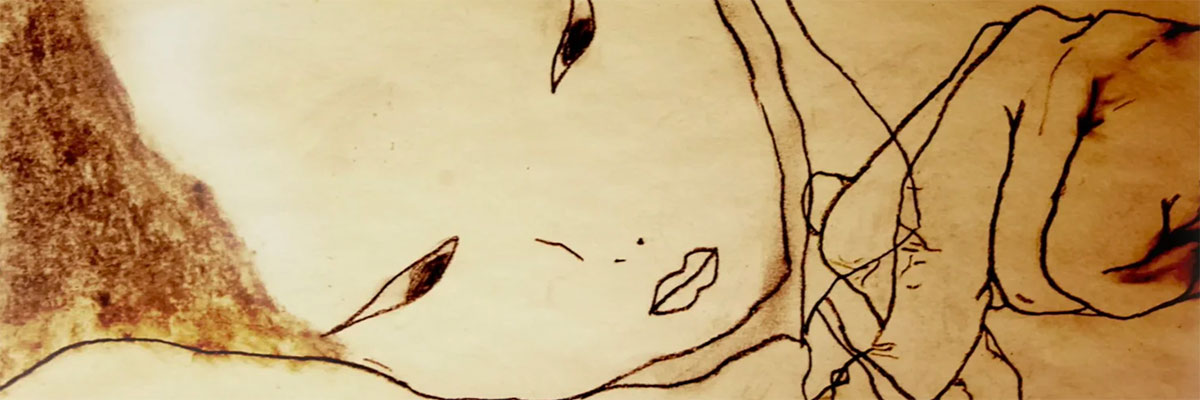
Hand-Drawn Animation: Bodies in Motion – 60221
M/W 10am-12:50pm | Prof Jamie Wolfe
This studio course explores frame-by-frame hand-drawn animation through an investigation of the moving figure. Students will deepen their understanding of foundational animation principles through physical and digital frame-by-frame animation techniques, while experimenting with mark-making, material, and process. Assignments and exercises examine how timing, gesture, tools, and material can be manipulated to shape meaning. Drawing from direct observation and in-class embodiment experiments, students will investigate the representation and abstraction of the animated body as both subject and conceptual tool. Historical and contemporary screenings of experimental animation, alongside readings in animation theory, introduce artists who question and push conventional ideas of character, movement, and representation.
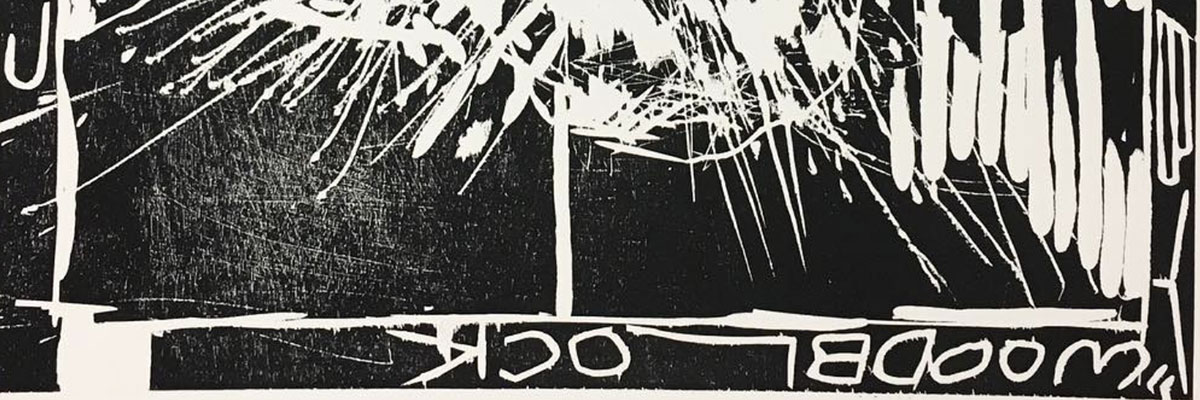
Intermediate Relief Printmaking – 60229
F 10am-12:50pm & 2-4:50pm | Prof Imin Yeh
This course is a comprehensive and intensive study of relief printmaking. With an over thousand year history, relief printmaking is one of the earliest methods in which humans were able to record, communicate, and distribute their history, stories and ideas for posterity. This powerfully expressive medium has been and continues to be a visual voice for political movements across various cultures. The course introduces students to various materials (linoleum, wood, movable type), various hand-carved techniques (single color, multiblock, reductive) and also the introduction of various, new technologies (laser etched, engraved plates, digitally rendered photopolymer plates). Primarily focused on work on paper, students will also have the opportunity to consider the sculptural, textile, participatory, bookarts, and time-based applications of the medium within contemporary practices.
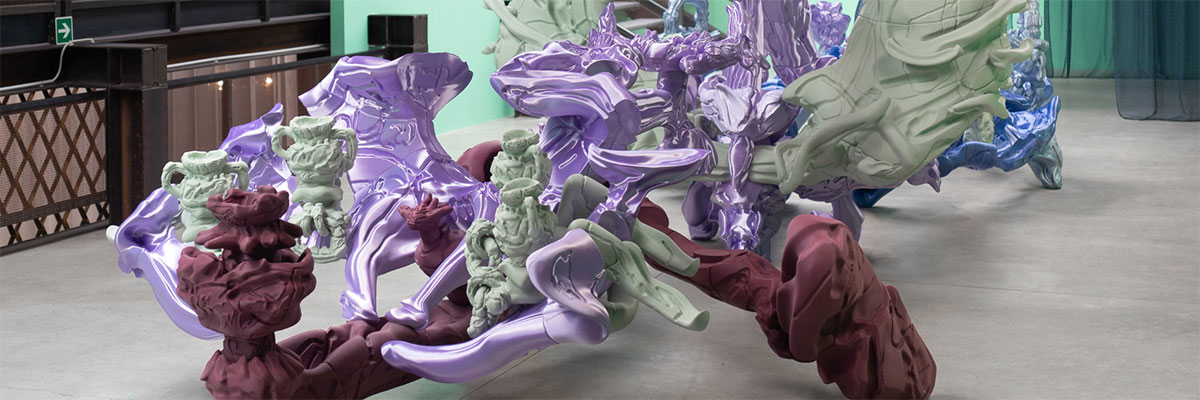
Intermediate Digital Fabrication – 60230
T/R 8am-10:50am | Prof Britt Ransom
Digital fabrication is an intermediate studio course that explores the applied use of 3D scanning, 3D modeling, and CAD/CAM processes that are used in sculpture and installation based studio practices. In this class students will explore 3D scanning, 3D modeling, and various digital drafting softwares to generate files and objects for physical output using digital fabrication tools. Students will be able to produce computer generated objects and physically realize them through hands-on experience and experimentation with 3D printing, laser cutting/engraving, and CNC machining. As a class, we explore the iterative nature of digital fabrication techniques and processes while developing projects and concepts that respond to the nature of introducing these machines into a studio practice. Experimentation will be emphasized through the creation of multiples, techniques for assembly, and building beyond the build footprint of the machine. This course will focus on technical skill based projects that are linked to studio based ideas and concepts that build on one another throughout the semester. Students will utilize additive and subtractive processes to develop a base knowledge for fabrication with these tools with the aim to move beyond and push their initial output possibilities. As a class we will discuss the history of artists using and engaging with these tools as a regular part of their creative processes. This course is open to students at all skill levels and no previous fabrication experience is necessary.
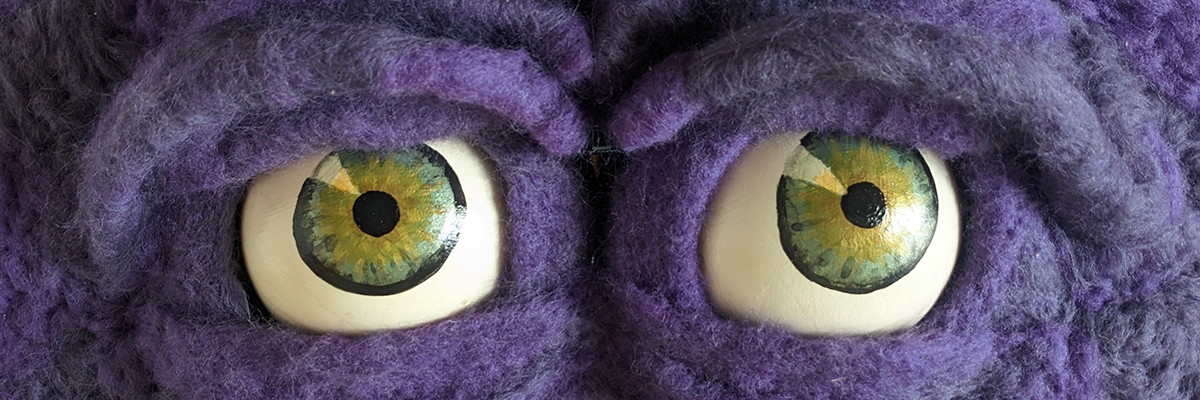
Soft Sculpture – 60233
M/W 2-4:50pm | Prof Isla Hansen
Soft Sculpture is an intermediate studio course that explores the concepts, fabrication techniques, and history behind the creation of sculptural works of art made with fabric, fibers, and soft materials. In this class, we will discuss and demonstrate intermediate sewing and seaming techniques; pattern-making and pattern-following techniques for shapes, experimental forms, and garments; needle-felting and wet felting for wool; loop and cut pile tufting; inkjet printing on fabric; and some basics of weaving, and / or knitting / crochet, as well as embroidery, all with special attention to combining both hand-making and digital techniques when applicable. Projects in this class may include, but not be limited to: fabric forms with armatures; inflatables; stuffed forms; puppets and kinetic soft sculpture; wearables / garments / costumes; woven, tufted, or embroidered tapestries and quilts; and a variety of other experimental soft sculptures. As a class, we will discuss and share relevant art historical and contemporary examples of artists and artworks making use of fabric and fibers, as well as relevant texts and theory. Concepts explored as a group include the transformation of 2d pattern to 3D form; relationship of wearable works to the body and performance; the history of fabric and fiber craft in relationship to gender studies and underrecognized craftspeople; and ideas surrounding transformation and the relationship between craft and technology.
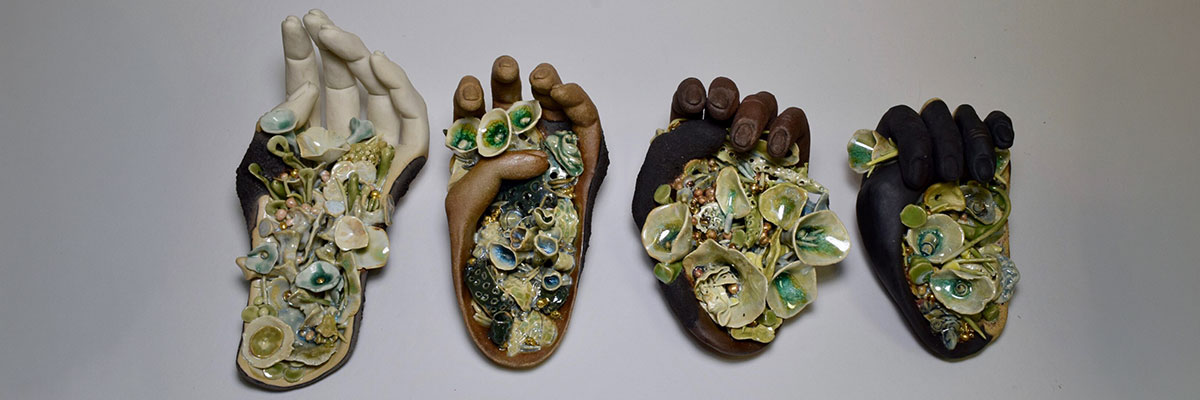
Intermediate Studio: Ceramics – 60234
T/R 2-4:50pm | Prof Yoko Sekino-Bové
This course is a comprehensive introduction to the craft of ceramic art. Students will investigate clay as an art material for personal expression. The primary emphasis is on studio work leading to a portfolio of finished pieces by the end of the semester. The goal of this course is that students will be able to create expressive, three-dimensional clay forms with the proper understanding of the materials and process. The topics include, but are not limited to, various construction techniques such as soft and hard slab, pinch, coil, and wheel-throwing. Also, surface treatment techniques such as texturing and underglaze painting will be introduced. Discussions will include contemporary artists working in ceramics as well as historical examples and various approaches and techniques for working in clay.
This course will consist of demonstrations and lectures, research/writing assignments in and out of class, as well as work time. Students will develop a body of work within the context of the projects to express their individual voice. This course requires students to participate in critiques to analyze their own and others work and identify strengths and weaknesses while promoting artistic growth and the exchange of ideas. No prior experience in clay is required.
Electronic Sculpture – 60237
T/R 2-4:50pm | Prof Jenna Boyles
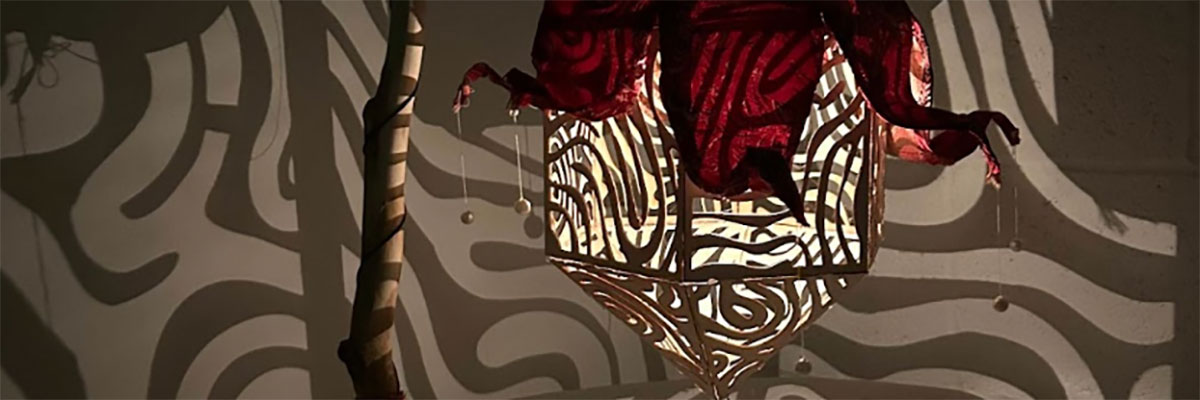
Electronic Sculpture is an intermediate sculpture course that functions as an introduction to physical computing for artists. This studio course covers the foundational concepts and tools behind making interactive, responsive, and kinetic artworks. Through technical demonstrations, assignments, and hands-on explorations, students will build circuits, experiment with various sensors and actuators, and program microcontrollers. Relationships between the digital and the physical realm as well as the relationships between objects, bodies, technologies, spaces, cultures, and societies will be considered throughout the course via research and discussion. Students will gain priority access to the tools and electronics soldering equipment in the physical computing lab, as well as the other digital fabrication facilities within the School of Art, including laser cutting, 3D printing, CNC routing, and the soft sculpture lab. Students will complete technical skillbuilding assignments and a final self-driven project.
Mold Making – 60238
M/W 2-4:50pm | Prof Rachael Starbuck
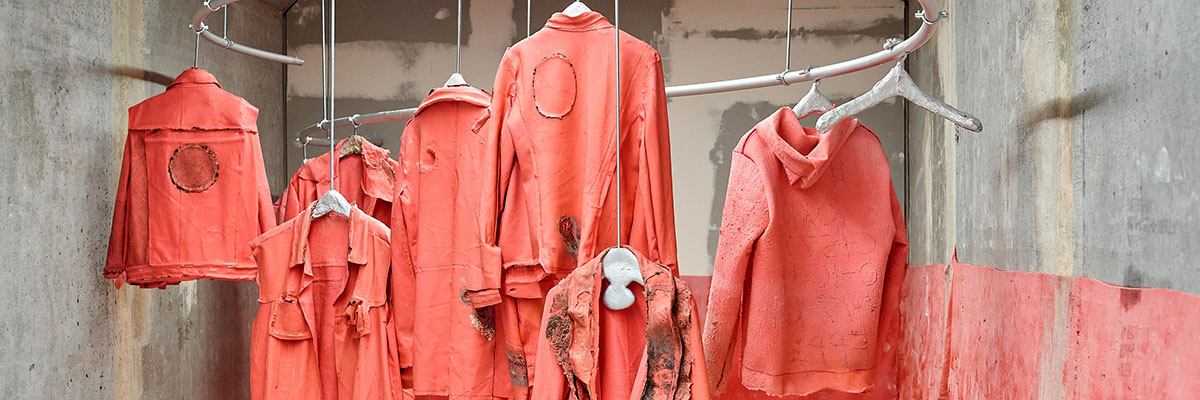
This intermediate course will expose students to basic mold making and casting techniques using a variety of materials and processes. This course will cover a wide range of mold making techniques, from one-part molds to more complex multipart and brush-on molds. Throughout the course we will be utilizing plaster, silicone, resin, urethane rubber, wax, expanding foam and more. As students develop their moldmaking toolkit they will learn to assess various casting processes and properties to determine which process is best for each project. Students will experiment with casting in a variety of traditional and non-traditional materials while understanding safety protocols and the advantages and disadvantages of each. Students will learn various methods to finish and surface cast objects and we will discuss how a cast object can be incorporated into their broader art practice. Students will be introduced to contemporary artists who have used a wide range of mold-making processes in their studio practices and will be asked to consider the formal and conceptual implications of working in material transformation and multiples. The majority of this studio course will be spent working through in-class demonstrations and material experimentation. Group critiques will challenge students to engage and participate in critical readings of sculptural works created through various casting processes learned in class.
Intermediate Weaving – 60247
F 10am-12:50pm & 2-4:50pm | Prof Jamie Boyle
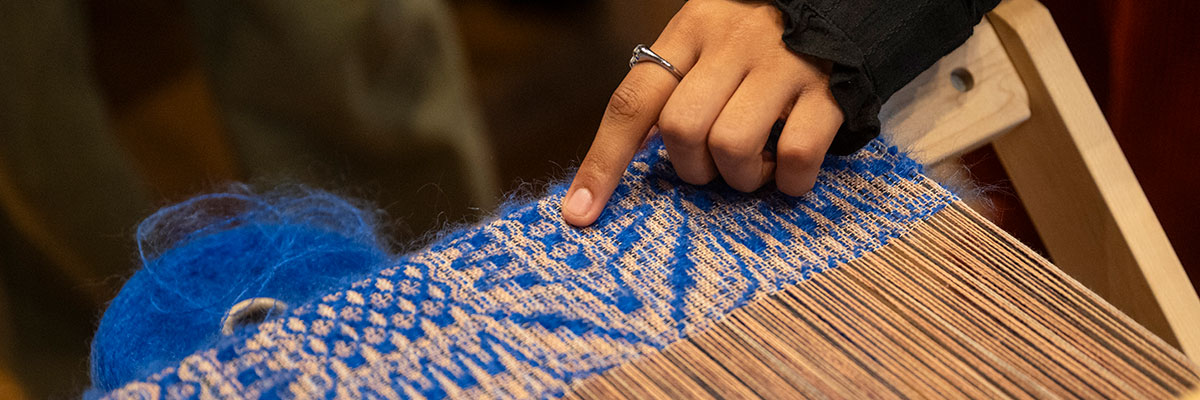
Learn ways of weaving in this in-depth, introductory course! Throughout this course, students will learn some technologies of weaving with a primary focus on the use of multi-harness floor looms. After a basic introduction to the mechanics of a loom, we will follow the question, “what will the cloth do?” as students learn to design, develop, draft and create individualized projects. Together, we will learn to read aspects of cloth, discovering patterns and design among the interlacing threads, while considering histories, meanings, and possibilities. We will also look to the work of contemporary weavers—and weavers past—as well as read historic, modern, and contemporary thinkers to broaden our conversation beyond the studio walls. Weaving can become many things—the source of a poem, the creation of community, the canvas of a painting, a garment, a cloth, a sculptural form, an image, and beyond. This course will be a serious and joyful exploration of the craft. Note: this course will take place off-campus in the Contemporary Craft Timmons Studios, located in the Lawrenceville neighborhood of Pittsburgh.
Intermediate Studio: Watercolor – 60248
M/W 2-4:50pm | Prof John Guy Petruzzi
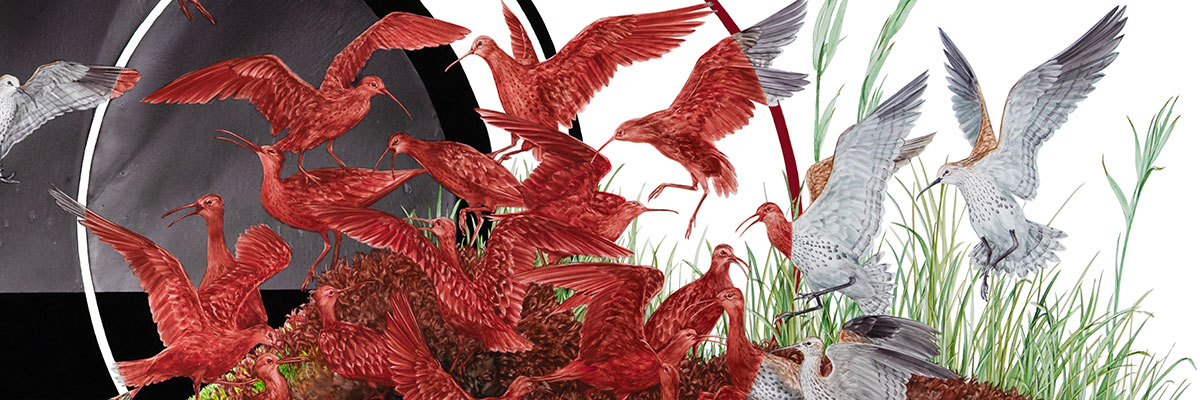
This course provides an introduction to working technically and conceptually with watercolor painting. Students develop skill with color mixing, design planning and paint-handling, while interpreting painting exercises on various paper surfaces. Topics covered include color interaction, transparent layering, wet-on-wet applications, highlight preservation and masking, compositional arrangement strategies, surface management, documentation, display and general craftsmanship. Classes consist of demonstrations, visual presentations, individual consultations and group critiques designed to promote successful creative outcomes and advance students toward unique approaches to watercolor painting.
Intermediate Studio: Paper and Canvas – 60257
M/W 10am-12:50pm | Prof Paul Mullins
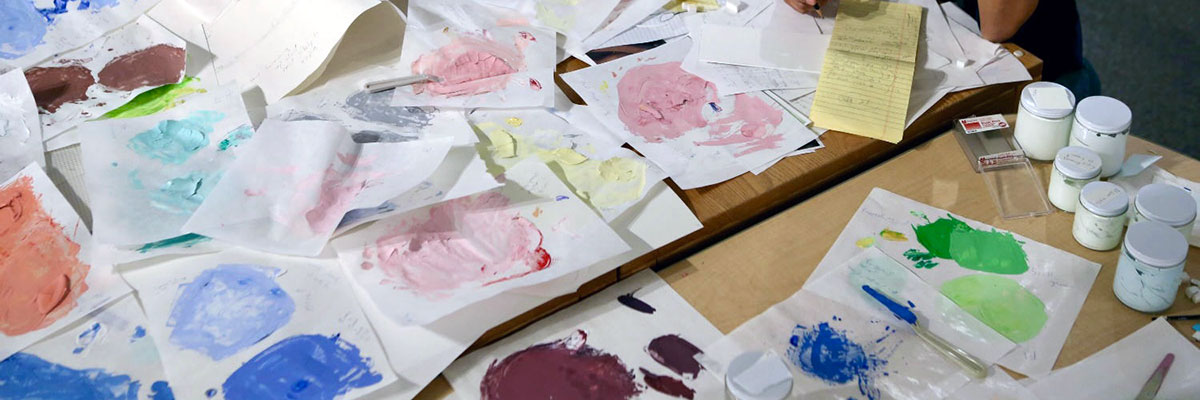
This course acts as a bridge between intro 2D coursework and the more advanced problems that await artists working in drawing and painting. Work will be restricted to water based media, but otherwise students will be asked to pursue ambitious projects both in scale and content. Emphasis will be placed on students acquiring experience with not only the media, but also contemporary perspectives, and preparation for future self-directed study.
Intermediate Metals – 60262
T/R 7-9:50pm | Prof Saige Baxter
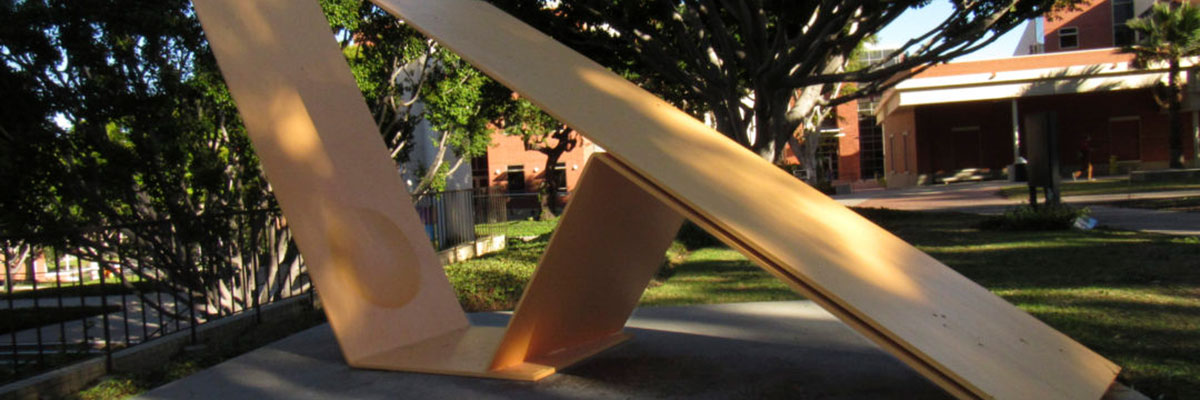
Intermediate Metals is an intermediate studio course focused on contemporary steel fabrication techniques used in sculpture and installation-based practices. The course emphasizes hands-on learning through the development of practical skills and guided projects that introduce students to working with steel as a primary structural material. Students will learn a range of core metalworking processes, including MIG welding, metal cutting, grinding, drilling, bending, plate shearing, and plasma cutting. Instruction will cover both hot and cold fabrication methods, material preparation, joint design, structural thinking, and safe operation of equipment. Projects are designed to build technical proficiency while encouraging students to apply fabrication skills to spatial and formal problems.
Fundamentals of Glass Flameworking – 60269
F 10am-12:50pm & 2-4:50pm | Prof Matt Eskuche & Prof SaraBeth Post Eskuche
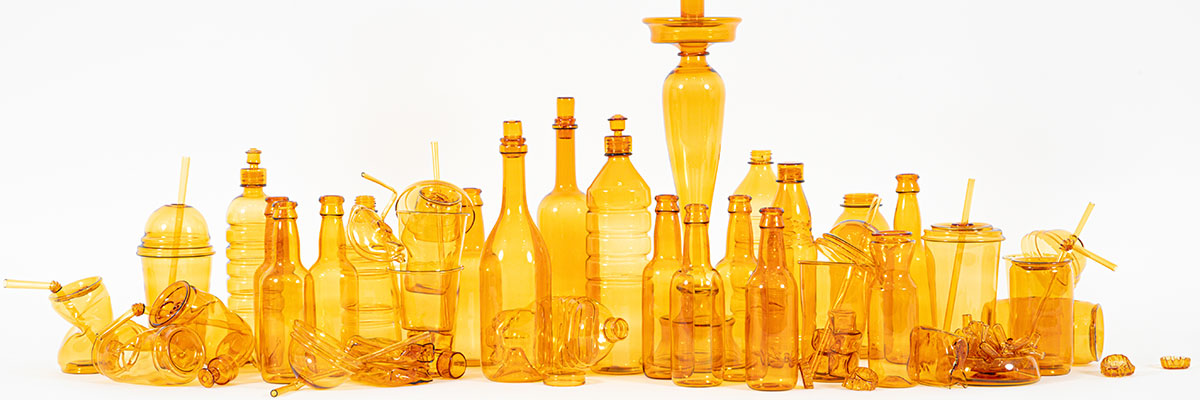
Melt, stretch, bend, blow. This introductory course explores the tools and processes to pursue personal expression and aesthetic with glass as the medium. Technical instruction covers manipulation of solid glass, blowing hollow tube, and color application. In this hands-on studio course students have ample practice time, assignments, and presentation with critique. The goal of this course is to utilize fundamental techniques of glassworking with the torch to create sculpture and objects. Lectures and dialogue will incorporate conversation about historical and contemporary glass art.
CRITICAL STUDIES
Critical studies electives are open to sophomore, junior, and senior BFA and BXA-Art students.

Epic Adventure: Art as Uncommon Storytelling – 60352
W 10am-12:50pm | Prof Jongwoo Jeremy Kim
This course examines the history of art and narrative across more than a century, beginning with the Pre-Raphaelite Brotherhood and extending to contemporary figures such as Nicole Eisenman, Ayoung Kim, and Salman Toor. Class discussions explore works that disrupt established ideas of wordless plot construction, temporal coherence, nonlinear storytelling, and other strategies of narration. Weekly topics address the influence of ancient mythology, ghost stories, knightly quests, science fiction, romance novels, investigative journalism, and popular film on our visual imagination.
Visionaries: Color and Light in Contemporary Art – 60378
M 2-4:50pm | Prof Sharmistha Ray
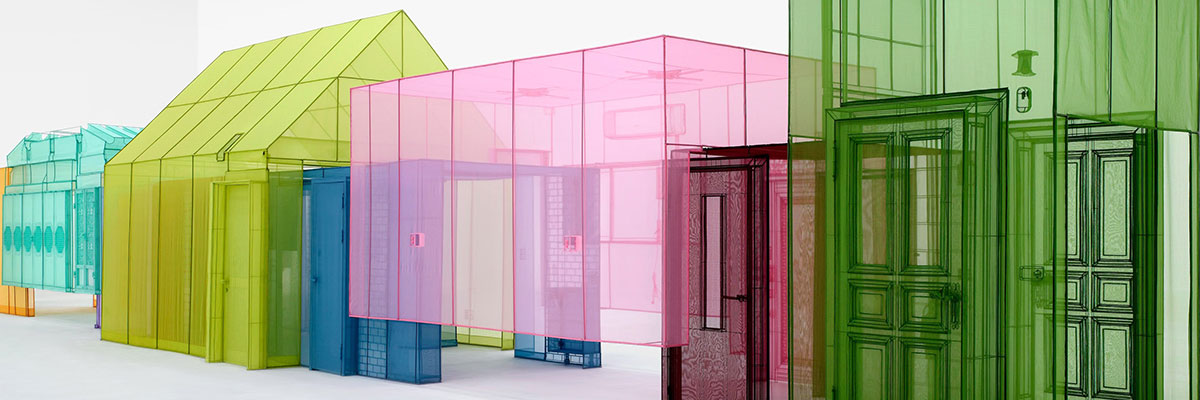
What can color and light do in a world in crisis? Can they offer more than beauty? Can they become technologies of hope, resilience, connection, and repair? This course explores how artists use color and light to imagine and materially construct other ways of seeing and being in the world. We will consider the luminous environments of James Turrell, the exuberant chromatic worlds of Beatriz Milhazes, the immersive repetitions of Yayoi Kusama, the geometric investigations of Frank Stella, the fantastical sculptural worlds of Nick Cave, the layered histories and vibrant forms of Firelei Báez, the charged visual languages of Nina Chanel Abney, and the architectural and psychological spaces of Do Ho Suh, among others. The course will combine close looking, readings, case studies, artist presentations, discussion, and writing assignments, encouraging students to develop both a critical vocabulary for contemporary art and their own ideas about the transformative potential of color and light.
Ecstatic Experience: Experimental Film & Video History / Theory – 60384
T 7-9:50pm | Prof Melissa Ragona
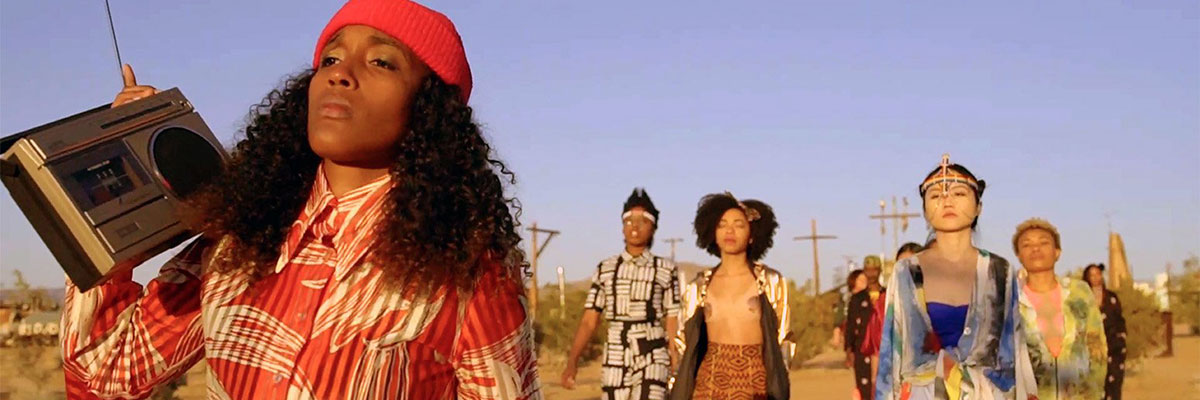
An Ecstatic Experience is the name of Ja’tovia Gary’s six-minute film made in 2015 that takes the idea of “ecstasy” and flips it on its head — implying a radical reversal of pain and suffering into an affirmation of resistance and freedom. This seminar focuses on complex, risky experiments within both historical and contemporary practices of experimental video and filmmaking in which ideas about the ecstatic are explored across filmic and new media materiality, immersion, duration, sound design and mark-making. Reaching back to the kinds of ecstatic models used during the sixties and seventies, fluctuating between feverish dream-states, psychedelic trips, orgiastic burlesques, impassioned revolutionary plans (Nam June Paik, Paul Sharits, Ben Van Meter, Carolee Schneemann, Kenneth Anger, Stan VanDerBeek, Black Audio Film Collective), and racing forward to the legacy of that period, we will view and discuss a vast range of artists, such as New Red Order, Wu Tsang, Peggy Ahwesh, Leslie Thornton, Kevin Jerome Everson, Ja’tovia Gary, Cauleen Smith (just to name a few). Questions we will explore include: What does it mean to experiment? How have temporal, spatial and political parameters shifted? What new models have problematized and replaced earlier ecstatic models of media-inspired social change and experimentation?
Image: Cauleen Smith, Sojourner Digital video, color, sound 2018
The Supernatural + Paranormal in Art: Other Histories – 60390
T 10am-12:50pm | Prof Jongwoo Jeremy Kim
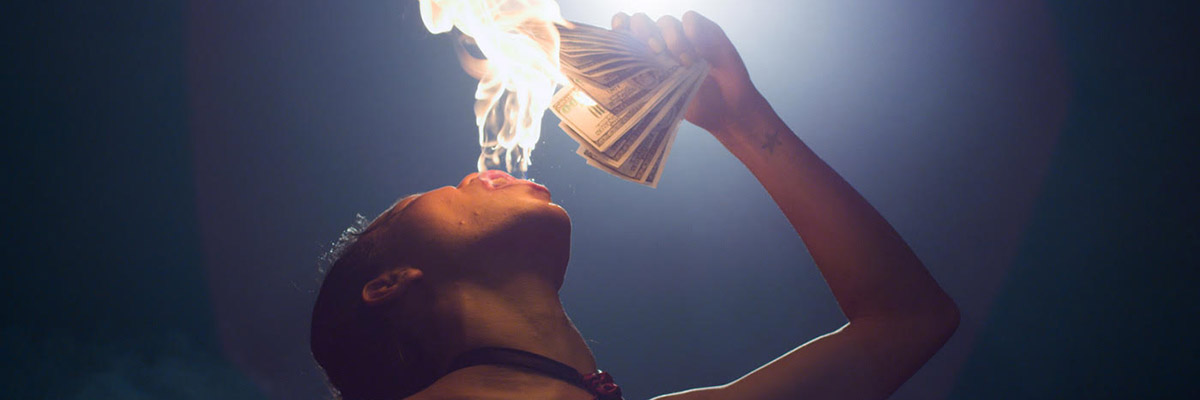
Art empowers us to grapple with inexplicable phenomena in our waking hours and dreams. Our history of art is full of investigations into supernatural events. Surrealism is an easy example from this long history. But creative projects prodding the paranormal predate the Surrealist manifesto of 1924, exceed the limits of that movement, and thrive to this day. We start with French symbolism investigating the correspondence between nature and our inner world. We end the class by analyzing the 2024-25 exhibition Spirit House, surveying Asian American and Asian-diasporic artists exploring haunting, reincarnation, and inter-dimensional dialogues. Artists we discuss include Odilon Redon, Gustave Moreau, Edward Burn-Jones, Arnold Böcklin, Edvard Munch, Hilma af-Klint, Jean Cocteau, Leonora Carrington, Remedios Varo, Dorothea Tanning, Gertrude Abercrombie, Anna Mendieta, Susan Hiller, David Hammons, Renée Stout, Betye Saar, Doris Salcedo, Kenneth Anger, Derek Jarman, Kang Seung Lee, Korakrit Arunanondchai, and Sharmistha Ray.
Never Felt Like This: Painting After Performance – 60393
W 7-9:20pm | Prof Melissa Ragona
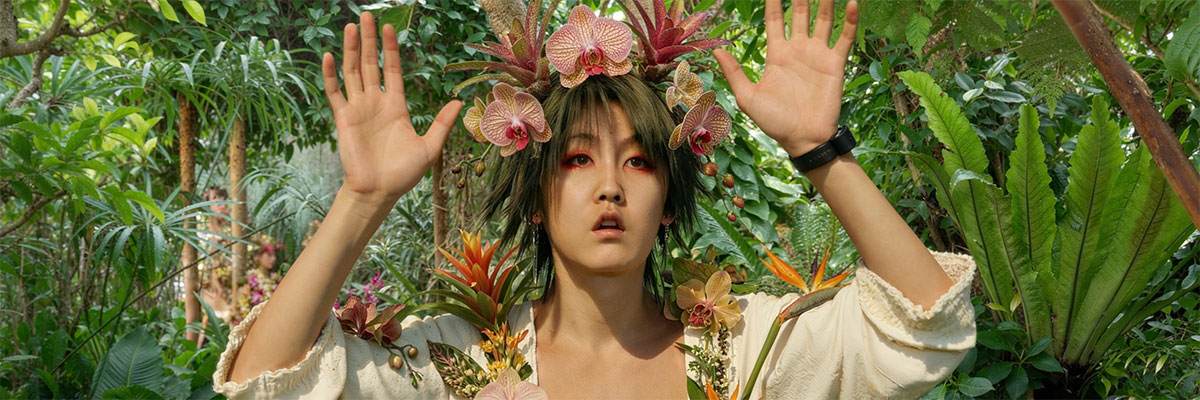
This course traces intersecting dialogues around how performance (action-based practices) and performativity (gesture, discourse, and “language acts”) have shaped and transformed contemporary painting. We will examine the provocative relationship between performance and painting from 1950 to the present, asking how experiments in postwar performance have challenged, influenced, and radically expanded what painting can be. We will follow a vast, stormy trajectory from Jackson Pollock’s action paintings to Niki de Saint Phalle’s Shooting Paintings, in which rifles were fired at plaster surfaces containing hidden bags of paint; from Sam Gilliam’s draped, unstretched canvases to the serene surfaces of David Hockney’s swimming-pool paintings; and from Torkwase Dyson’s Indeterminacy series, which crosses the boundaries between architecture, sculpture, and painting, to the abject, performative treatments of painting in Leidy Churchman’s work, where live bodies lie beneath unhinged canvases while paint, syrup, powder, potato chips, a whip, and other substitutes for conventional paint and brushes are wielded with equal force. We will also investigate more recent practices and debates swirling around “painting post-internet” in the work of artists such as Lena Trydal, Rachel Rossin, Petra Cortright, Lu Yang, Nina Chanel Abney, Tomokazu Matsuyama, and Mehreen Murtaza. The course title borrows directly from Trydal’s recent exhibition, Never Felt Like This (2025), in which internet-sourced imagery is folded back into painting through a distinctly post-internet, post-Pop sensibility. Across these practices, we will ask what happens when painting ceases to function simply as a static image or autonomous object and instead becomes an action, event, gesture, environment, interface, or performative encounter.
Image: Lu Yang, DOKU The Illusion, 2026
PROFESSIONAL DEVELOPMENT
Enrollment in professional development courses is prioritized for juniors and seniors in the BFA and BXA-Art programs. Sophomore BFA and BXA-Art students can enroll with faculty permission if and when space is available.
Professional Development for Creative Practices – 60350
R 7-9:50pm | Prof Tom Hughes
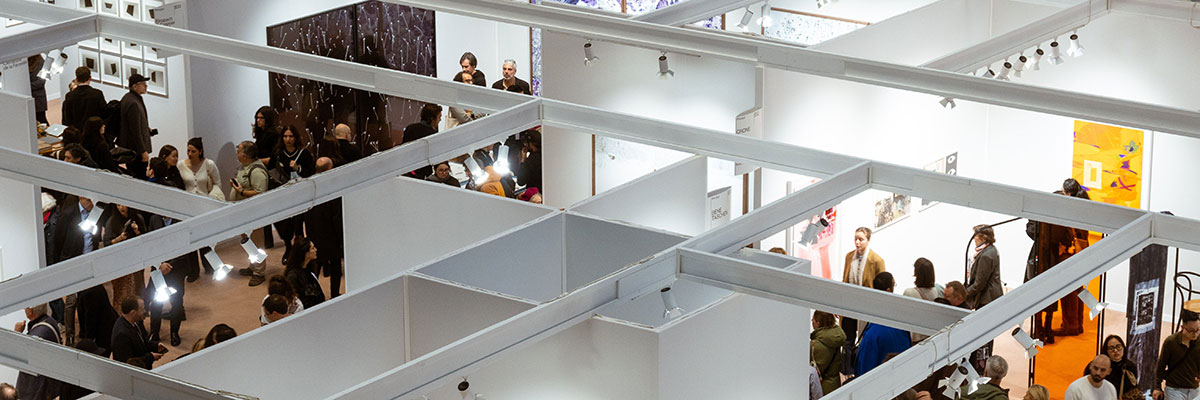
Creative practices – whether that is sustaining an individual studio practice, working as a contracted freelancer, engaging in temporary collaborations or commissions, or working within an incorporated business or non-profit – all benefit from a foundational knowledge of business organizational, legal, and financial structures and practices. By participating in professional development to understand these underlying systems, strategies and frameworks, any creative practitioner can better develop and enact strategies for personal empowerment, sustainability and long-term success. Throughout this course, students can expect to develop this foundational knowledge through a combination of introductory lectures, in-class workshops, case study analysis, and classroom discussion as we deep dive into topic definition, application, ethics, and best practices. Topics covered will include, but are not limited to: organizational and legal business structures; intellectual property protection and monetization; legal agreements and contracts, agency and employment relationships; strategies and methods for generating income and fundraising; financial management and obligations; business negotiation and compromise; and elements of business strategy development. This course assumes no prior background in business education, administrative experience, or arts management.
ADVANCED STUDIOS
Enrollment in advanced studios is prioritized for juniors and seniors in the BFA and BXA-Art programs. Sophomore BFA and BXA-Art students can enroll with faculty permission if and when space is available.
The Animated Short – 60406
M/W 2-4:50pm | Prof Jamie Wolfe
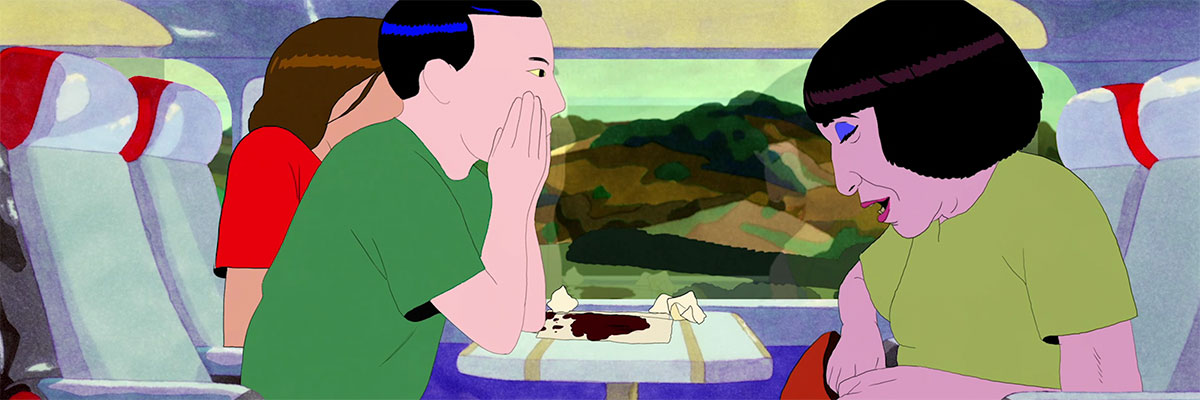
This course guides students through the complete process of creating an original animated short film, from early concept to final screening. Beginning with ideation strategies, students progress through concept development, production, sound, and post-production. A workshop-based structure combines screenings, discussions, critiques, and in-class production time, providing opportunities to experiment, share works-in-progress, and receive feedback throughout the process. Students may work in any technique or genre, with projects ranging from narrative and nonfiction to experimental and abstract approaches. Weekly screenings of diverse short films, accompanied by group discussions, introduce students to a range of approaches to animated filmmaking and provide points of reference for their own work. By the end of the course, each student will have completed a film that demonstrates a developed personal voice and an expanded understanding of the formal, technical, and conceptual possibilities of animated film.
Visual Music – 60411
M/W 7-9:50pm | Prof Johannes DeYoung
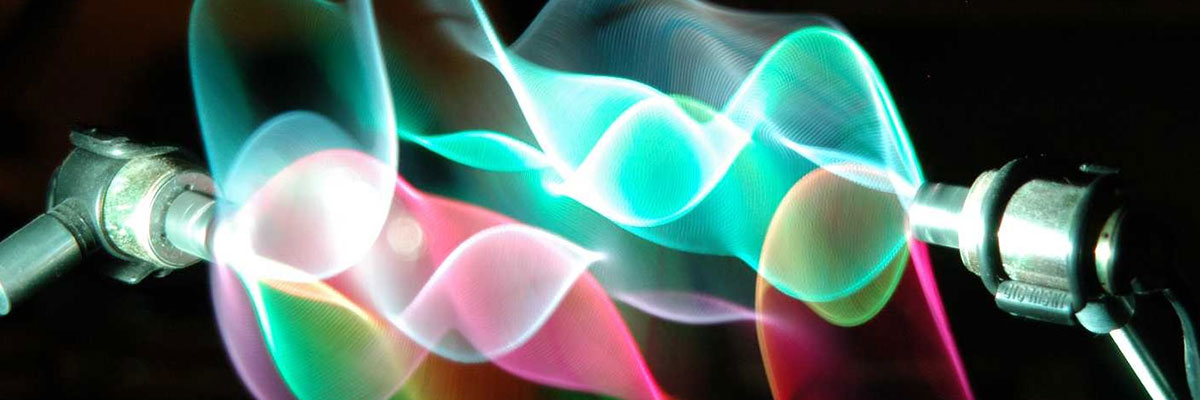
Visual Music is an advanced studio course exploring relationships between sound, image, movement, and perception. Working across animation, moving image, sound, performance, installation, and computation, students will experiment with audiovisual practices that generate new forms of perception, participation, embodiment, and experience. Rather than treating visual music as a fixed genre or historical style, the course approaches it as an evolving field of practice. How might sound become visible? How might an image behave musically? What happens when rhythm becomes spatial, movement becomes signal, or computation mediates the relationship between seeing and hearing? How can audiovisual works produce experiences that exceed the synchronization of sound and image? Through a series of experimental studio projects, students will develop individual and collaborative approaches to audiovisual composition while engaging critically with historical and contemporary practices in visual music, expanded cinema, experimental animation, audiovisual performance, electronic and electroacoustic sound-making, generative art, and computational media. Projects may take the form of films, animations, performances, installations, projections, software-based works, or hybrid experiments. The course coincides with Meshwork, the Pittsburgh Visual Music Festival, connecting the studio to an international community of artists working across new media, sonic arts, animation, cinema, performance, installation, and computation. Students will engage with festival programs, exhibitions, performances, and visiting artists, bringing these encounters directly into their studio practices and research. The semester culminates in a public event, positioning the studio as both a laboratory for experimentation and a point of connection to the broader visual music community.
Advanced Studio: Animation Studio (3D) – 60415
T/R 10am-12:50pm | Prof Sujin Kim
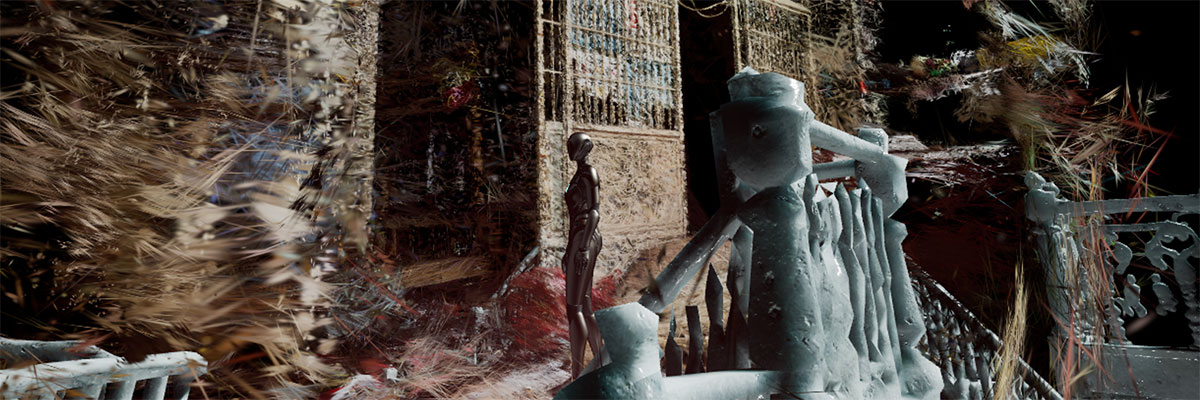
This advanced studio supports students in developing a substantial, self-directed 3D animation project through research, experimentation, and production. Building upon foundational and intermediate 3D skills, students will define individual artistic and technical goals, investigate relevant methodologies, and develop a production approach appropriate to their creative practice. Projects may take diverse forms, encouraging students to expand their understanding of 3D animation through self-directed creative and technical exploration. Rather than following a single prescribed production pipeline, students will advance their projects through structured phases of research, experimentation, production, and reflection. Regular presentations, progress reports, critiques, individual meetings, and technical demonstrations will provide ongoing guidance and accountability. The course emphasizes independent artistic development, critical inquiry, technical exploration, and professional project management, culminating in a resolved final work and comprehensive documentation of the creative process. This course is intended for students who have completed Intermediate Studio: 3D Animation or have equivalent foundational or intermediate experience in 3D modeling, texturing, animation, and rendering.
Advanced Game Studio – 60419
M/W 2-4:50pm | Prof Nick Crockett
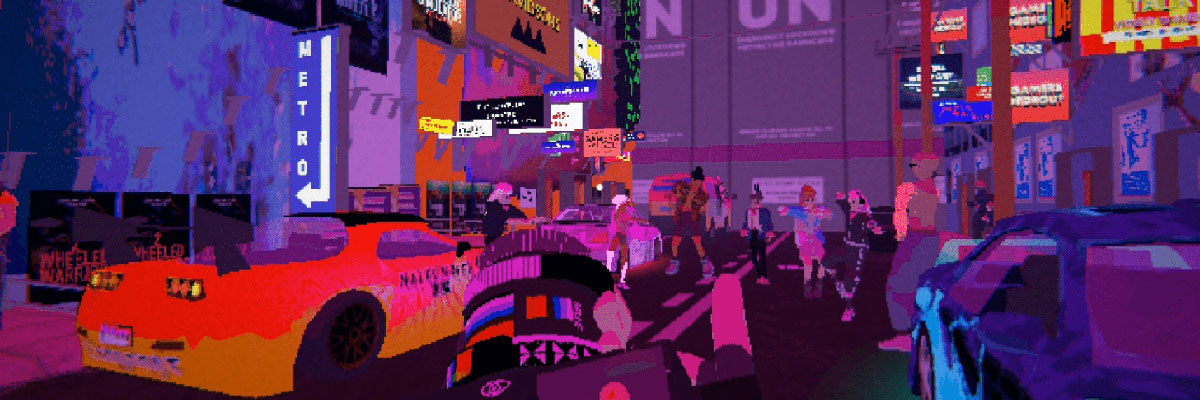
Advanced Game Studio is an intensive, project-driven course centered on the development of a sustained game work. Students pursue self-directed projects that integrate experimental design, critical inquiry, and technical execution, treating game-making as a mature artistic practice. The course supports advanced exploration of systems, interaction, narrative, aesthetics, and player experience, with attention to how games operate within broader cultural, political, and historical contexts. Through iterative development, critique, and research-informed discussion, students refine both their design processes and conceptual frameworks. Emphasis is placed on articulating intent, responding to feedback, and situating work within contemporary game, art, and media discourse. By the end of the course, students will have produced a substantial playable project and a critical articulation of its formal, theoretical, and cultural stakes.
Drawing with Machines – 60428
T/R 10am-12:50pm | Prof Golan Levin
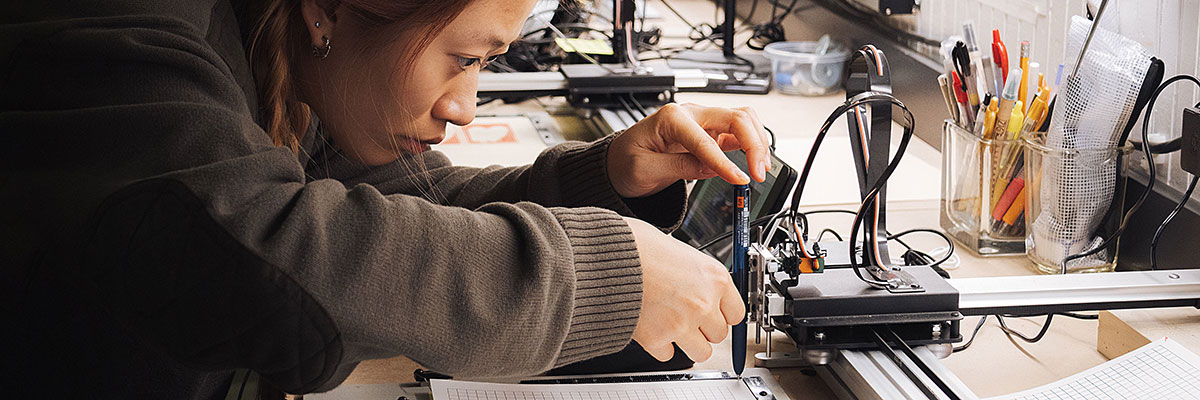
This is an intermediate/advanced studio course in experimental drawing, generative art, computational design, and mechatronic mishegoss. Working at the boundaries of creative code, automation, physical materials, and gestural mark-making, we will explore personal and peculiar new approaches to digital imaging; the development of ultra-niche workflows as a mode of creative practice; and the use of algorithms and machine collaborators as nontraditional intermediaries between mind, hand, and paper. Drawings will be created using AxiDraw plotters and a variety of other specialized machinery. Topics in this course include: rule-based art and conditional design; computational and generative form; synthetic automatism, chance and stochastic composition; animation and real-time interaction. Through rigorous exercises in freestyle computing, participants will develop skills in the control of drawing robots to govern line, texture, tone, shape and mass in a variety of dry and wet media. Participating students must have JavaScript and/or Python programming experience equivalent to an introductory course such as 15-104, 15-110 or 15-112.
Advanced Ceramics – 60434
T/R 7-9:50pm | Prof Sarah Tancred
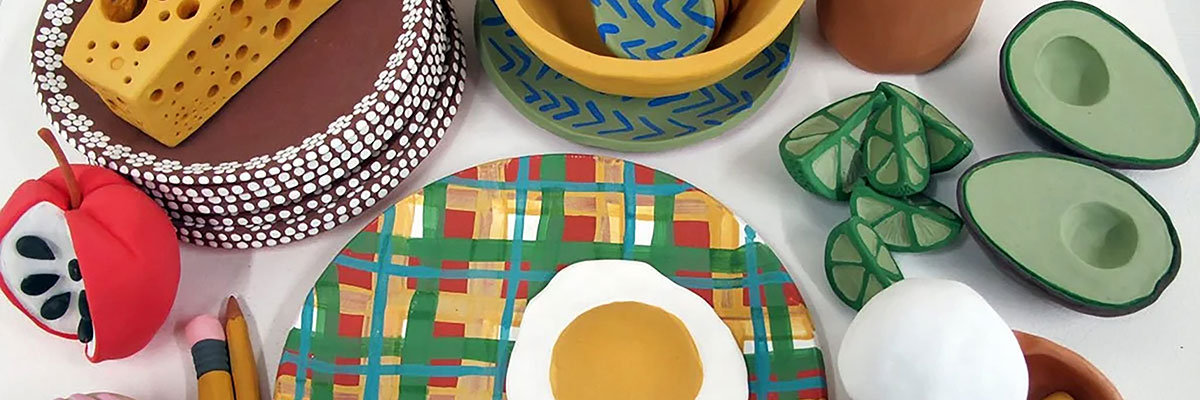
In this course, students will explore clay as a medium for personal expression. They will enhance their technical skills using materials and processes aligned with their concepts, while developing aesthetic sensibilities through historic and contemporary references in ceramics and other arts. In addition to concept-based projects, students will engage in technical projects to broaden their experience with clay, including mold-making, slip-casting, glaze formulation, and advanced ceramic surface techniques. Students may execute conceptual projects using ceramic techniques of their choice. Students will be provided with technical demonstrations, lectures with artist examples, and studio work time. Throughout this course, students will develop and analyze ideas through individual research, creation of a body of work, and group critiques.
Objects of Play — 60439
M/W 10am-12:50pm | Prof Isla Hansen
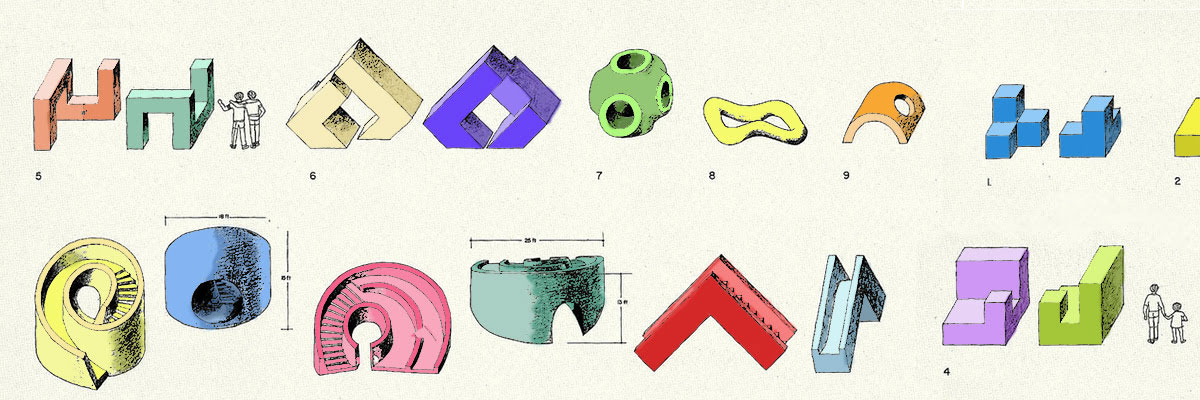
Objects of Play is a project-based studio course that explores the concepts, fabrication techniques, and history behind the creation of play objects. This course explores play as a lens and mechanism for seeing, thinking, and engaging across cultural borderlines. Students will learn about, discuss, and research cultures of play as revealed through a range of physical examples, such as toys, play spaces, playgrounds, games, and the people who both make and play them. The course will cover methods in the fabrication of play objects, including the use of digital and physical fabrication tools such as those in our wood shop, sewing and soft sculpture labs, and use of 3D printers, laser cutters, and our CNC router in conjunction with 3D CAD modeling.
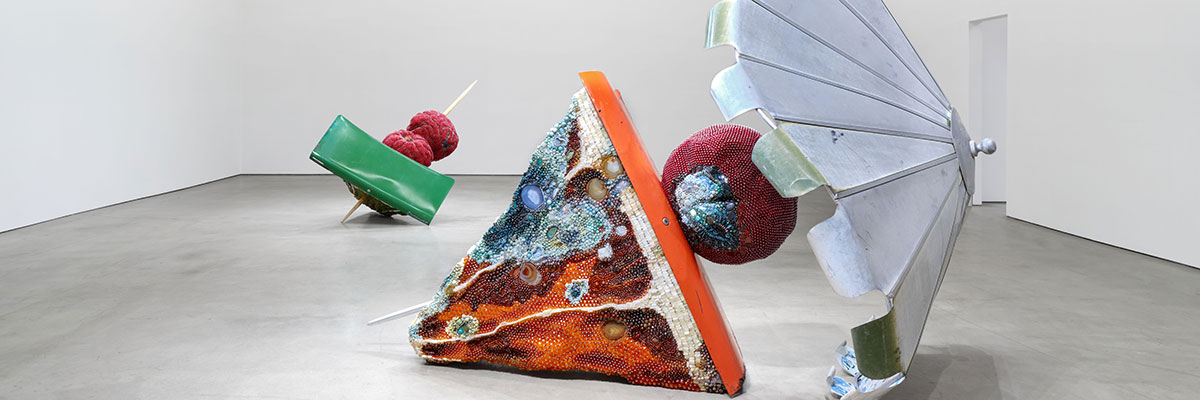
Advanced Sculpture: Expanded Projects – 60443
T/R 8am-10:50am | Prof Rachael Starbuck
Advanced Sculpture Expanded Projects is an open studio course in which students will conceive, plan, and produce a body of work utilizing a wide variety of sculptural processes. This class provides dedicated time, space, and assistance to make whatever object-oriented ideas you have a reality. We will prioritize developing a consistent sculpture practice that is cohesive, self-directed, and sustainable. Demonstrations, workshops, and discussions throughout the semester will focus on providing students with the skills and frameworks needed to refine and finalize their objects and ideas; technically, conceptually, and contextually. We will discuss a variety of surfacing techniques, including how to sand, paint, and finish sculptures, as well as various display methods, including how to build support structures and prepare your work for exhibition outside of the classroom. Emphasis is placed on material decision-making, structural problem-solving, and contextual planning. Through in-class work time, technical demonstrations, individual feedback, and group critiques, students will refine their ability to move from proposal to fully realized projects that are ready to be exhibited in a professional context. Over the semester, students will complete three projects that support their evolving artistic practice. Students are expected to develop a clear conceptual framework that guides their material choices, processes, and decisions across projects.

Color – 60452
T/R 10am-12:50pm | Prof Clayton Merrell
In this advanced course, students will learn to employ a wide range of color theories and color systems through hands-on exercises and studies. Studies will be done in paint, collage and/or digital media. These exercises will be aimed at mastering a variety of color approaches that will be applicable to each student’s own artistic practice. Students will develop, based on their own interests, a cohesive body of work in which to practice and expand on the skills learned through the directed exercises. Studio work will be augmented by lectures, demonstrations, critiques, readings and critical discussion of writings about color.
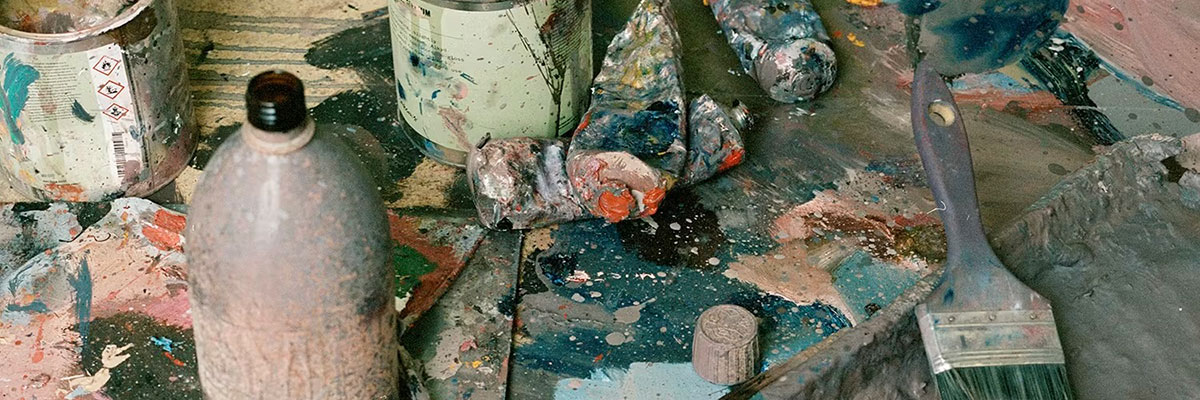
Open Painting – 60453
M/W 2-4:50pm | Prof Paul Mullins
This course is designed to help promote a painter’s development conceptually and technically. It encourages students to evolve their own ideas through a proposed series of carefully conceived paintings. Through research and studio experimentation, students may explore issues of scale, surface, materiality, process, and storytelling with the goal of discovering a combination that exemplifies their intended meaning. Class critiques, peer-to-peer studio visits, and quality studio time will enrich each painter’s conceptual and technical base and promote creative growth. Enthusiasm and varied perspectives will be applauded.
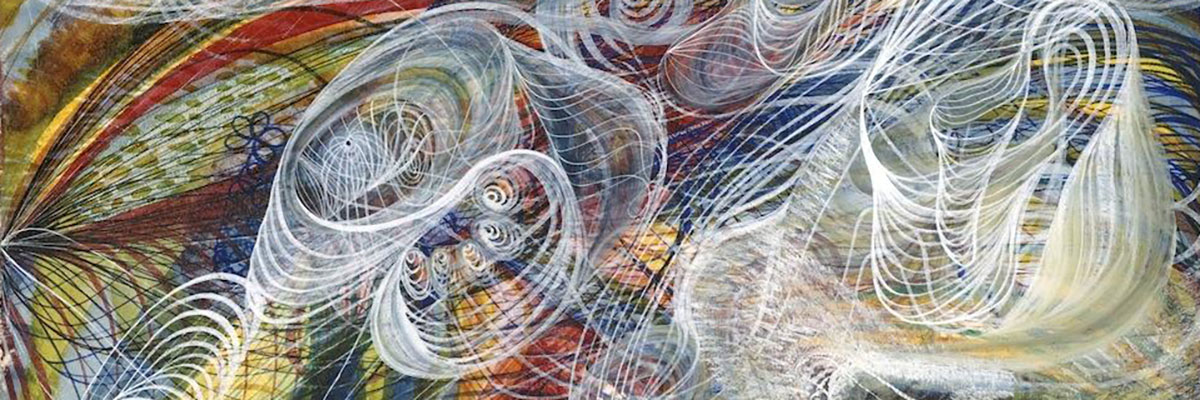
Painting Beyond the Visible: Spiritualism, Mysticism, and the Occult – 60459
M/W 10am-12:50pm | Prof Sharmistha Ray
This studio-based thematic painting course explores how artists have used painting to give form to experiences, beliefs, and realities that exceed the visible world. Drawing on histories of spiritualism, mysticism, occultism, ritual, magic, the paranormal, dreams, visions, and the unconscious, students will investigate painting as a means of accessing and representing what cannot be readily seen, known, or explained. The course examines diverse artistic approaches—from symbolic and visionary painting to figuration, abstraction, surrealism, narrative, and experimental image-making—while considering how artists have turned to tarot, automatism, divination, meditation, ritual, sacred geometry, mythology, folklore, and other esoteric practices as sources of visual and conceptual language. Historical lineages will include Symbolism, Spiritualism, Surrealism, visionary art, occult and esoteric traditions, and other forms of mystical image-making, bringing these histories into conversation with contemporary artists engaging spirituality, ritual, identity, magic, the uncanny, and the paranormal. Through studio production, independent research, readings, presentations, critiques, and field trips, students will investigate how painting can function as a site of speculation, revelation, transformation, and encounter. Rather than prescribing a particular style or aesthetic, the course encourages students to develop a personal visual language through sustained experimentation with image, material, process, intuition, and meaning. Emphasis will be placed on painting as a technology for making the invisible visible: a way of exploring questions of belief, perception, consciousness, mystery, and the unknown while developing an individual and critically engaged studio practice.
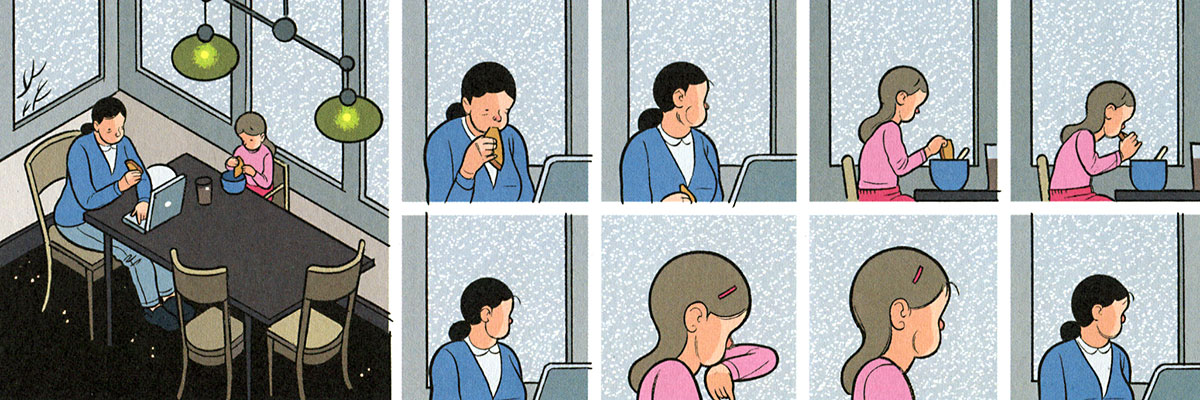
Advanced Comics Workshop – 60464
T/R 7-9:50pm | Prof John Peña
In this course, students will develop, storyboard, and revise a long-form comic or sequential narrative. Each student will create a detailed production schedule to which they will adhere throughout the semester. To strengthen and refine students’ visual storytelling skills, the course will also include workshops on storyboarding/layout, character design, digital and analog hand lettering, and book design. Additionally, there will be ongoing critiques and peer-editing sessions to provide valuable feedback on each student’s work. Finally, the class will work in small groups to design, curate, print, and publish a collaborative book highlighting each student’s work.
Publishing as Artistic Practice – 60466
T/R 10am-12:50pm | Prof Imin Yeh
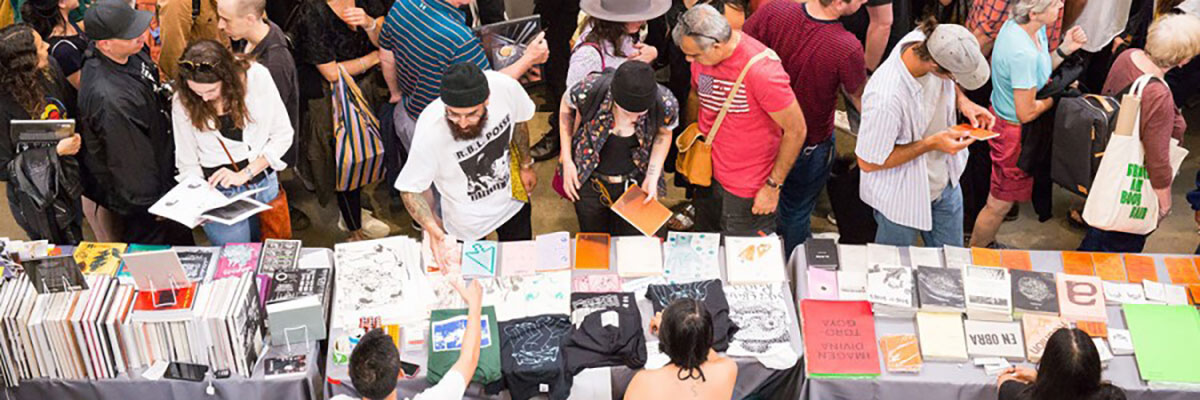
This is a hands-on studio course that is focused on artist books and multiples. Students will be introduced to techniques in traditional bookbinding, zine making as well as design and layout of an artist book for mass publication. Coursework will primarily be within the digital print studio equipment: large format inkjet, laser-jet and risograph printing but students with prior experience in printmaking techniques will have access to traditional print studio equipment/materials to incorporate into their projects. The class begins with a focus on the book form but will also be looking at contemporary artist’s multiples that exist over a wide range of media, from fine art prints, sculptural and digital editions, and even performance and participatory work conceptualized as a multiple. We will discuss the economy and business structure behind independent publishing, looking into contemporary artists who are running their own presses, an emergence of art book and zine fairs, and envisioning alternative distribution opportunities for our artworks.

Figure Painting – 60478
T/R 7-9:50pm | Prof London Williams
Figuration in painting will never go out of fashion! This course explores the processes, methods, and strategies of representing the human figure through various approaches to painting. Students will develop their own approach to figurative representation through studio practice, observation, and reflection. Lectures and research will trace the evolution of figure painting across history and into the present, engaging artists such as Naudline Pierre, Amy Sherald, and Kerry James Marshall as guides to contemporary practice. Through this investigation, students will uncover personal symbols, metaphors, and methods that deepen their connection to the figure and its expressive potential.
Art Electives for Non-Majors
These courses to make and learn about art are open to all students across campus. No previous art experience is required or expected!

Cultural History of the Visual Arts: The Modern Period – 60106
M 7-9:20pm (Section A) & W 7-9:20pm (Section B) | Prof Maria Elena Versari
Have you ever felt that you liked an artwork but couldn’t explain why? Do you have questions about art that you were always afraid to ask? This course is conceived to give students the tools to feel at home when visiting a museum and talk about art in social, business and academic settings. It is organized over two semesters, but students can take only one of the two courses. Covering the period from the 1800s to the 2000s, this spring semester class will look at masterpieces and lesser-known works that define our idea of what art is and what role it has in society. You will be encouraged to ask the questions you always had about art but were afraid to ask!
Non-Major Film: Back to the Future – 60108
T 7-9:50pm | Prof Phillip Lewis
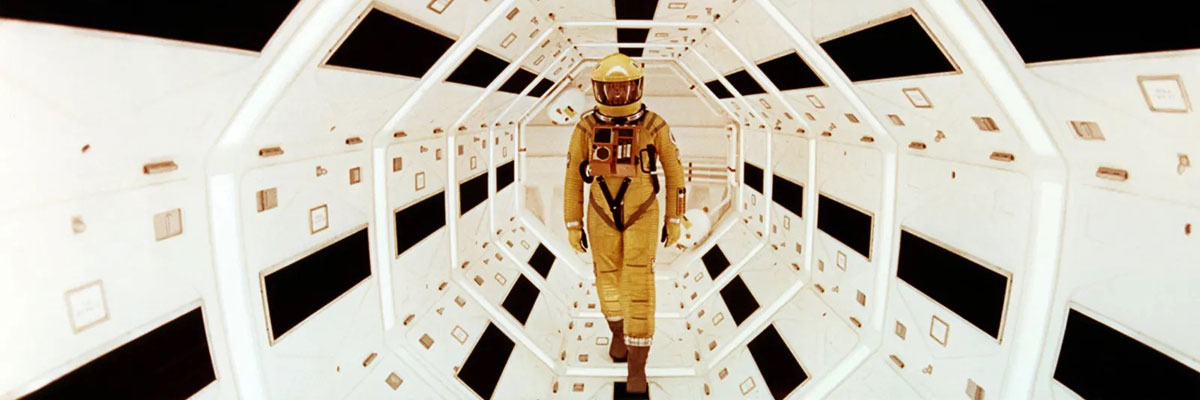
Can movies predict our future? From the beginning of cinema, writers have speculated and imagined the future with varying degrees of accuracy, ranging from spot-on technological predictions to grim dystopias. This course explores how cinema has imagined, projected, and interrogated the future from the silent analog era to the contemporary digital age. We will analyze films presenting speculative futures as commentaries on not only the time they were made, but also the current moment we are in and the potential of what may arrive next. Through screenings, readings, and discussions we will cover topics include technological advancement, socio-political anxieties, environmental crises, evolution of human identity, post-humanism, and the frontier.
Ceramics for Non-Majors – 60136
M/W 10am–12:50pm & 2-4:50pm | Prof Yoko Sekino-Bové
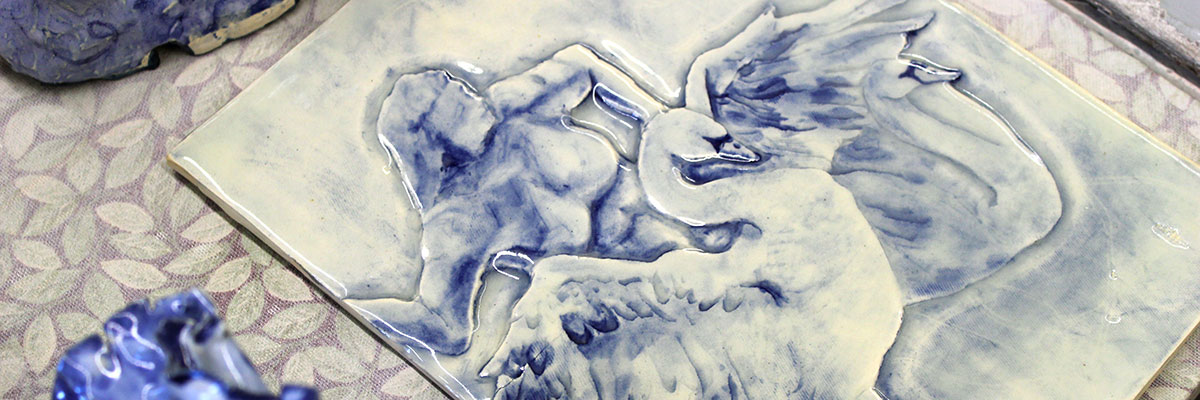
Get your hands dirty in this comprehensive introduction to ceramics! In this class, you’ll try out various hand-building techniques, as well as wheel-throwing. In addition, you’ll learn about clay and glaze compositions and formulations, as well as techniques to finish the surface of your works, including texturing and underglaze painting. By the time you finish the class, you’ll have a portfolio of finished pieces to take home!
Drawing for Non-Majors – 60157
M/W 2-4:50pm, T/R 10am-12:50pm, T/R 2-4:50pm | Prof Julia Betts & Prof Kristen Letts Kovak & Prof John Sanders
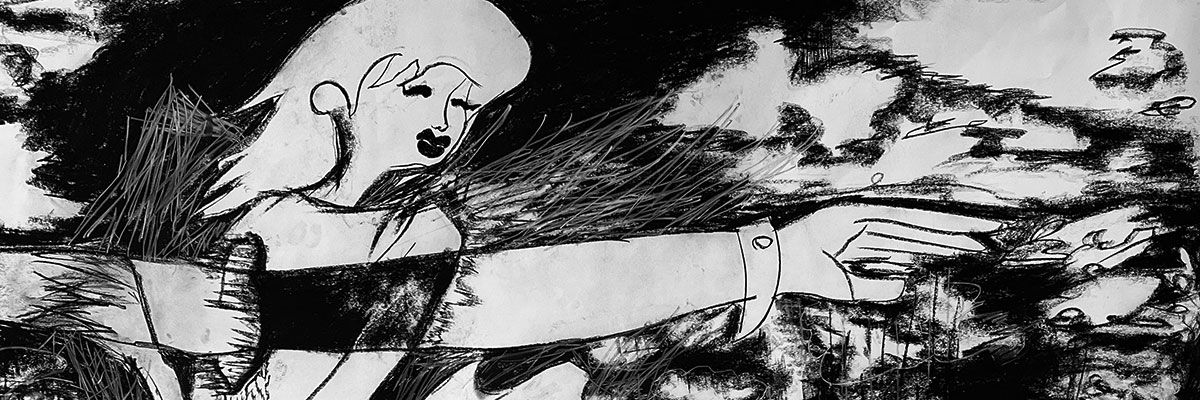
Drawing is the foundation of all the visual arts. In this class, you’ll learn perceptual, analytical, and structural drawing skills that allow you to both more accurately and more expressively create an image on paper. You’ll try various methods of creating pictorial and illusionistic space; recording the external world of light and form; and making visible the internal world of the heart, the mind, the soul.