

From Andy Warhol to today’s teen artists, Pittsburgh Regional Coordinator Megan Bonistalli talks about the power of early recognition in art education.
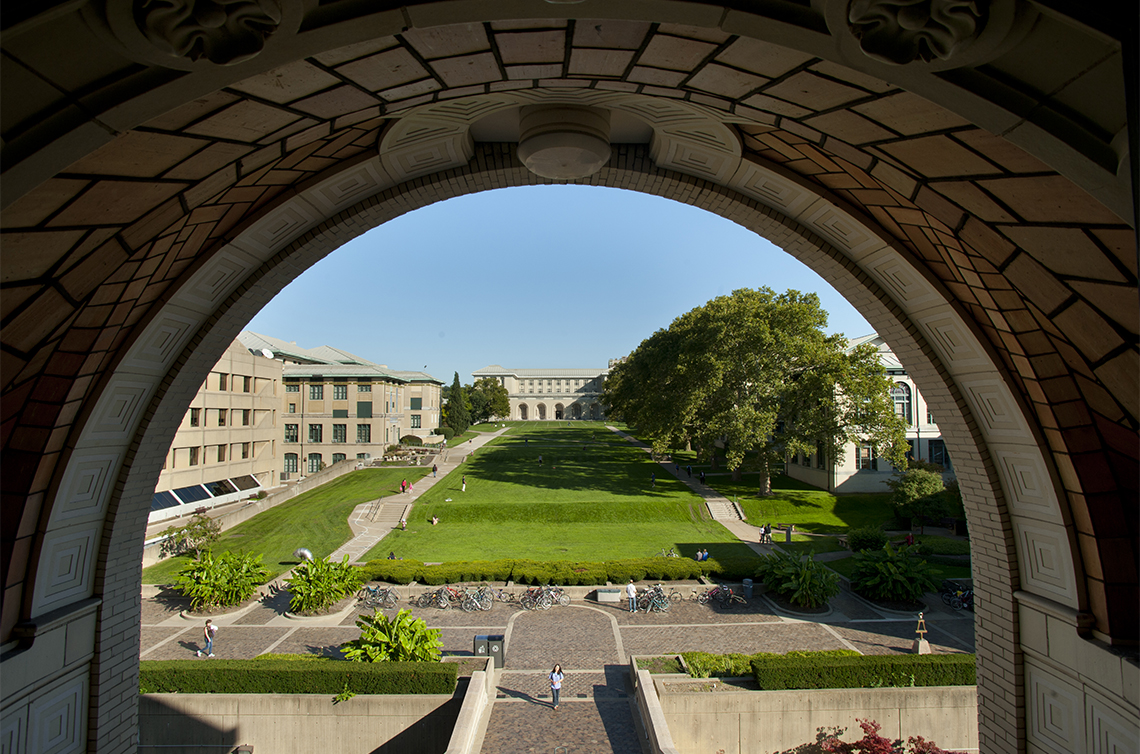
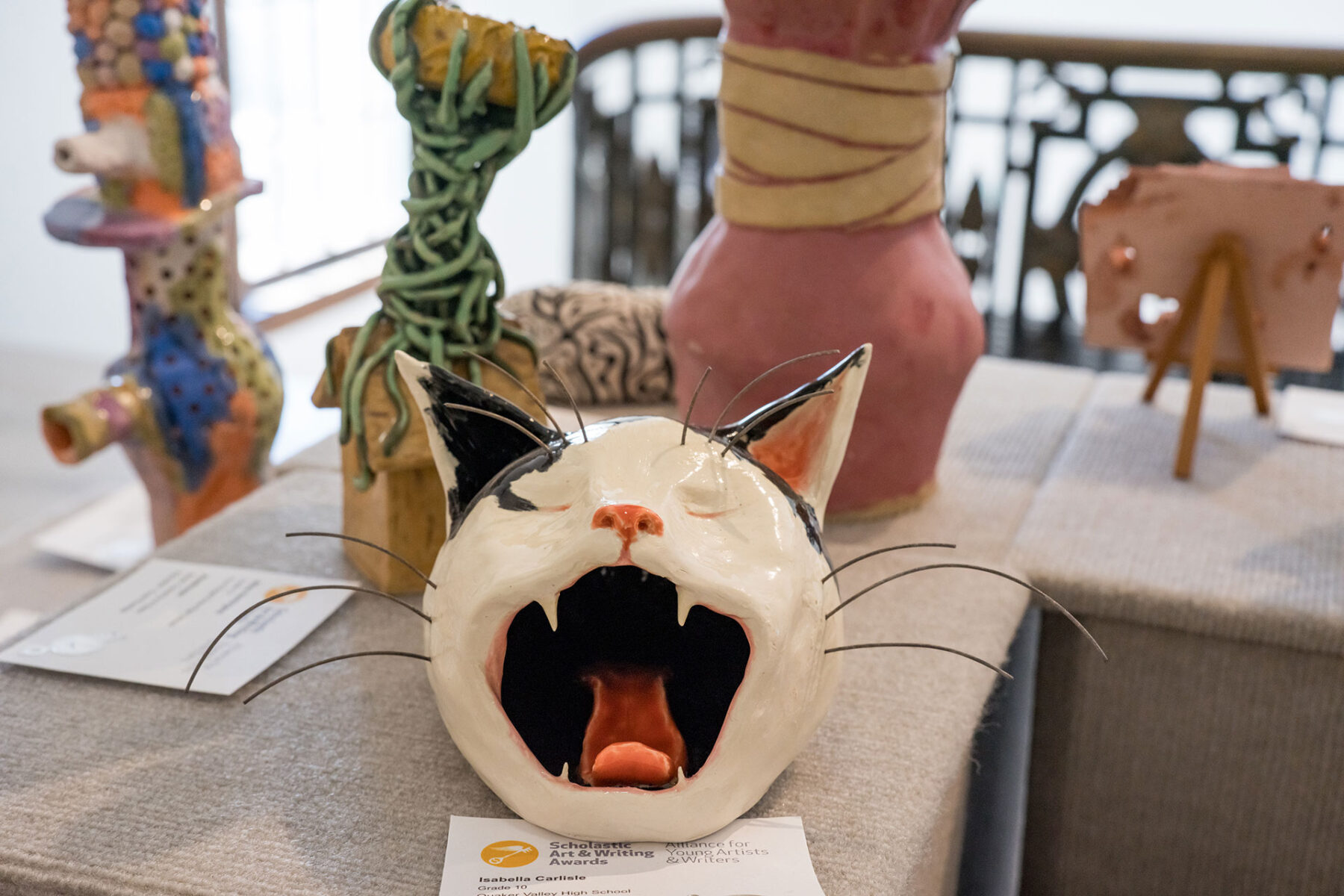
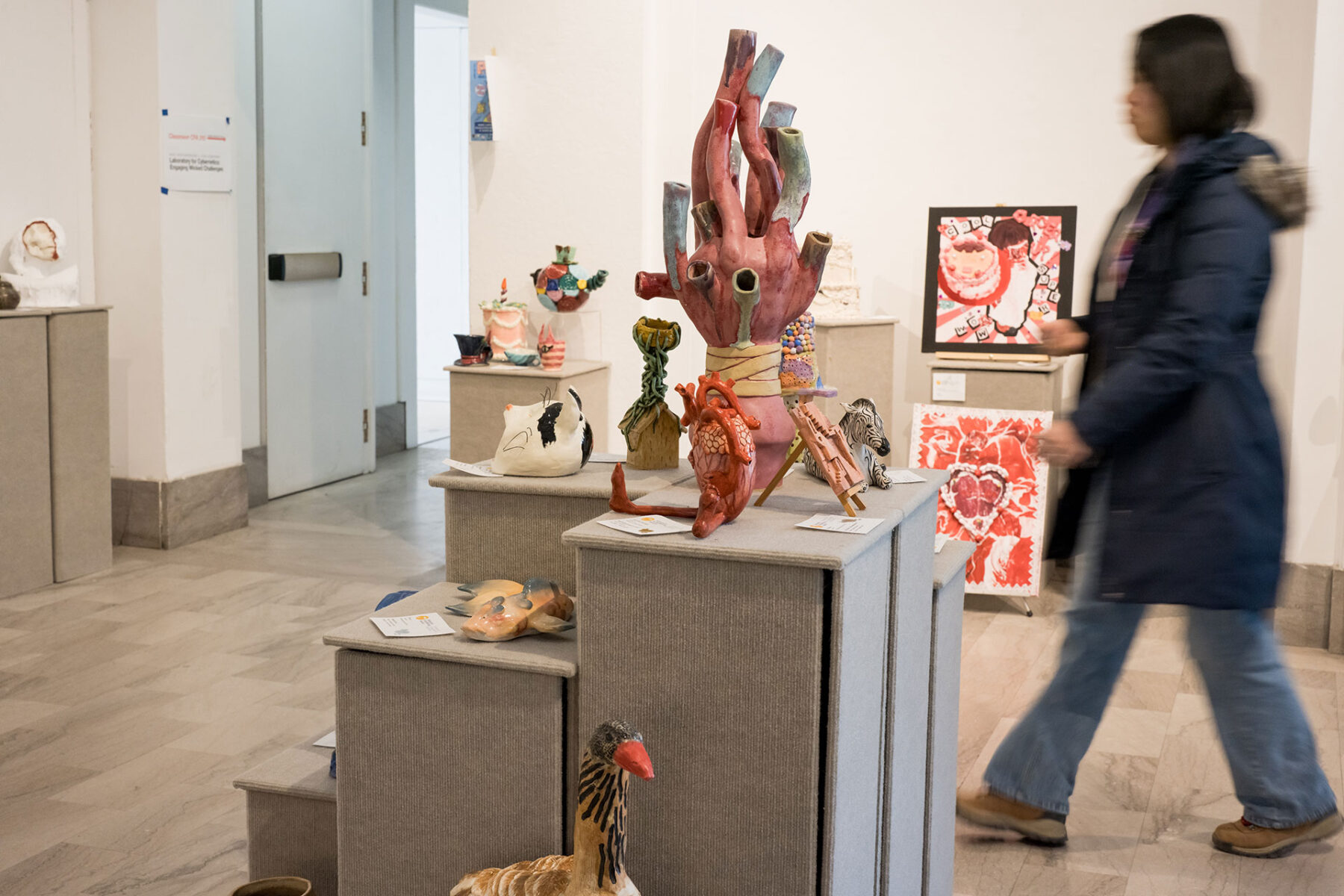
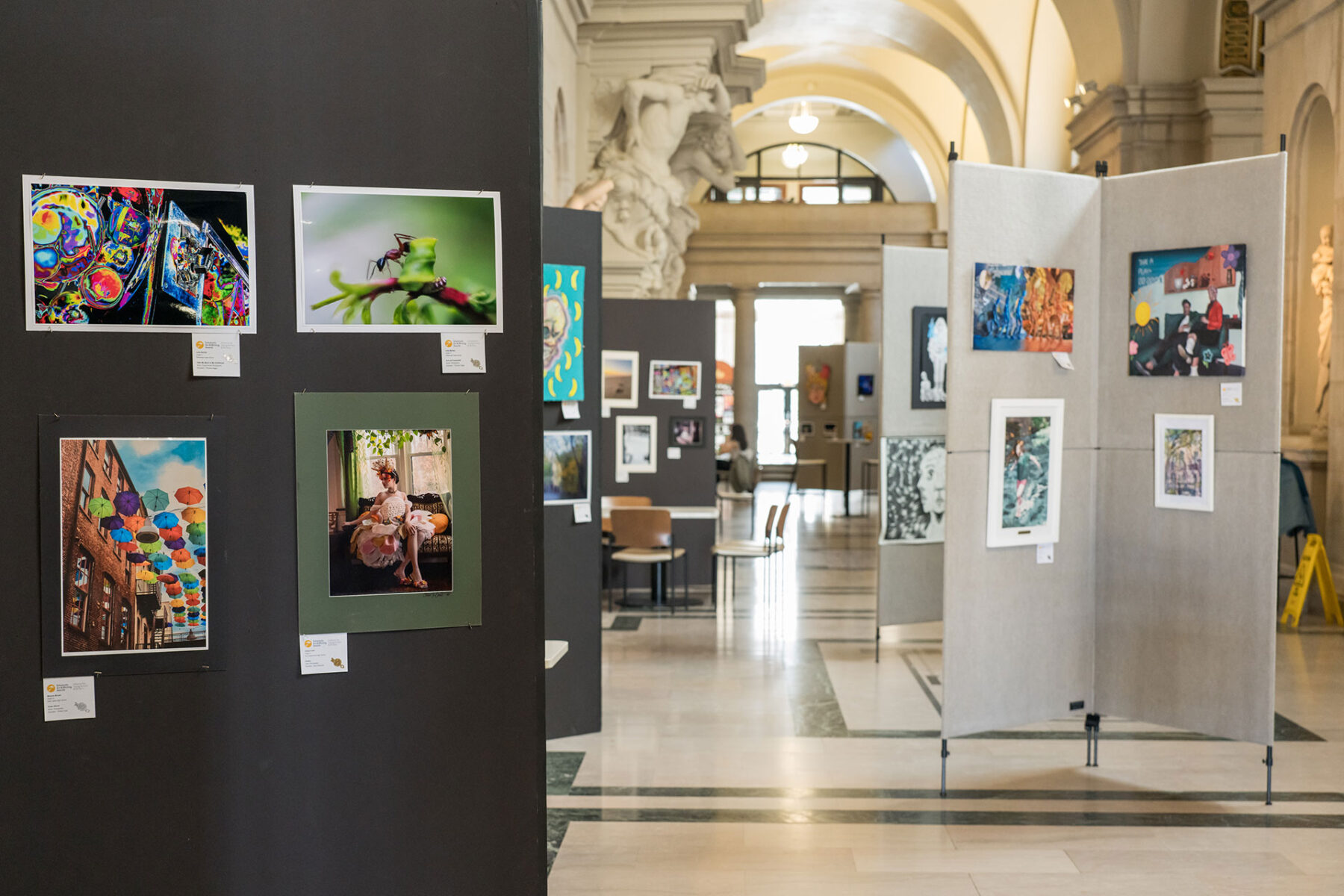
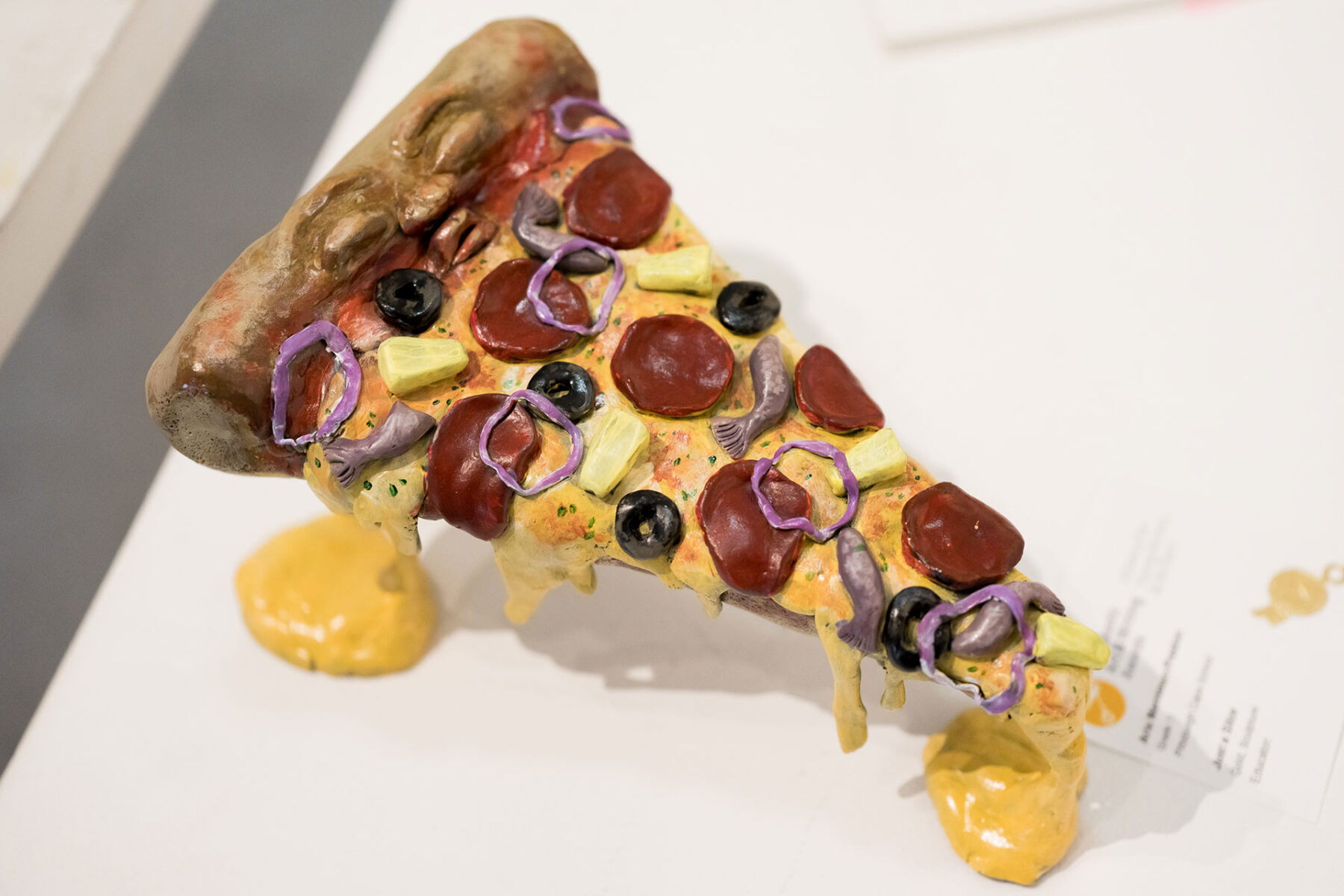
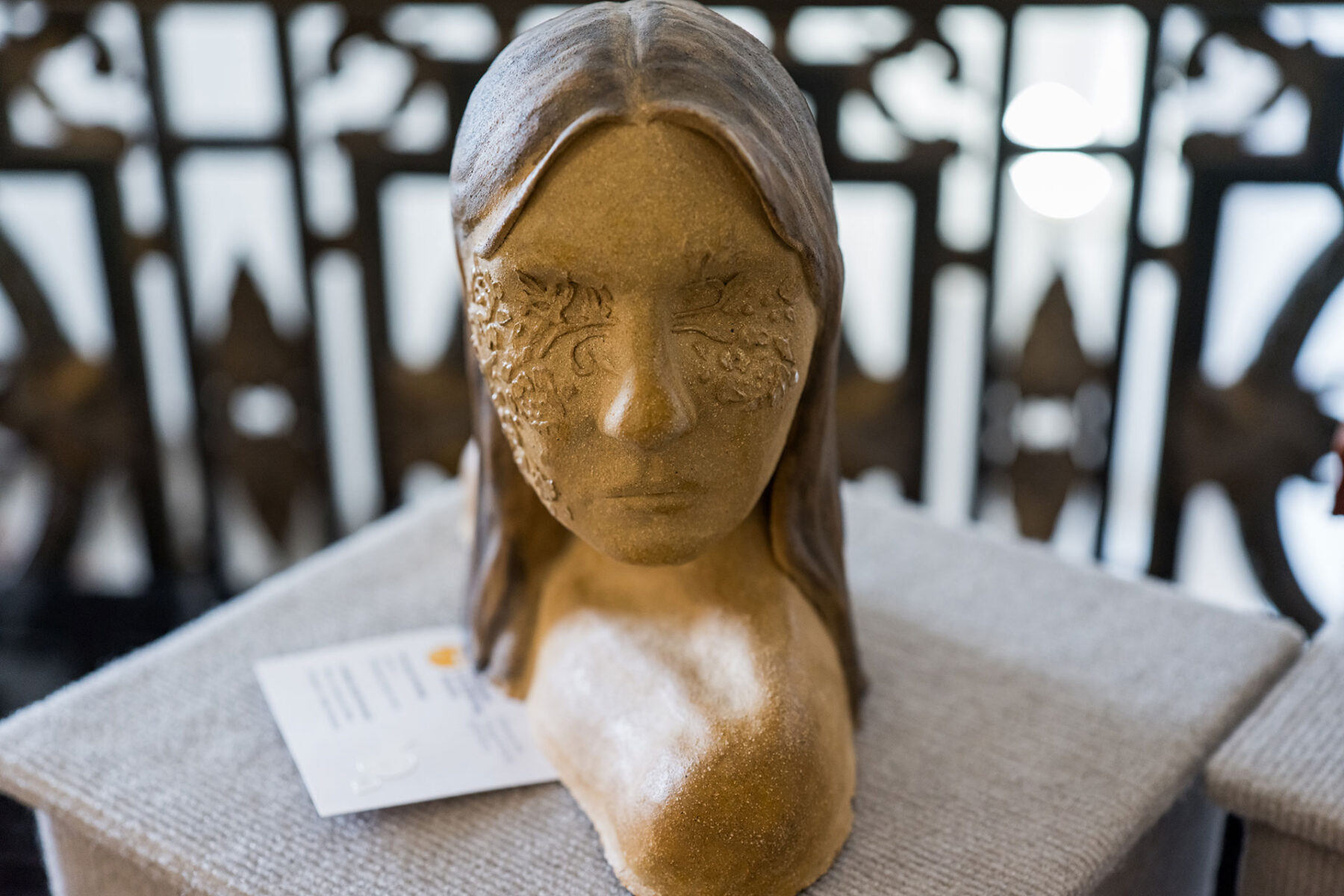
Seneca Valley High School art teacher Megan Bonistalli has coordinated the Pittsburgh Regional Scholastic Art Awards since 2018, but her connection to the program goes back much further. A Scholastic-recognized student herself in the 1990s, Bonistalli now works to provide local teens with the same mentorship and community that shaped her own life as an artist. Each spring, she helps transform the first and third floors of Carnegie Mellon University’s College of Fine Arts into a showcase for the region’s talent. Featuring Gold and Silver Key-winning works from Allegheny, Beaver, and Butler counties, the exhibition continues a century-old tradition that once recognized luminaries (and School of Art alumni) like Andy Warhol and John Currin. This year’s awards saw more than 1,100 entries, culminating in a March 7 celebration at Kresge Theatre.
Bonistalli sat down with us to discuss the program’s evolving partnership with CMU, the influence of her own mentors, and why the Scholastic legacy remains a vital launchpad for young artists.

Do you remember what you made as a student for the Scholastic Awards?
Megan Bonistalli: Oh my gosh, yes. It was clay. My sister had modeling clay she never played with, and my mom needed to keep me busy one day and was like, “Here.” I had never been so quiet and so focused on anything. I just loved it. I couldn’t wait to get to high school because my teacher would get to school at 5:30 every morning, and he always said, “Anybody who wants to come make pots that early, come on.” I never missed a day. I’d go in and throw pots for like two and a half hours before school.
How did you arrive at arts education as a career?
MB: I never thought I wanted to be a teacher at all, but I liked making art. That amazing, wonderful teacher, Keith Herchenroether — we just called him Herk — is part of why I spend a ton of my life doing this. I feel like I’m always repaying him for the joy this has brought to my life. He’s the one who said, “Art school’s a thing you could do.” So I did. I put myself through school at Penn State. Halfway through my BFA, I realized some things about the way the art world worked, and coming from kind of financial instability, I thought, “What do I do with this?” So I added the ed. I got two undergrad degrees. Turns out teaching was just a great fit for my personality, more so than a studio potter and running some kind of business. I’ve loved it.
Tell us more about Herk and the influence he had on you.
MB: He was such a good example for me. The getting up early helped pay for college because I was used to getting up. Other kids didn’t want the jobs in college that started that early. It served me in a lot of ways, that work ethic. I don’t know where I’d be without Herk’s inspiration. He passed away four years ago, and his family has kind of adopted me. It’s really sweet. We do Empty Bowls every year — he would rent space in Manchester Craftsmen’s Guild so a bunch of alumni would come together for a day to make the bowls. They still make that all happen.
So how did the partnership between Scholastic and the School of Art start?
MB: Liz Keller and Sheika Lugtu are a big part of why we’re here and why the enthusiasm is still behind it. Liz had a good experience with Scholastic when she was in high school at The Ellis School. North Allegheny was the district that ran it forever in Pittsburgh, as far as I know, but then the people who were running it retired, and no one picked it up. There was a full year when nobody really publicized it. We noticed it was missing, so I just emailed the national office, and that’s how I got involved. Seneca Valley has been really supportive.
I’m always looking for judges — and in particular, digital art judges. One day I got a postcard that Sheika Lugtu sends out to high school art educators, so I emailed her and we started talking. She asked, “So where do you put the art for the awards?” and then she said, “How about Carnegie Mellon?” I was like, “Yes, please.” I’m just grateful. She’s amazing.


What does this recognition give to a student at this age?
MB: What I hope it gives is community and being in the space with the work. There’s also experience. Some kids already have the confidence — they’re art school‑bound, like “I know this is my thing and I’ve got the skills.” But even when you have that confidence, you still have to understand etiquette and what’s appropriate when you’re applying to a show, when you’re sending work. Maybe you also get experience with getting the feedback you don’t want — learning how to take feedback rather than just feeling criticism. And if you’re not going into an art career, if you’re going into medicine, or engineering, you still take the joy and love of the arts with you.
What pieces really stood out to you this year?
MB: So many. Sidney Rice’s dresses won two Gold, three Silver, one of only five American Vision Awards issued each year, all for things she has sewn and worn. She’s on her fourth wedding gown that she’s made for people. Nora Kelley’s portfolio was another showstopper. The marker and watercolor are so smooth, and her oil painting — she’s like the Dutch Masters. Everything is teeny tiny, detailed to the max. There were some really neat, just crazy things. I hope that if there’s one kid every year that has any experience even vaguely close to what mine was, it’s worth it. That’s the goal.
