
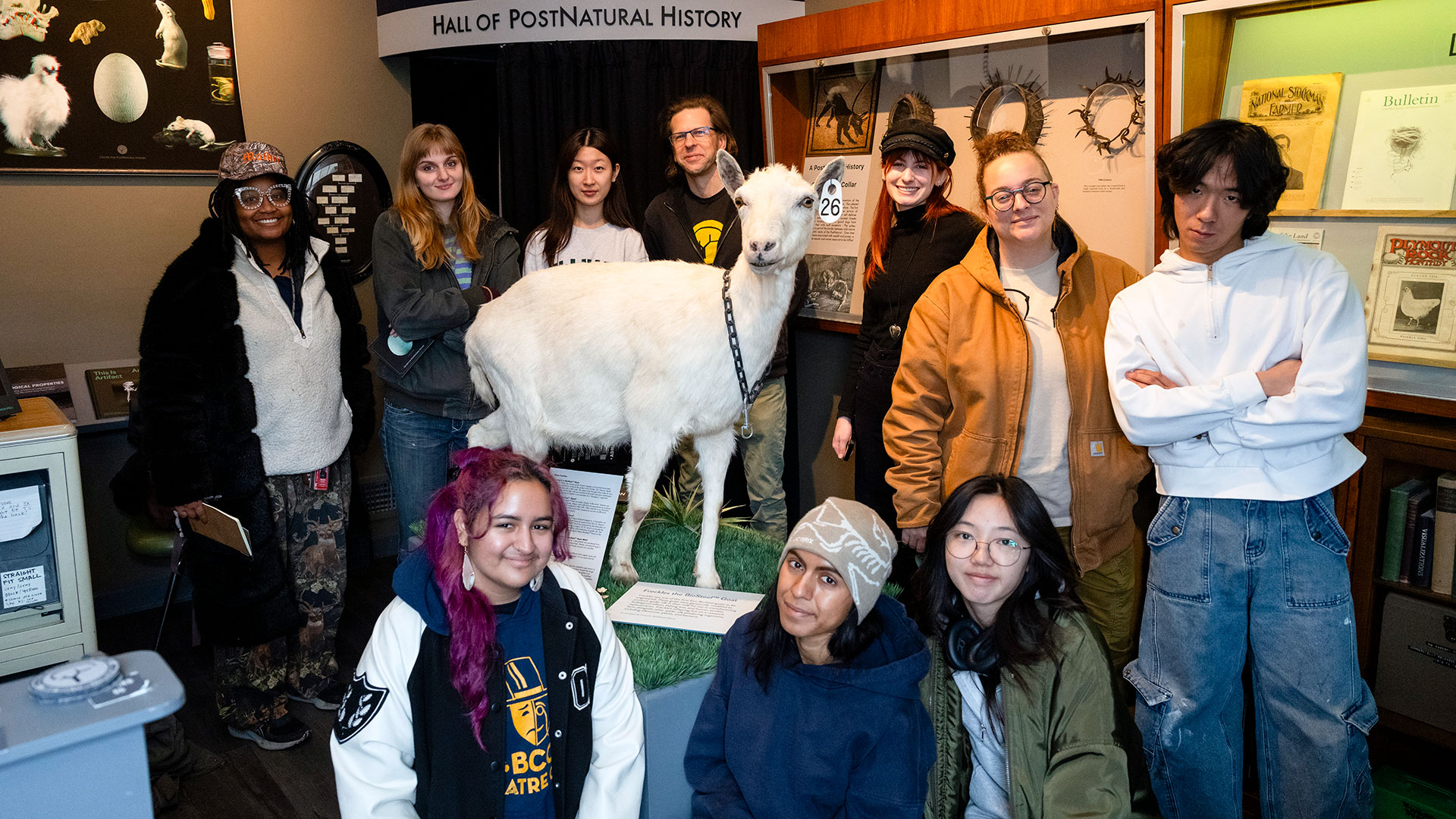
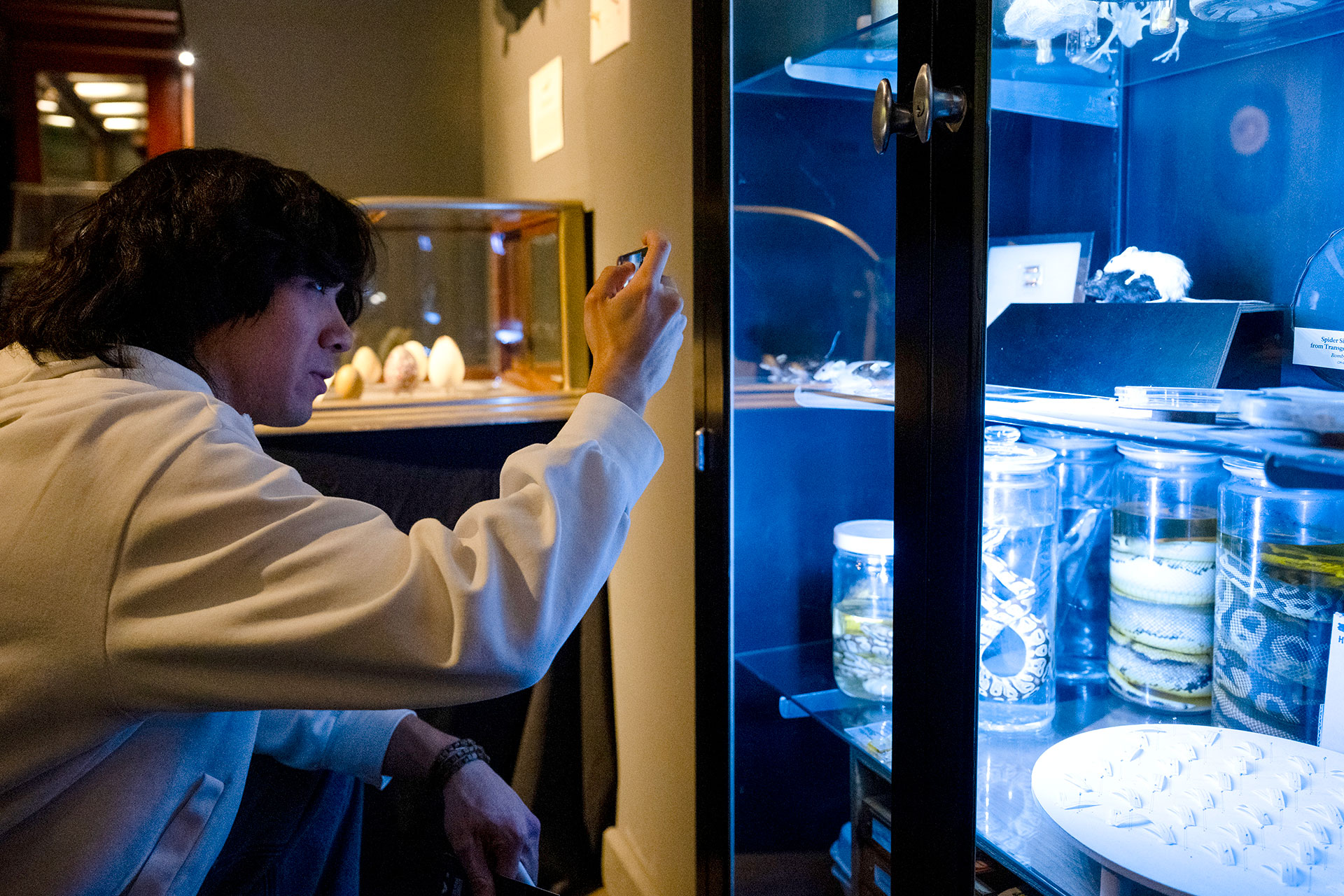
Professor Britt Ransom’s “Cabinets to Collections” class recently visited the Center for PostNatural History to study how collecting serves as artistic practice. Below, we break down some of the standout artifacts and insights from the tour, by the numbers.
5
Field Trips
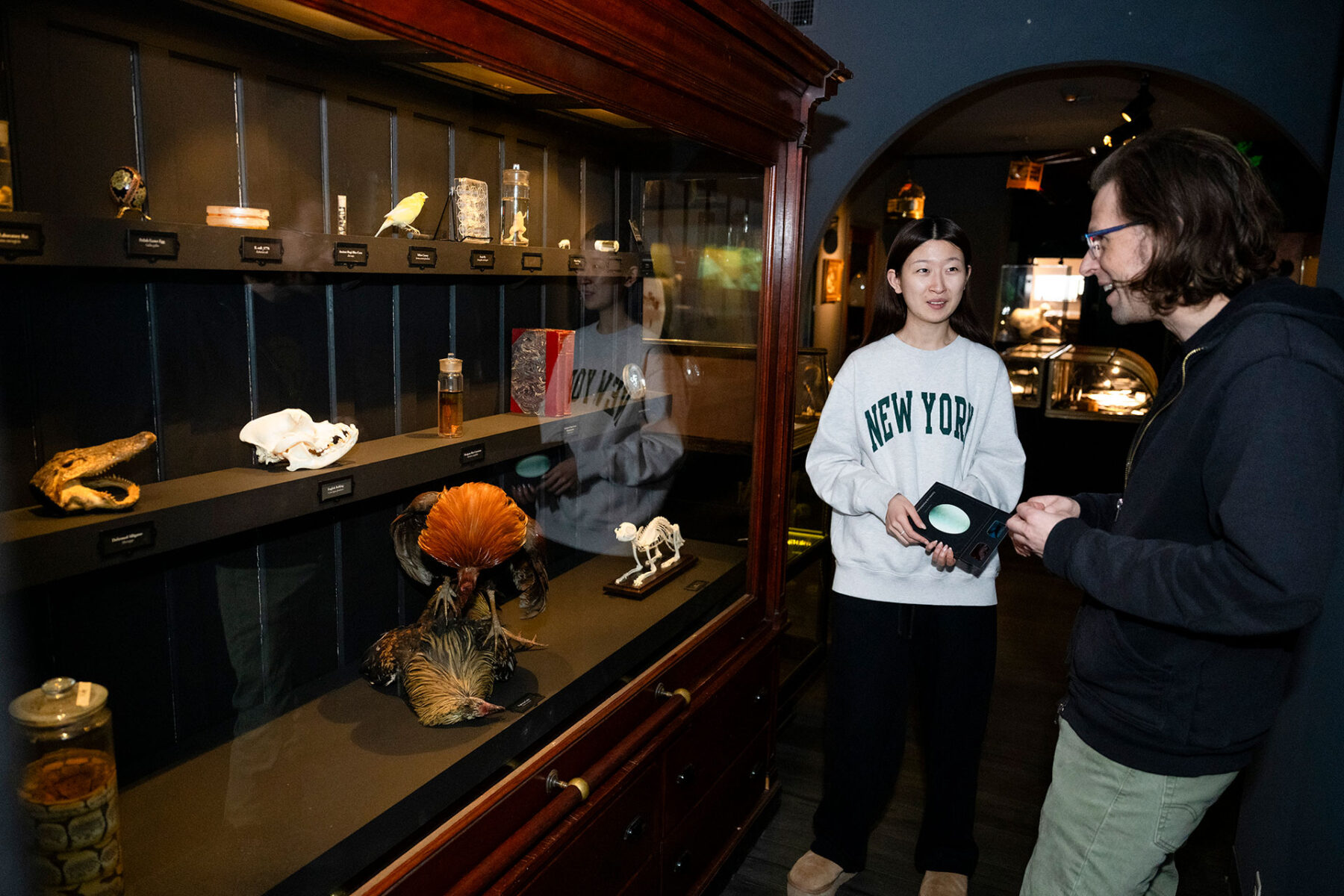
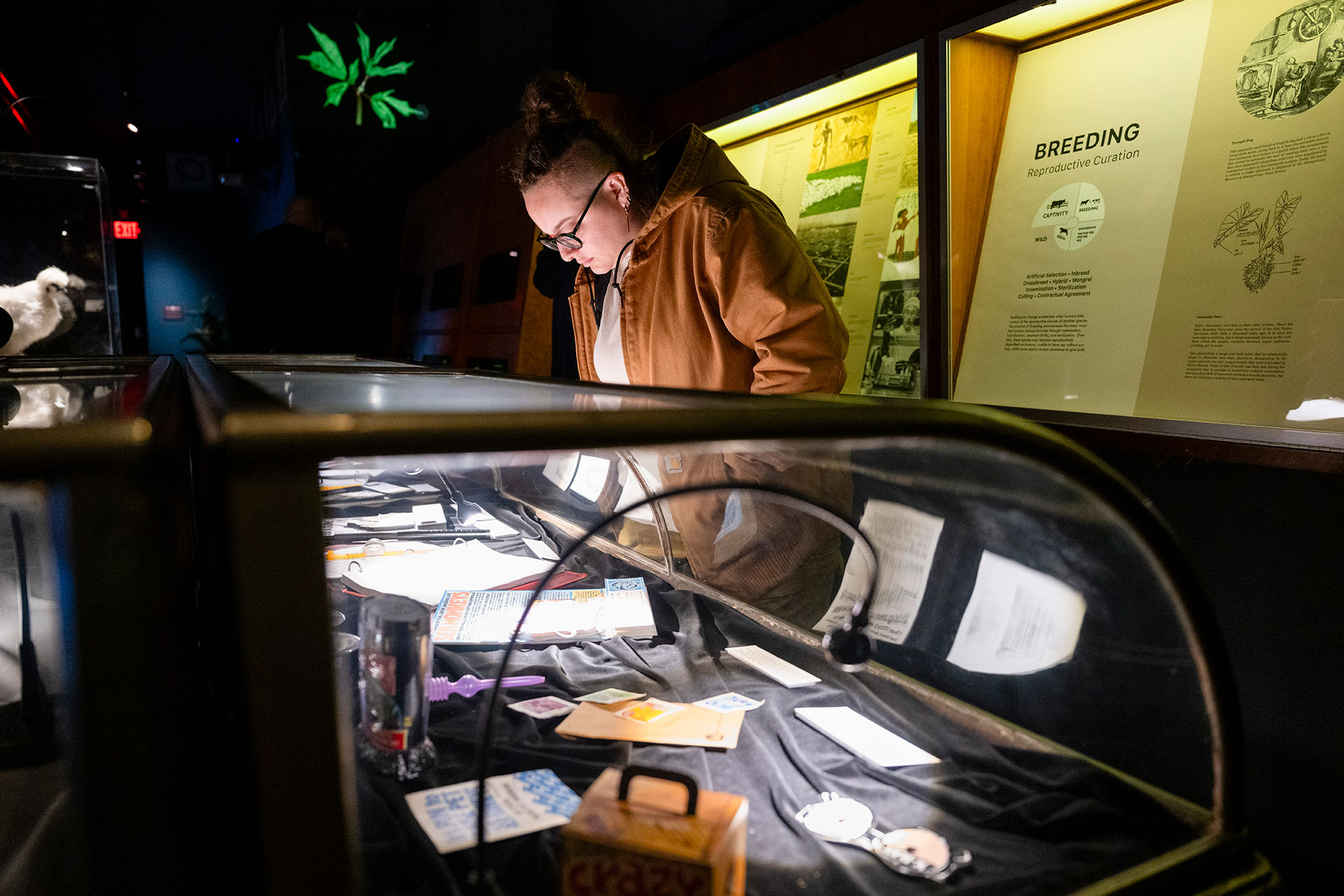
Focused on collecting as an artistic and research methodology, Professor Britt Ransom’s “Cabinets to Collections” class is visiting sites of unique collections across Pittsburgh this spring, including the Troy Hill Art Houses and the Bayernhof Museum. At Professor Rich Pell’s Center for PostNatural History (CPNH), students were treated to an artist’s perspective on how display strategies and taxonomies change the meaning of an object. “You turn the story over and over again to try to tell it in as many different ways as you can,” Pell shared. “If you have one thing that’s outside of the lines, it forces you to ask why?”
10,000
Years of Captivity
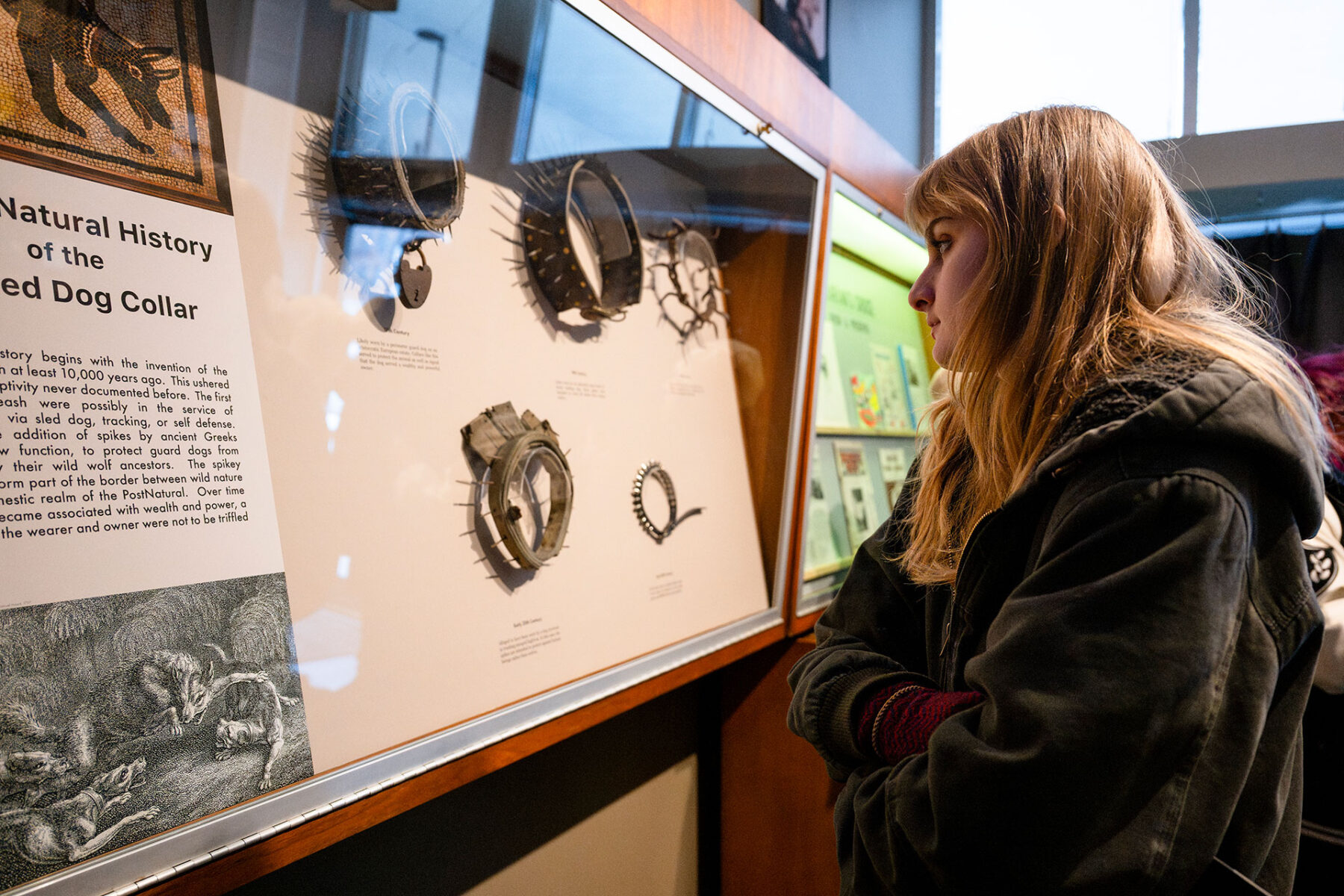
The museum’s newest exhibit, “A PostNatural History of the Spiked Dog Collar,” traces the invention of the collar and leash from its functional origins in Ancient Greece to its modern transformation into a symbol of wealth and power.
8
UFO Fragments
In the late 1960s, a CIA reconnaissance aircraft called the SR-71 Blackbird crashed in the desert of Wendover, Utah. Pell shared the story of this once-deemed “UFO” through fragments of the titanium wreckage now housed in the museum’s collection. “What surprises me is when I notice something that feels like it’s hidden in plain sight,” Pell said. “It’s not about just knowing lots of stuff. It’s about the art-ness of it, paying attention to things that other people aren’t seeing.”

147
Bird-Human Audio Recordings
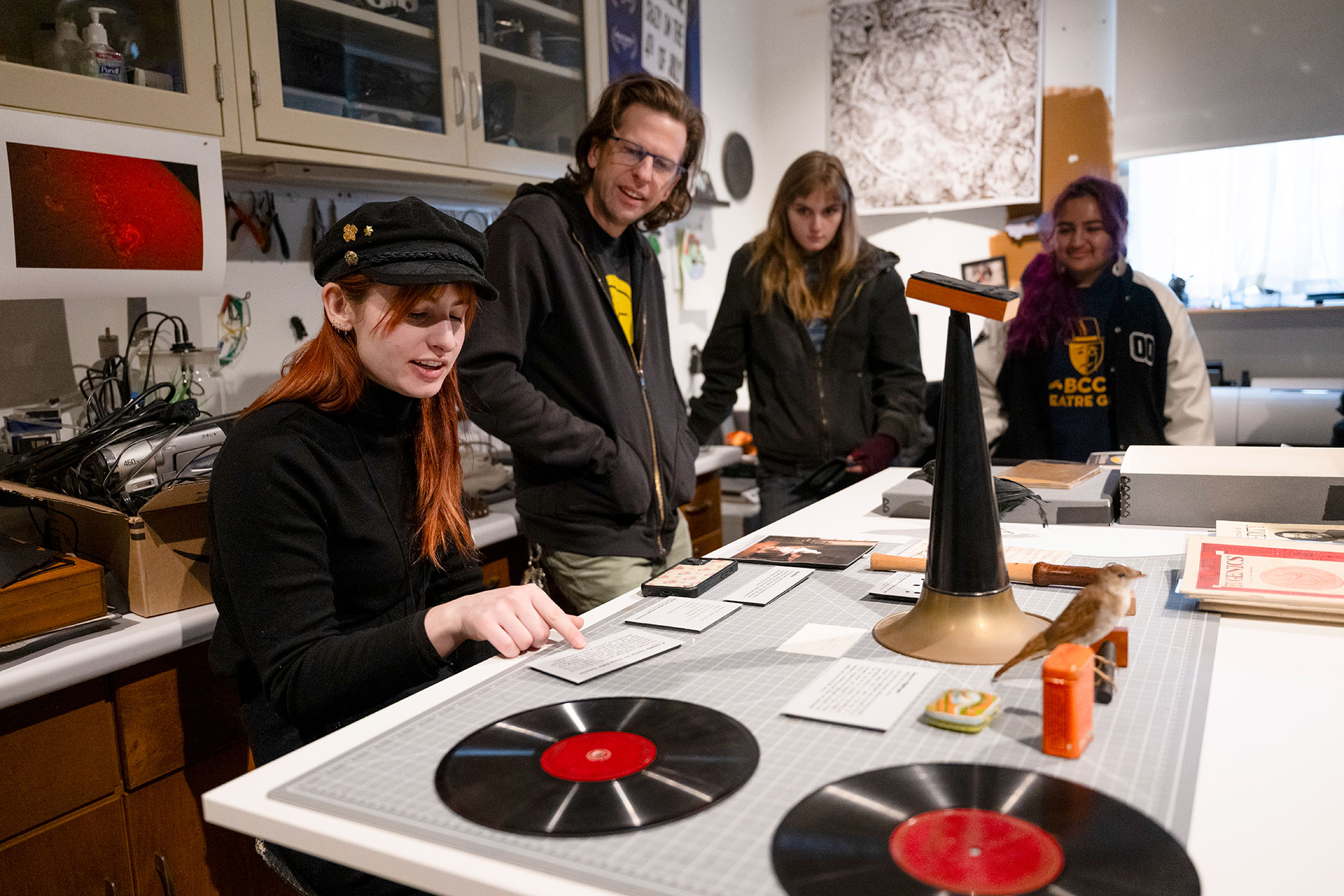
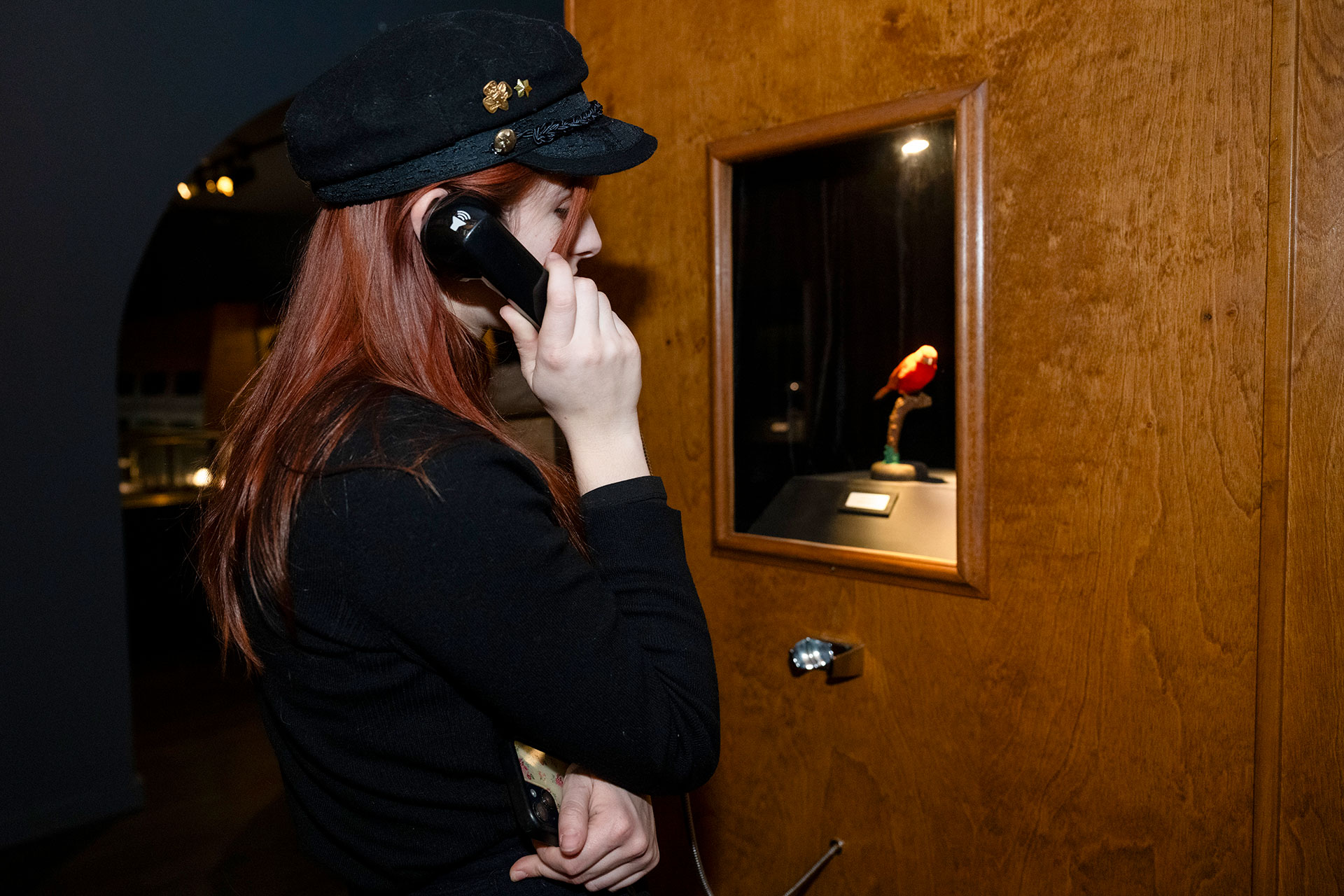
Inside a special listening booth, visitors can experience a collection of commercially sold recordings made between 1905–1942 of candid, captive, and trained birds, humans imitating birds, and virtuosic whistlers. The albums were collected and curated by Ian Nagoski of Canary Records and form the basis of CPNH’s upcoming exhibition.

2
Current Students
Two students in the “Cabinets to Collections” class, seniors Ava Polczynski and Scott Liu, have both worked as intern exhibition preparators at the museum. Their peers were able to experience the work they directly contributed to in a professional space. Junior Devin Gaichas also currently serves as a docent intern at CPNH.
300
Varieties of Hawaiian Taro
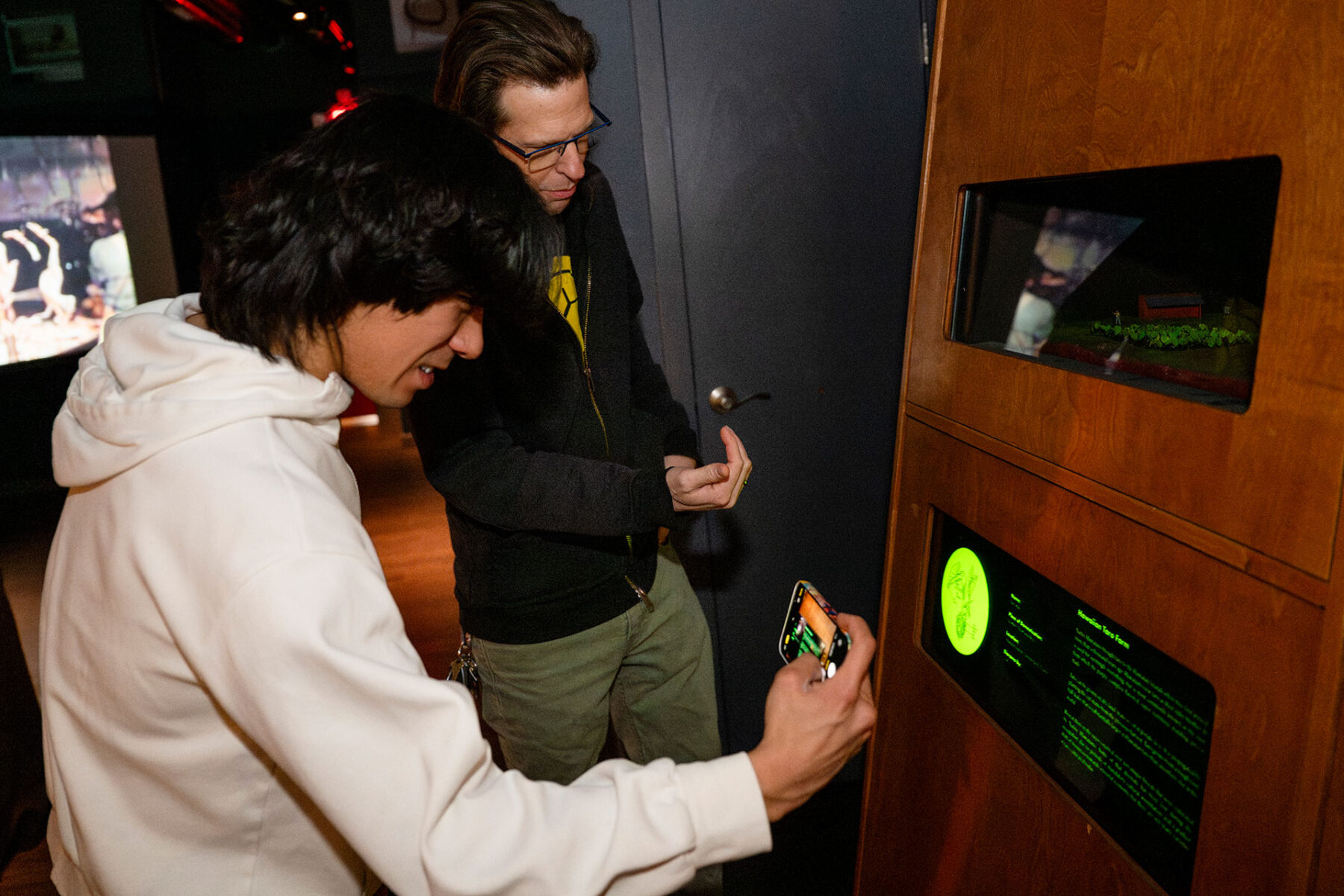
The class viewed a paper-and-wire diorama depicting a traditional Hawaiian taro farm, created by senior Scott Liu. The work was inspired by Pell’s own experiences as a student on Oahu in the 1990s working on a native Hawaiian family farm. Native Hawaiians brought taro to the Hawaiian Islands when they first arrived more than a thousand years ago, and while some diversity has been lost due to periods of mandatory cultural assimilation, many varieties are still cultivated today.
13th
Century
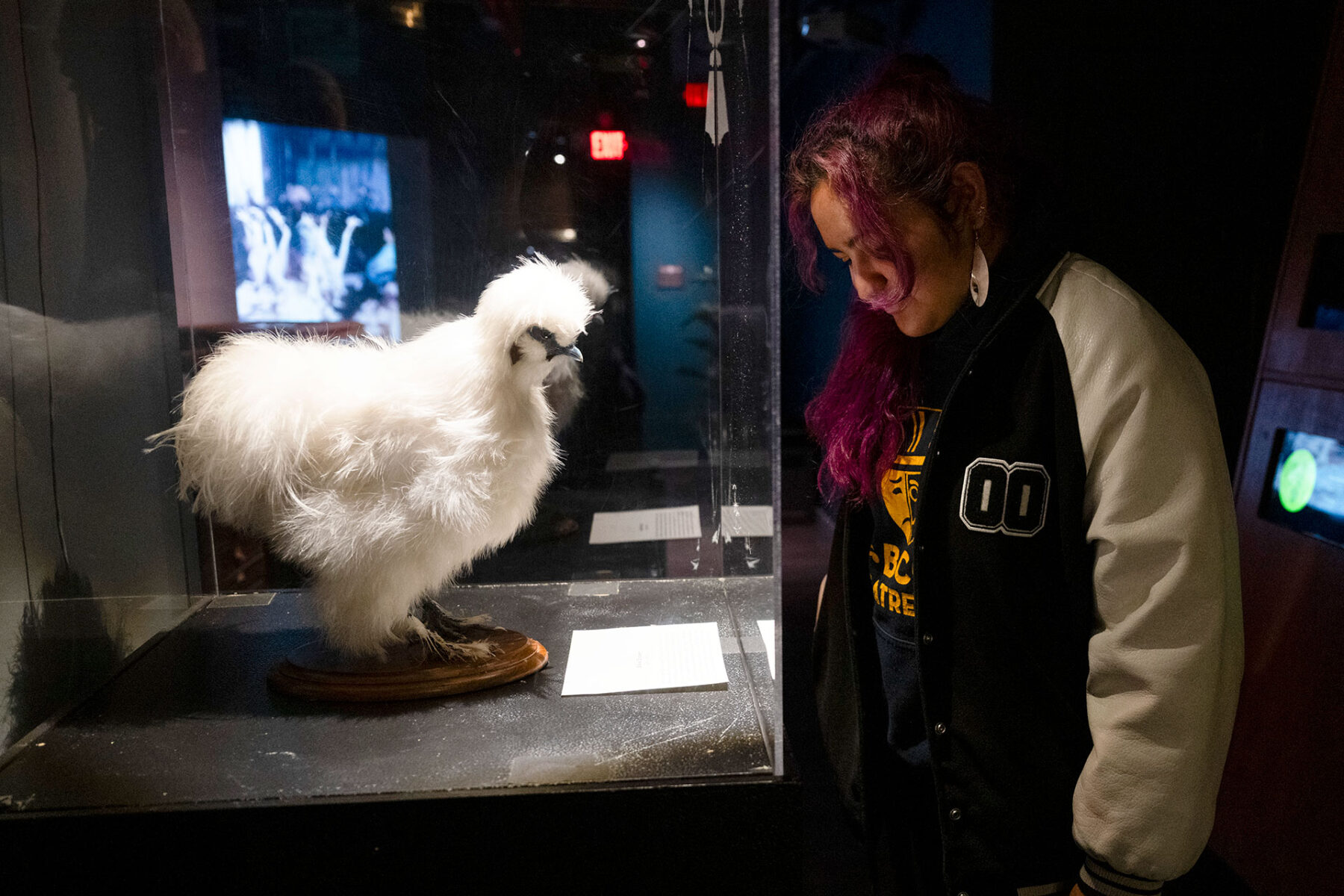
The Silkie Chicken, a breed documented by Marco Polo in the 13th century, represents a “PostNatural” organism bred entirely for its aesthetic “art-ness” rather than utility. Breeders were so seduced by the animal’s fluffy plumage and extra toes that they worked to preserve these recessive traits across centuries.
2008
Founding of CPNH
An alum of the School of Art, Pell founded CPNH as an organization dedicated to the collection and exposition of life-forms that have been intentionally and heritably altered through domestication, selective breeding, or genetic engineering. The museum is located in Garfield, a Pittsburgh neighborhood that is also home to several art spaces founded and run by School of Art faculty and alumni.