
In this Q&A, Elizabeth Chodos, Founder & Director of the Institute for Contemporary Art Pittsburgh, offers an advance preview of the ICA Pittsburgh’s next chapter, beginning with its September 30 public symposium. “How Can We Remake the Museum? An Opening Conversation” is being hosted by the ICA’s future neighbor, The Carnegie Museum of Art, and co-presented as part of the CMU School of Art’s annual lecture series. As the museum prepares for its new, purpose-built home within Carnegie Mellon University’s Richard King Mellon Hall of Sciences in 2027, the ICA Pittsburgh is exploring how it will bring together exhibitions, programs, and communities to build bridges between the university, the city, and the broader arts world.
Why are you calling this symposium “an opening conversation”?
Elizabeth Chodos: We closed the Miller ICA in the spring of 2024 and we’re opening the new building in the fall of 2027 (view a live construction camera here), so this intermediate stage is sort of a dream space. What can happen in imagining a new future when you really take seriously that we can build something from scratch?
We still have two years to think and imagine new ideas, so this symposium is a touch point within the research: a chance to share some findings and invite real-time feedback while we set the stage for the next questions. We’re not presenting final answers, but inviting the broader public into the research.
When you began imagining the ICA Pittsburgh, what questions shaped your early conversations?
EC: We really tried to think about what a contemporary art institution can be in this particular moment. We have an opportunity to relate to the current media and cultural-political landscapes, the trends within contemporary art and ideas that artists are dealing with, as opposed to replicating old forms and structures. Information doesn’t just move one way now, from authority to audience. It’s a two-way conversation, because audiences are used to interactivity and engaging with content in a fluid, natural way.
We were also thinking about the heightened consciousness around inequitable structures we saw during the pandemic and the blossoming of the Black Lives Matter movement — how institutions can metabolize those findings and embody them. Our conversations touched on all of that.
For this research, we have three main topics: hybridity — thinking about hybrid modes of working virtually and in person; entanglements — who we are to our communities, CMU, Pittsburgh, and the international art world; and the prefigurative — how institutions can be the change you want to see in the world and structurally enact those changes, so you’re pre-figuring a future you want to create.

“It made sense to bring in more voices and forge the institution through conversation.”
One of my hopes is that the new institution really engages with the social life of culture, that it’s a place where people feel comfortable being in conversation. I brought in Peter J. Russo’s consulting group Walk Together, and he brought in Sam Rauch. The three of us started talking about what this could be, and it made sense to bring in more voices and forge the institution through conversation.
We brought in directors of different contemporary art institutions, curators, and artists — people nationally, in Pittsburgh, and at CMU — who have thought creatively about institutional form and enacted different models. Institutional structure may be invisible, but it determines who gets opportunities, what’s shown, and how it’s contextualized.
How did all this thinking inform the ICA’s new visual identity?
EC: We wanted something approachable. Contemporary art, or even the idea of “Carnegie Mellon,” can feel elite or overly academic or make people uncomfortable. We wanted a look and feel that suggests something fun and welcoming while still being rich and complex. Our designer, Elana Schlenker, gave us a broad color palette so we can shift tones — serious and subdued when needed, more playful at other times. And it mattered to us that we hired a local Pittsburgh designer with a strong national reputation.
You’re also about to launch the Generative Museum. What is it, and how does it fit into this “dream space”?
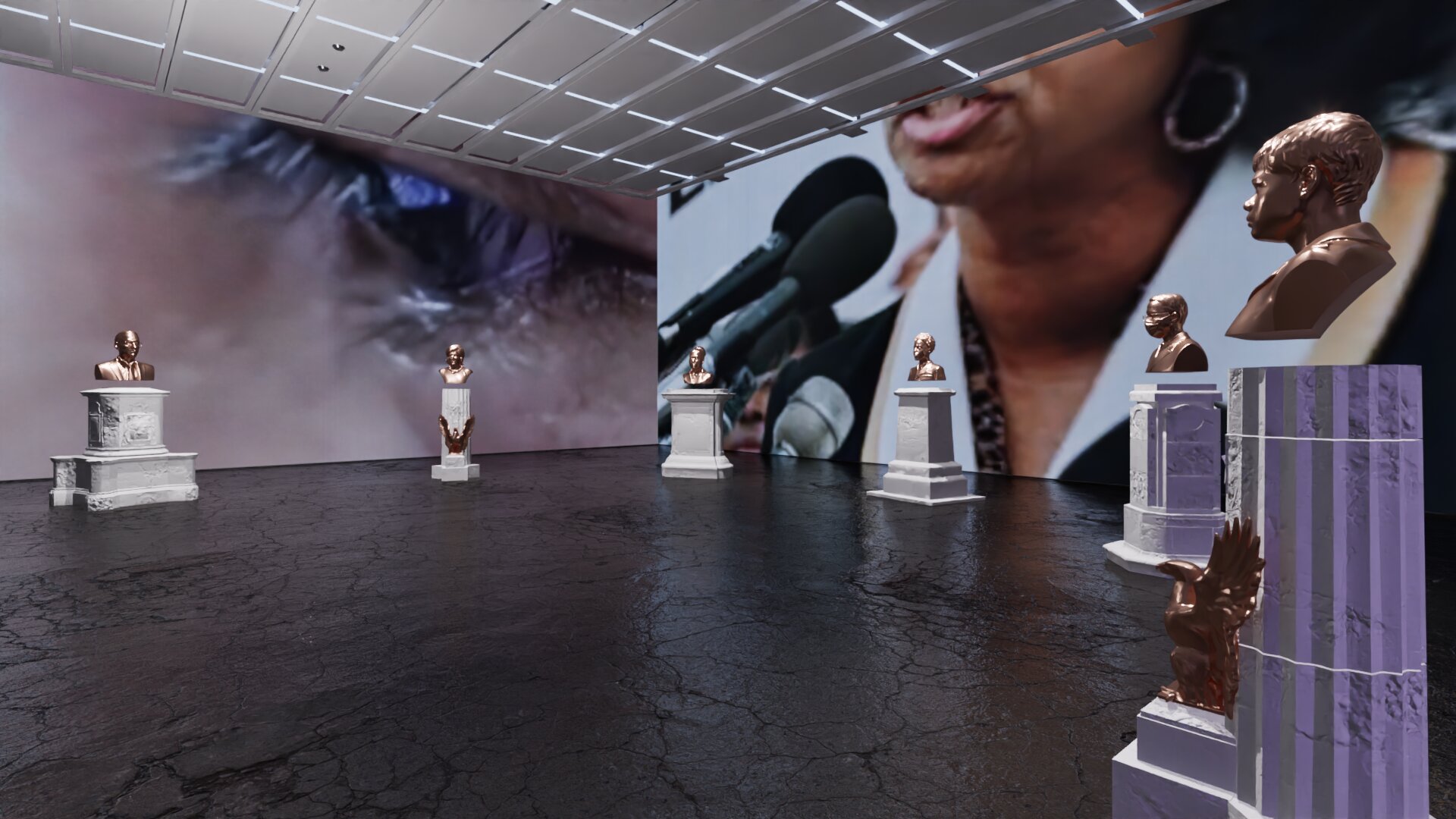
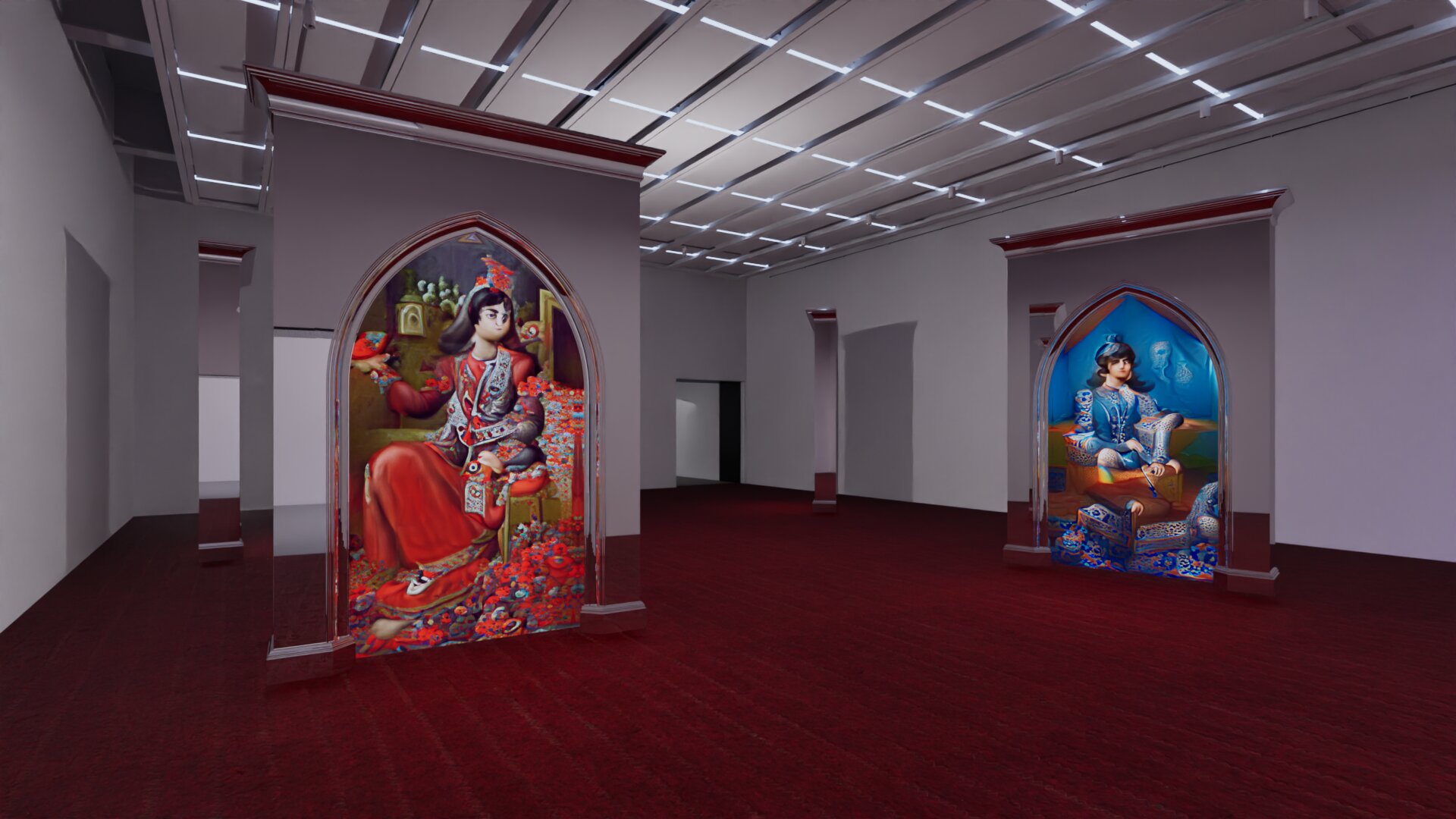
EC: The Generative Museum is a multi-layered project that opens our spaces to the public before the building even exists. Working with Peter Wu, from EPOCH, we created detailed renderings of the ICA Pittsburgh galleries that people can explore virtually. We really wanted to push ourselves to ask: what can happen in a virtual space that can’t happen in real life, and how can we use those possibilities creatively?
We partnered with KADIST, an international arts organization with a collection of about 2,000 pieces from more than 120 countries. They’ve thought a lot about how to use the power of AI to make their collections more accessible, so for this exhibition “Unseen Forces,” you can put in a prompt — “raindrops,” “the fall of civilizations,” anything — and it creates a private exhibition, just for the viewer, around that. We’re also adding about a dozen Pittsburgh collections, so there is a local tether to collectors that have let us into their homes to photograph artwork and add into the database. It’s called an exhibition, but really it is an animation of an archive that gives people agency in their viewing experience. One of the things that was really exciting to me about the project was thinking about the democratization of curating. I hope it shows how art can help you make meaning in your own life. That’s what contemporary art really is doing. It is helping us make meaning of contemporary life as it unfolds.
“That’s what contemporary art really is doing. It is helping us make meaning of contemporary life as it unfolds.”
 Rendering of forthcoming ICA Pittsburgh, in the Richard King Mellon Hall of Sciences, with scenography by EPOCH
Join us for the ICA Pittsburgh Symposium on Tuesday, September 30, at 5:30pm in the Carnegie Museum of Art Theatre. Register here.
Top image: Installation view of Ahmet Öğüt, Monuments of the Disclosed, with scenography by EPOCH, 2025