
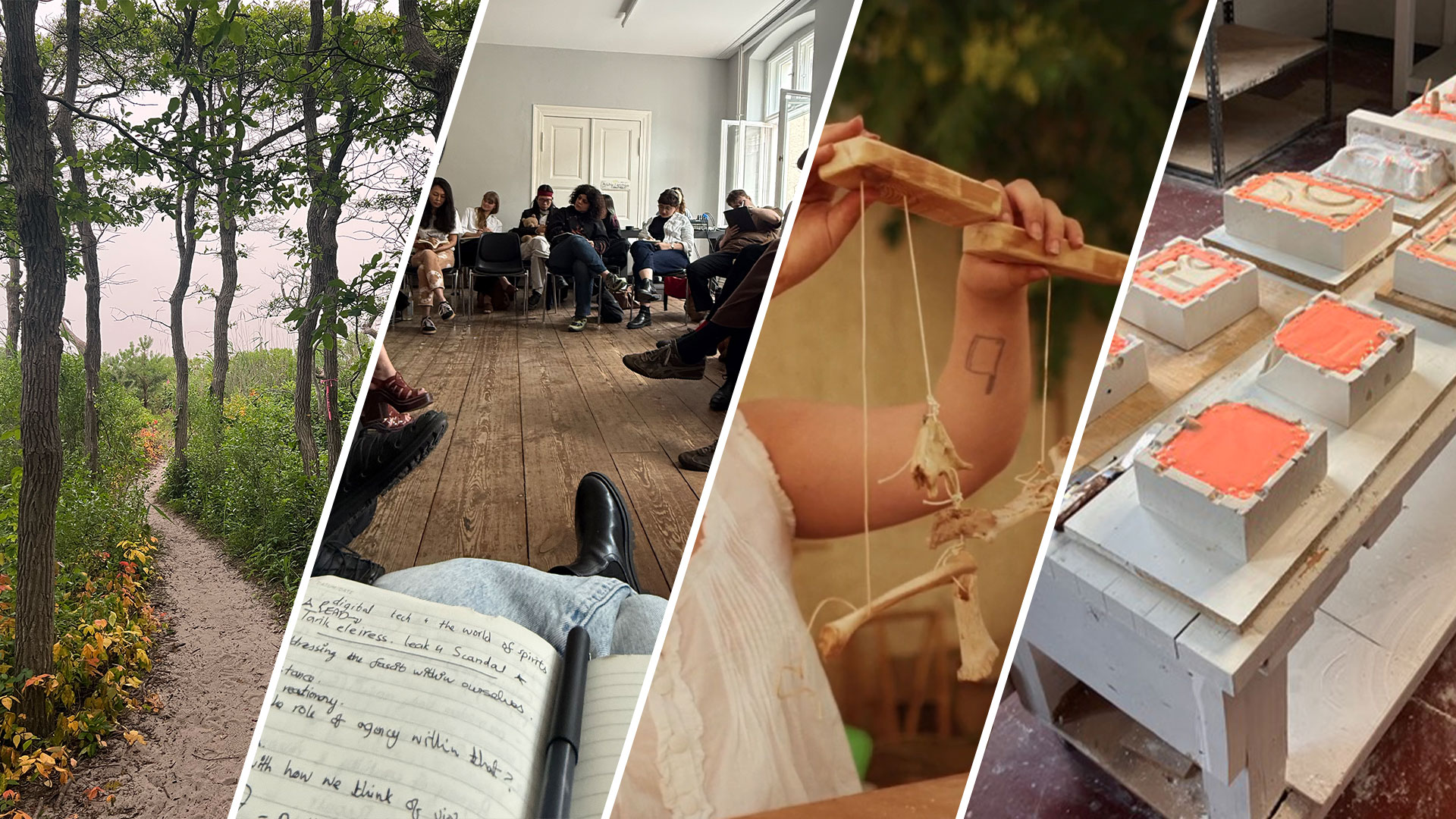
From Berlin to Fire Island, four Class of 2027 MFA candidates reflect on the summer residencies, intensives, and workshops that set the stage for their culminating thesis year.
Where did you spend your summer?
Aleena Akbar Khan: I participated in the Saas-Fee Summer Institute of Art in Berlin, which is a nomadic summer intensive with sessions taking place in different cities in the world every summer. This year, the school explored how the rapid development of digital technologies, particularly AI, is reshaping the way we understand ourselves as contemporary subjects through lectures, workshops and guided exhibition tours. The program also focused on how artists can respond to these shifts through different aesthetic and artistic approaches.
Anne Chen: I went to Penland School of Craft in North Carolina, where I took an inlay workshop, and to the Greek island of Crete for a bioplastics residency. At Penland, I made increasingly ambitious attempts at combining different woods, materials, and images. I made a small step stool with raised polka dots and a giant toothbrush inlaid with a real toothbrush. Then, in the small mountain village Anogia on Crete, I foraged cuttlefish bones from the beach and used them as molds for casting metal, collected goat bones with a shepherd to make a marionette, cast snail shells in aluminum, and felted a cat bikini out of sheep’s wool.
Logan Larsen: I spent the month of July as one of four artists in the Fire Island Artist Residency, where I spent my time trying to talk my way into people’s homes. I wanted to find fragments of theater sets built into the walls of historic houses in Cherry Grove and the Pines. These theatrical remnants, allegedly brought by the early thespians who helped establish the island’s artistic community in the 1930s and ’40s, were mentioned to me through a whisper network of queer mentors who’ve (allegedly) seen them firsthand. Despite repeated allusions to their existence, I wasn’t able to find any trace of this history online, so I had to be on site, building relationships with homeowners and local renters to gain access to these spaces.
Morgan Shankweiler: I am one of three artists in residence at the Children’s Museum of Pittsburgh for the 20th anniversary edition of the Tough Art program. The residency combines on-site prototyping with visitors (children and parents) and the creation of an interactive work for display at the museum. Look for the exhibit in November!
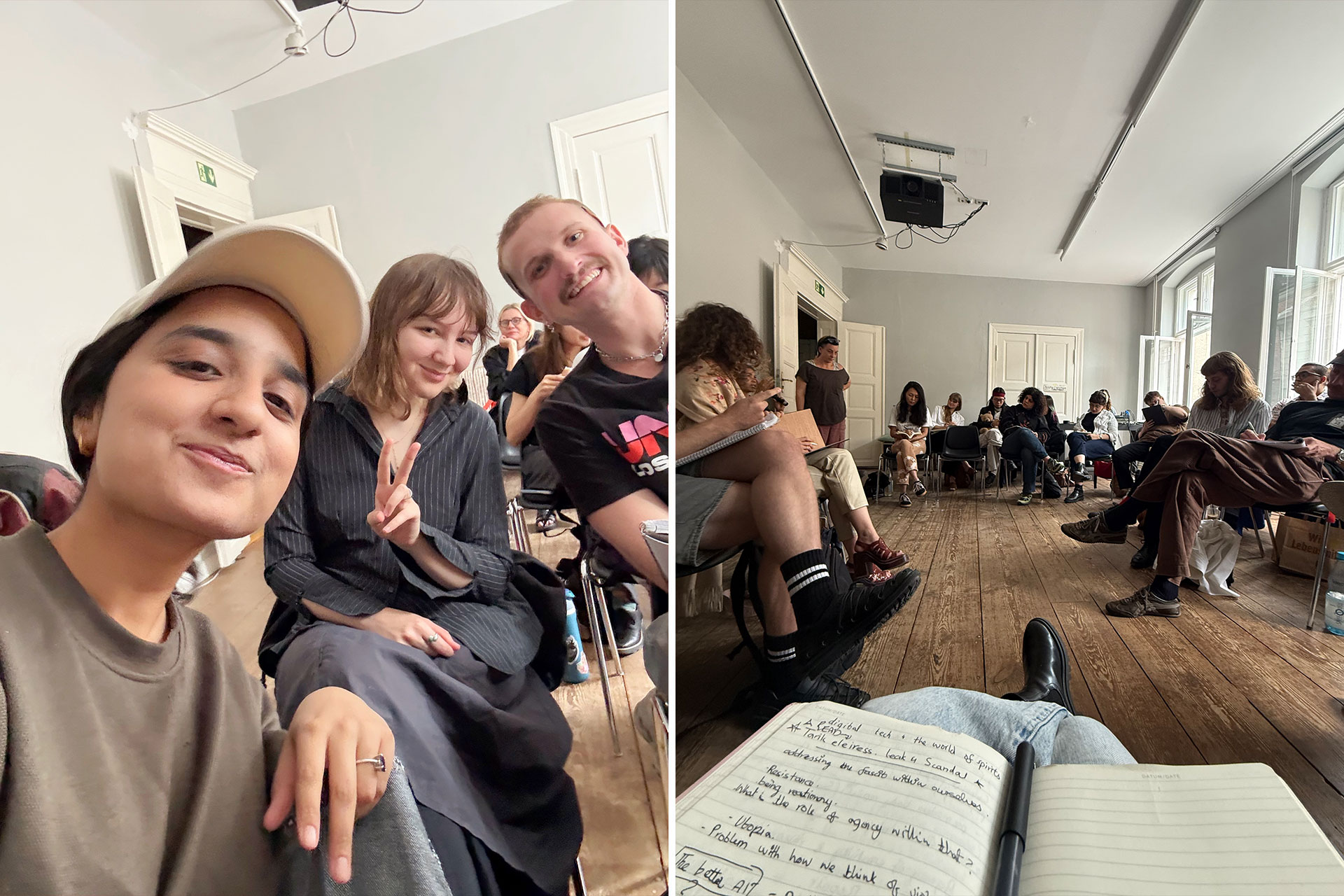
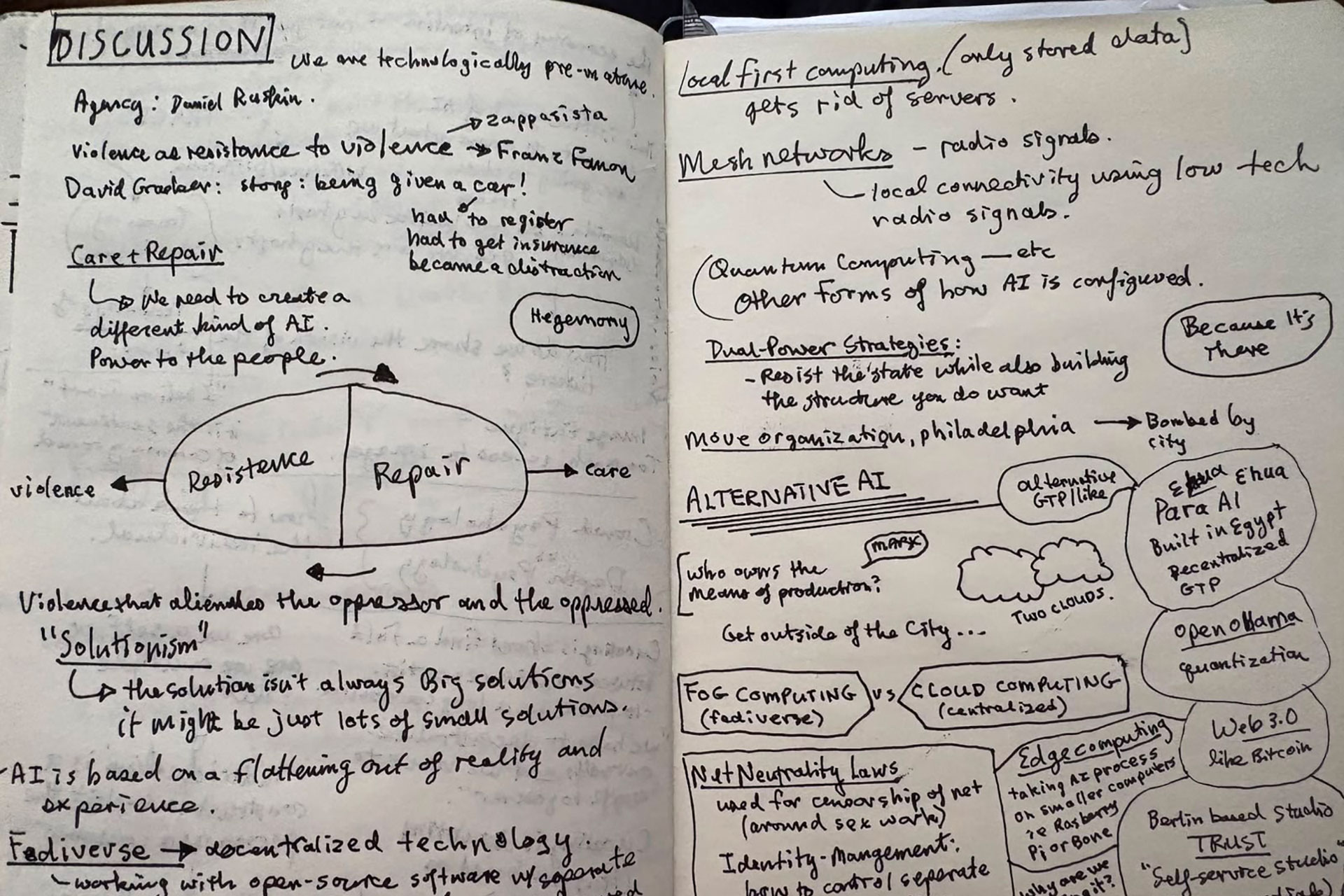
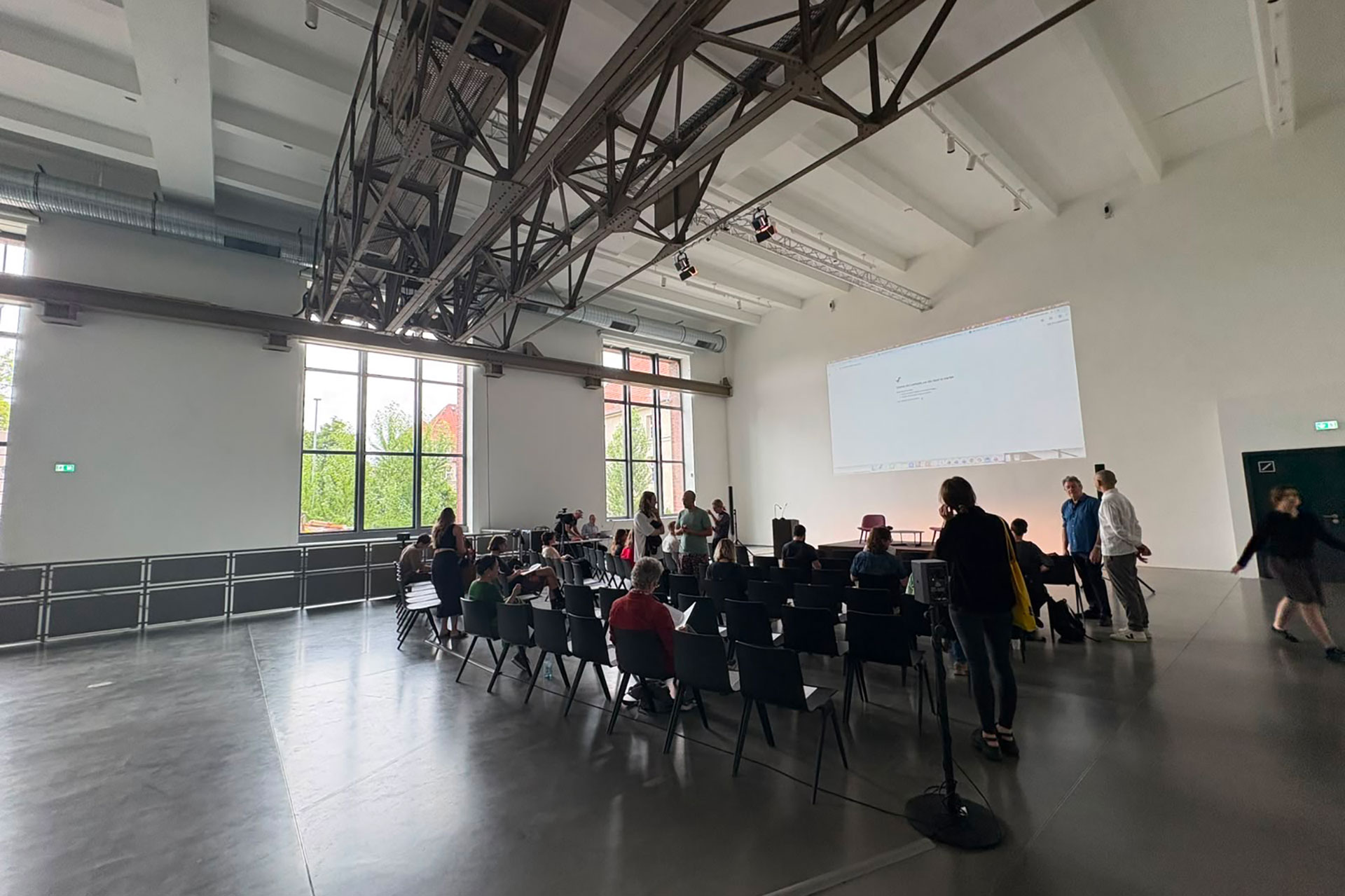
Aleena Akbar Khan (MFA ’27) at the Saas-Fee Summer Institute of Art in Berlin
How did the experience expand your art practice?
Aleena Akbar Khan: I had the pleasure of being immersed in a truly interdisciplinary environment, with artists and cultural practitioners, philosophers and software engineers all in the same room. I had so many takeaways from the visiting faculty lecture series, such as from art critic David Joselit and artist collective Claire Fontaine, where there was a dynamic exchange between the history of thought, digital technology and contemporary art.
Anne Chen: Both experiences pushed me toward learning through materials. At Penland, I entered with some suspicion of craft traditions that prioritize precision, restraint, and obedience to the material. Crete pushed me in the opposite direction. I became more opportunistic and experimental in the face of more rigid facilitation, following materials as I encountered them. The experience reminded me that I don’t always need to know what something will become before I begin.
Logan Larsen: I’ve researched Fire Island from a distance for over a decade, reading poetry and fiction set in this place and looking at works made by artists who spent time here. I was interested to see the ways this image I had constructed did and didn’t hold water. The residency is not exclusively geared toward “making,” and the emphasis was more on research and becoming embedded in this place, so I had to challenge myself to take on a slower pace of life and open myself to the ways the island forms time.
Morgan Shankweiler: My work for the Children’s Museum turned out to be a good bridge between work I was making prior to graduate school and the work I am making for my thesis. It is always energizing to work with children — they are fresh and surprising — and I was able to utilize new mold-making skills in the creation of components of the piece.
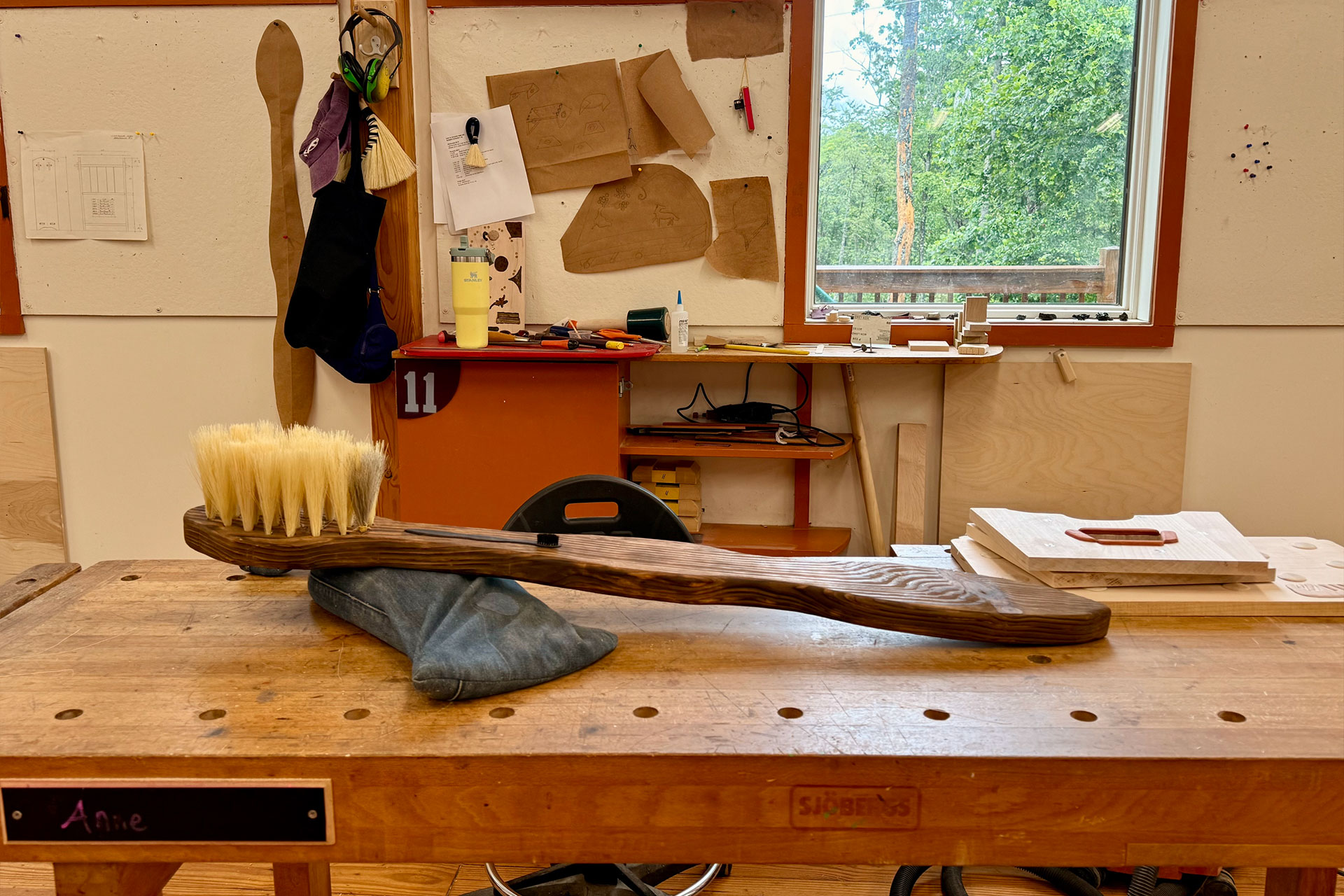
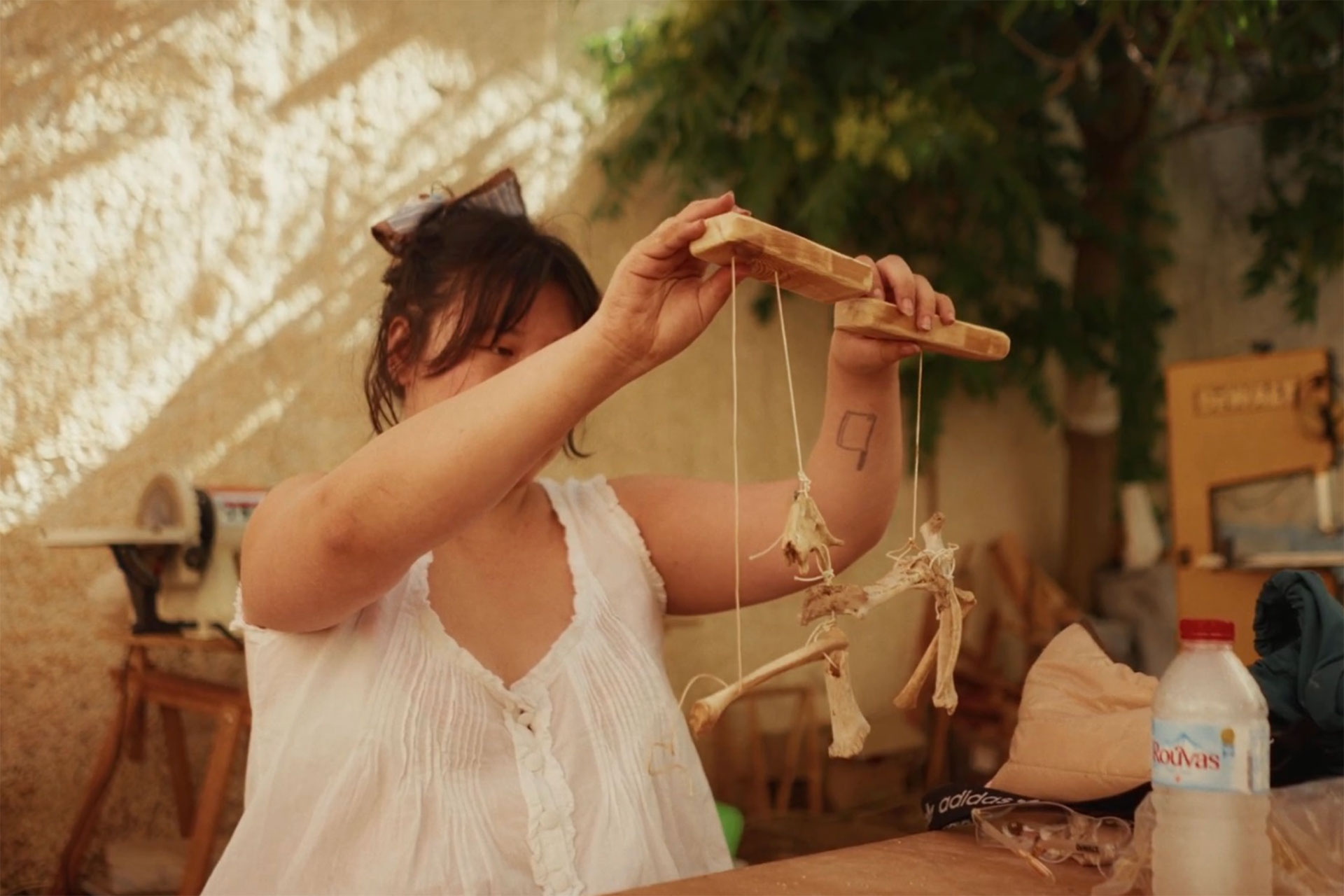
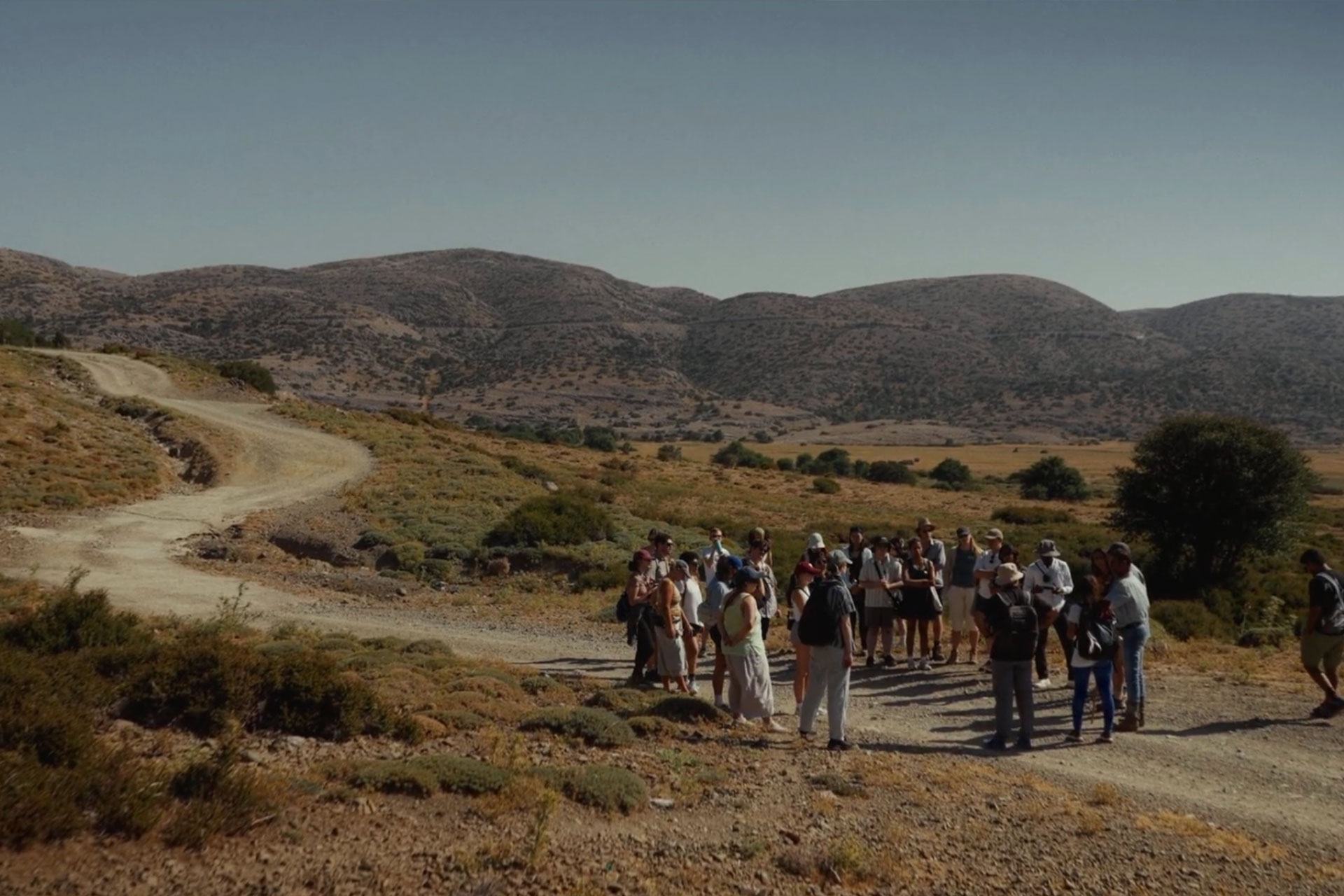
Anne Chen (MFA ’27) at Penland School of Craft and on the island of Crete
What was one of your favorite moments there?
Aleena Akbar Khan: In the group discussion seminar led by my fellow participants, we were thinking with the revolutionary, decolonial thought of Franz Fanon and Achille Mbembe about how we can counter the violence of imperial technologies at an individual level. Repair and modes of resistance in creative practice, political activism, and technological hegemony were the key themes throughout our conversations, where we bonded over our shared questions and concerns.
Anne Chen: Attending a genuine (big fat) Greek wedding, where tables stretched through the streets, and thousands of people gathered to feast on lamb and watermelon.
Logan Larsen: The Cherry Grove Community House and Theater is a barn theater that was floated over the bay in the late 1940s. It is one of only three places recognized on the National Register of Historic Places for their seminal importance to LGBTQ history, as it is the oldest continuously operating queer theater in the United States. I got to spend an afternoon poking my head into the dark spaces and sifting through props and fragments of set pieces from previous performances. The residents also gave artist talks in the space and got to sign the dressing room wall, which is covered with the signatures of previous performers spanning the past seven decades.
Morgan Shankweiler: The best part of this residency has been learning from and trouble-shooting with the amazing artists who run and build the exhibitions at the Children’s Museum. These are people who take children and play as seriously as I do — such great company!
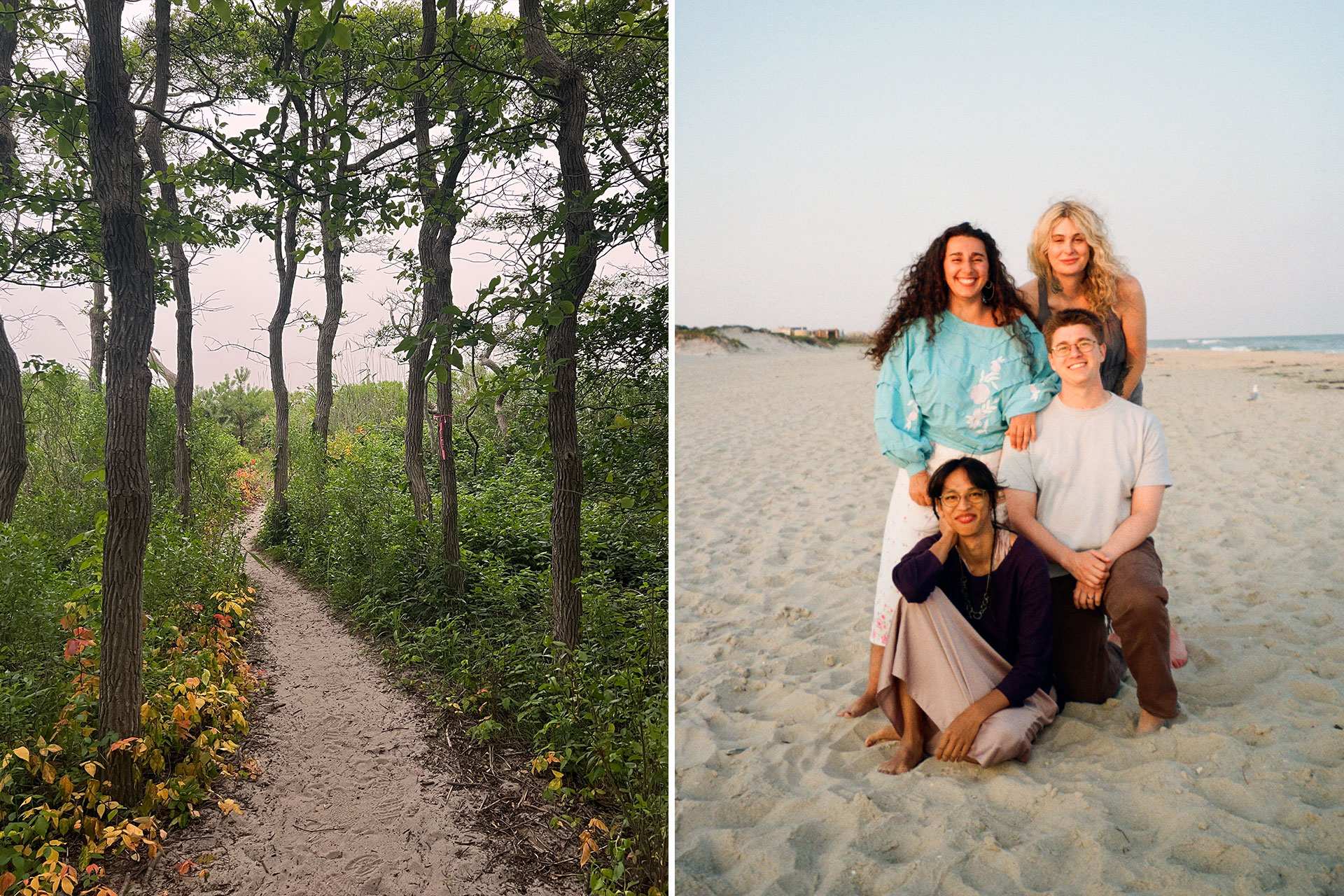
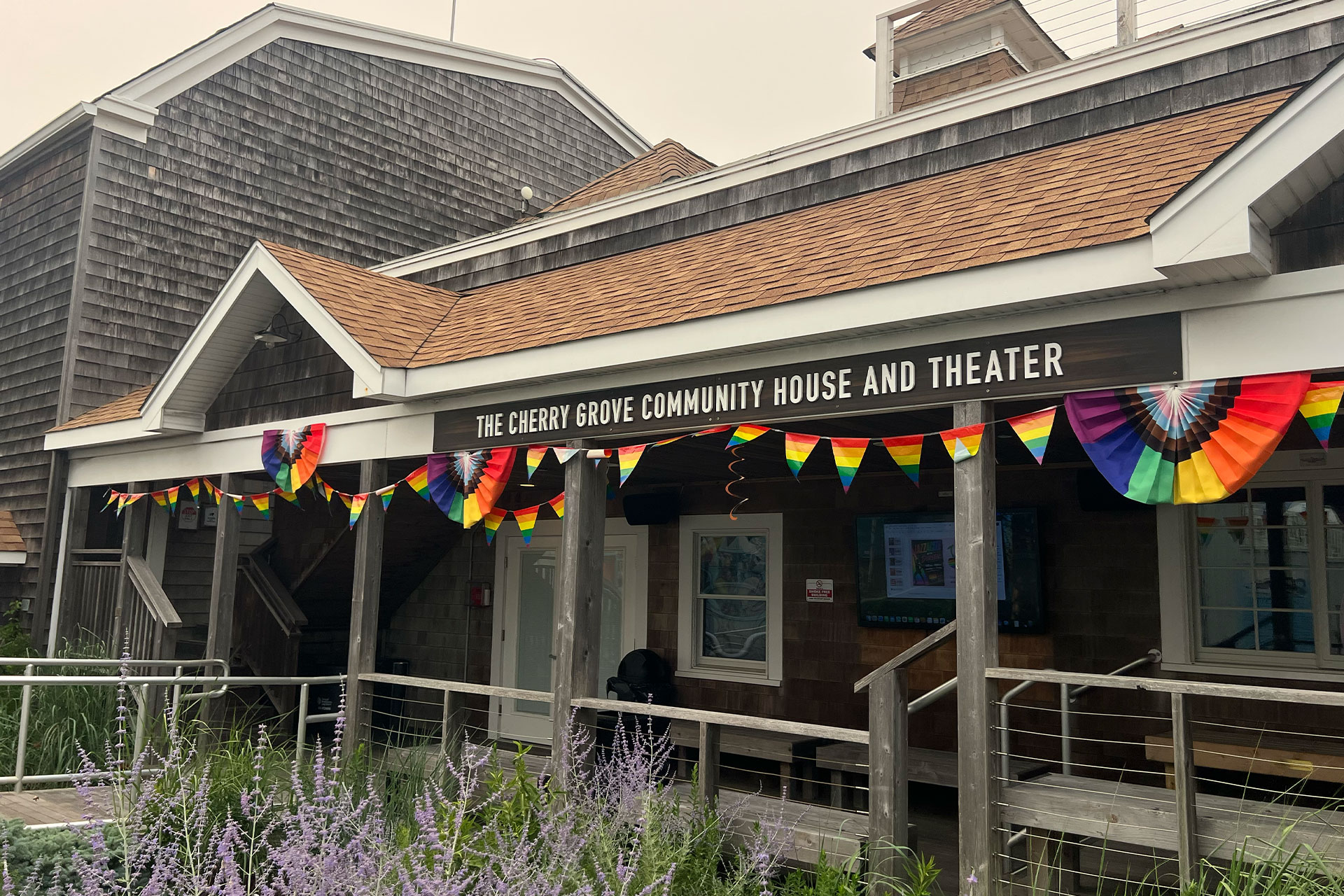
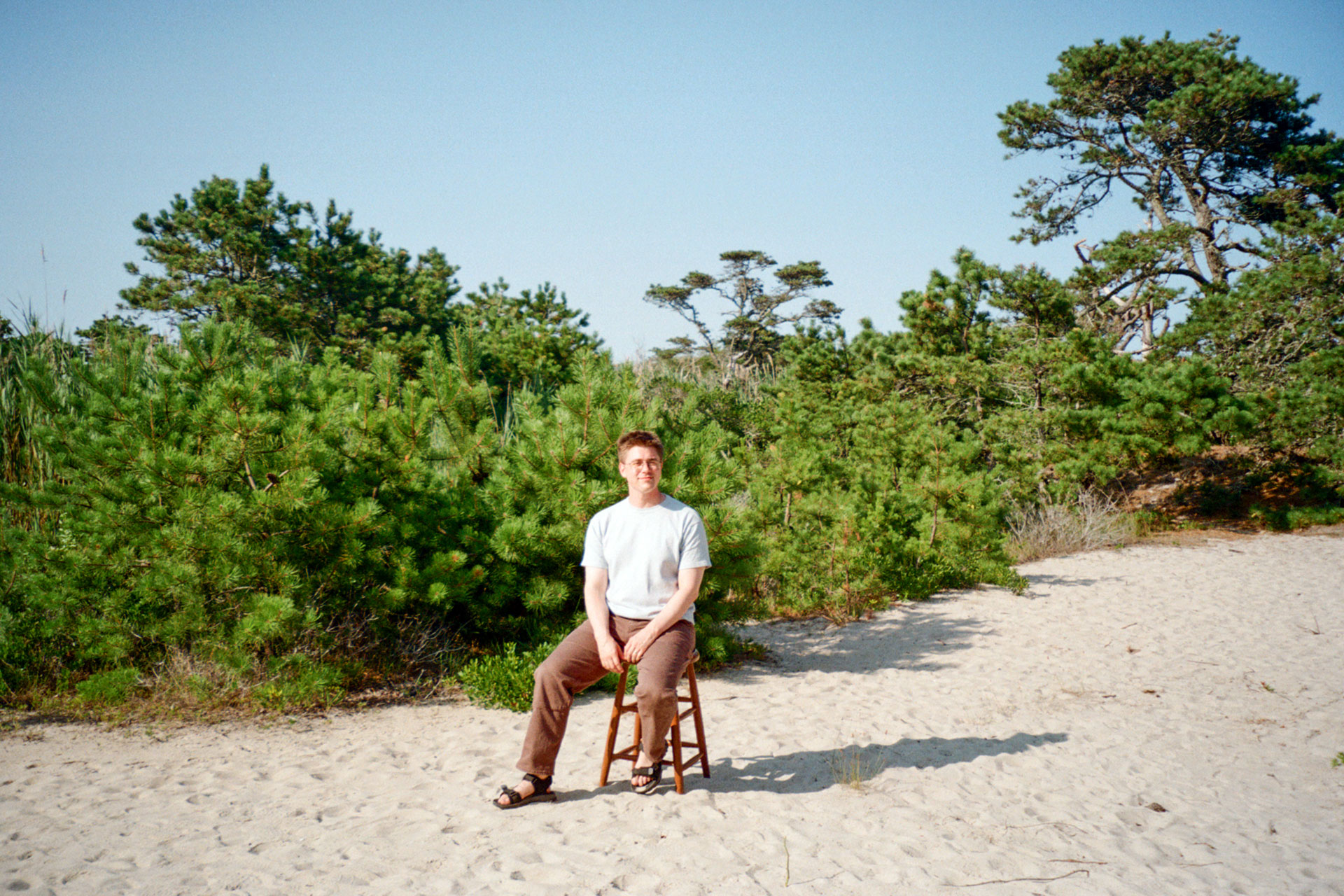
Logan Larsen (MFA ’27) at the Fire Island Artist Residency. Photos 1 (right) and 3 by Sunny Leerasanthanah
What are you looking forward to about being back in your studio?
Aleena Akbar Khan: I am grateful to have spent my summer learning and laughing with the amazing faculty, staff, and fellow participants at Saas-Fee. I am happy to be back in my studio in Pittsburgh where I have the quiet time to focus on my practice. The experience really gave me the language to contextualize so many of my own concerns around the history of digital technologies.
Anne Chen:I’m excited to bring back everything I learned this summer—the inlay, woodworking, metal casting, felting, bioplastics, and whatever else I picked up—and figure out what happens when I can use those techniques without having to follow anyone else’s rules about what they are supposed to be for. Back in my studio, I’m looking forward to letting all of those experiences collide with my own instincts. I can make it precise or messy, functional or useless, restrained or maliciously overdecorated. I’m back in my studio, where nobody can tell me I need to use a ruler.
Logan Larsen: The residency was hosted in a home in Cherry Grove, and we all made room to work in the large living space of the house. Being so remote, I didn’t want to make anything too large, so I have many ideas I’m excited to dive into now that I’m back in my studio and have access to facilities like the woodshop and printshop. I spent every day walking through the Grove and the Pines, taking photographs and making rubbings of different sites that I hope to incorporate into upcoming works.
Morgan Shankweiler: I’m looking forward to Monday nights in the studio with my daughters. We are learning and making and thinking through the world together towards my thesis and that is the best kind of play.


Morgan Shankweiler (MFA ’27) in the 20th anniversary edition of the Tough Art program at the Children’s Museum of Pittsburgh