


To step into “Gentle Madness,” senior and Frame Gallery Director Jocelyn Harte’s recent solo exhibition on April 3-5, was to enter a space that felt simultaneously ancient and immediately personal.
By Amelia De Leon
Born in Iowa City, Iowa, Jocelyn Harte was raised by a Russian mother who introduced her to a world of deep aesthetic appreciation, serving as both art historian and guide. “My mother taught me the basics: time periods, backstories, the distinct choices artists make,” Harte says, not to mention the references she sources from her father, a former history teacher and talented photographer.
It was her mother’s late-night advice and one of her sketches that inspired the show’s most striking feature: a red paper tapestry anchored behind a ceramic sculpture. The intervention was a way to ground several small-scale sculptures and drawings throughout the gallery, creating a visual balance against the pure white of the space. Red is a recurring motif for Harte, appearing as a singular dot or a bold line, a symbolic weight she acknowledges as the soul or heart within her compositions.
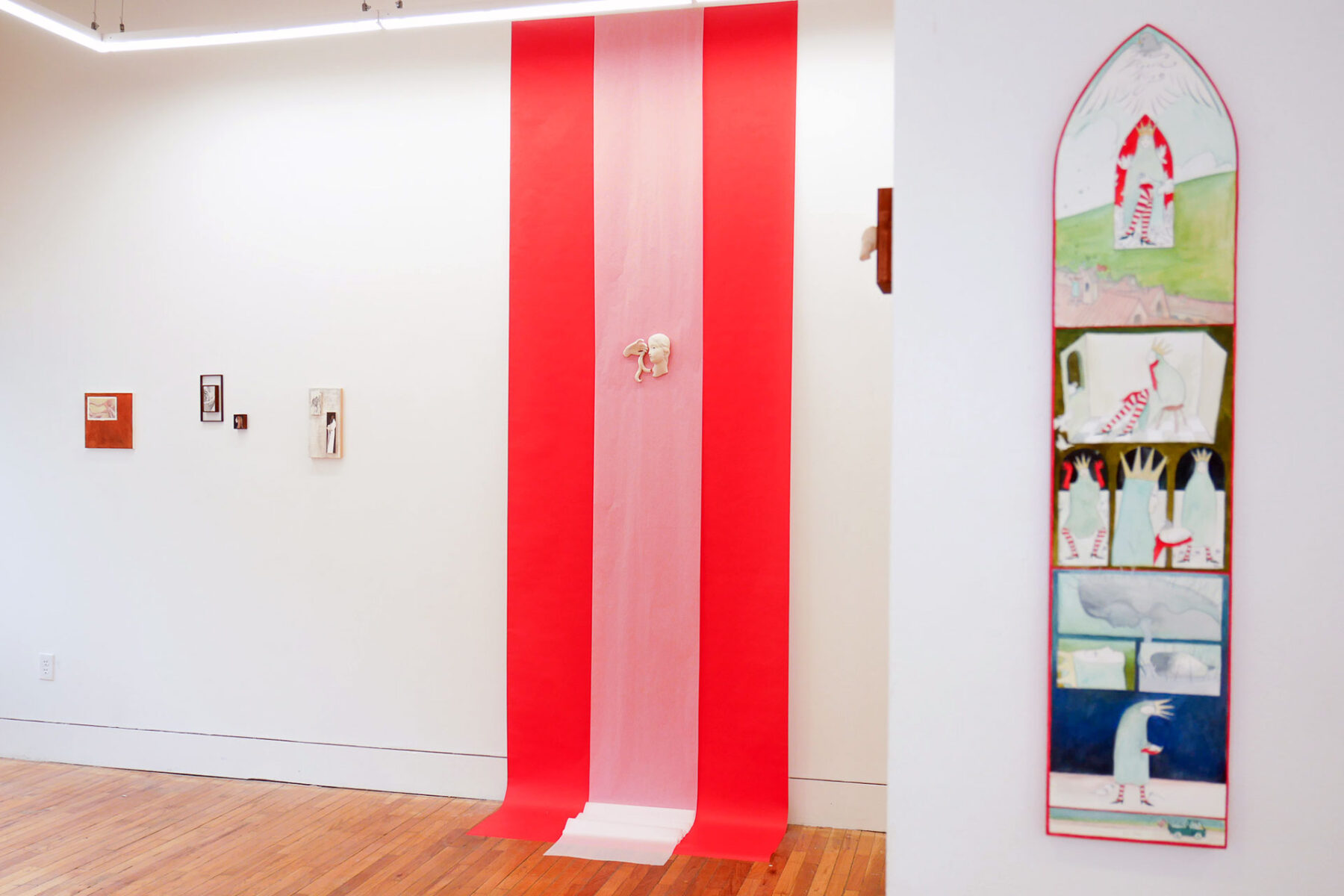
Harte describes herself as being “consumed by timeless beauty,” a sentiment evident in her choice of media. She engages in a dialogue with history through egg tempera, bookbinding, ceramics, and graphite. This multimedia approach allows her to treat her subjects — often statuesque, graceful figures — as living artifacts. Her work is a unique fusion of high-art tradition and personal spontaneity. While her lines are informed by the Etruscan and Renaissance art, they are born from her own film photography, travel sketches, and even her dreams.
“I just want to consume as many images as I can and see what draws me in naturally,” Harte explained. “The past was a beautiful, but formidable, force. My work is a modern spin on things.”
Harte’s work is heavily influenced by her travels and her deep dive into niche corners of art history. She speaks with particular passion about Etruscan art, the pre-Roman civilization known for its lively, less rigid style, and the Medieval period, which, “to me feels very contemporary,” she said. “They really cared less about accuracy and it was more free and a little silly. I like when you could tell an artist wasn’t considered very good.”
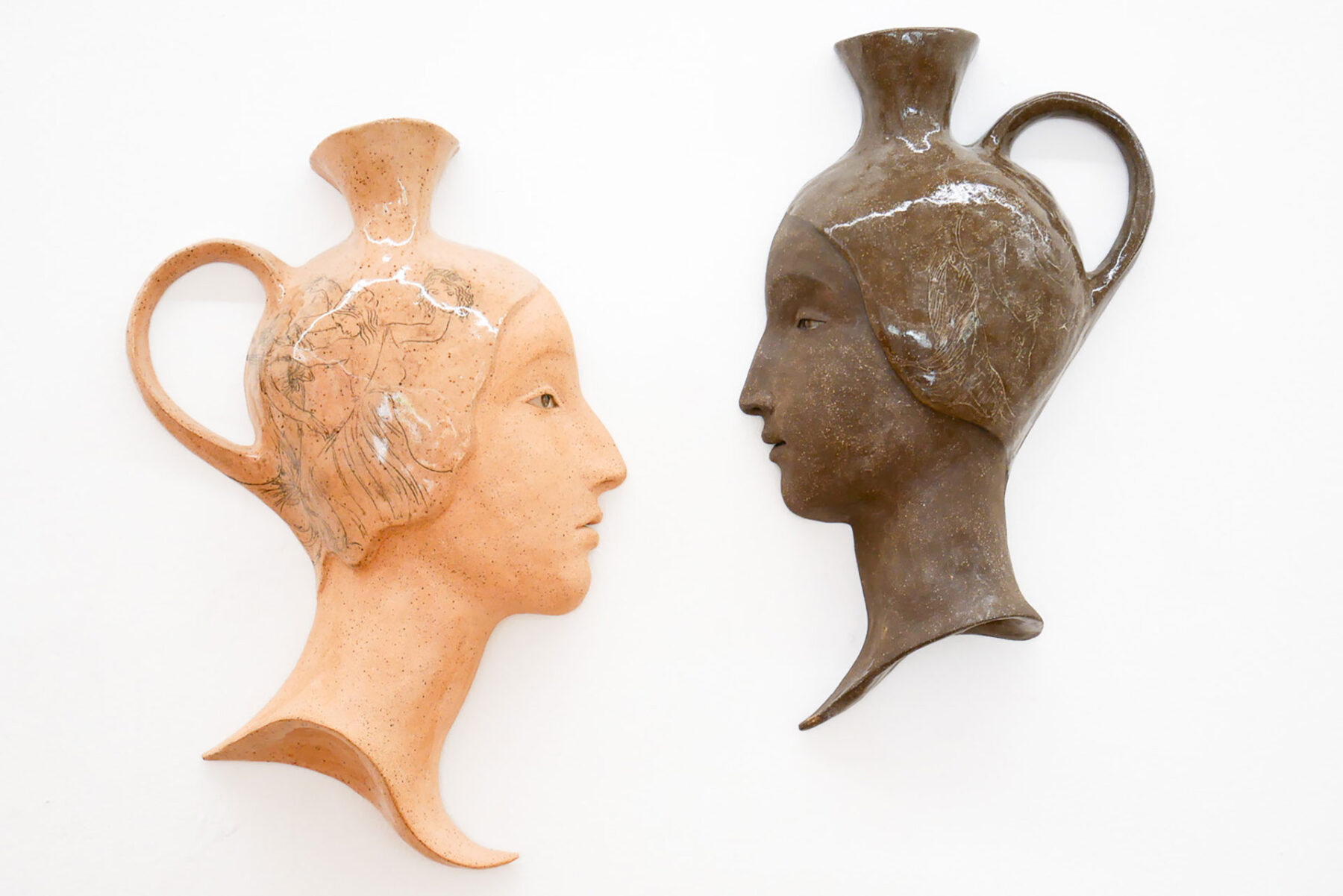
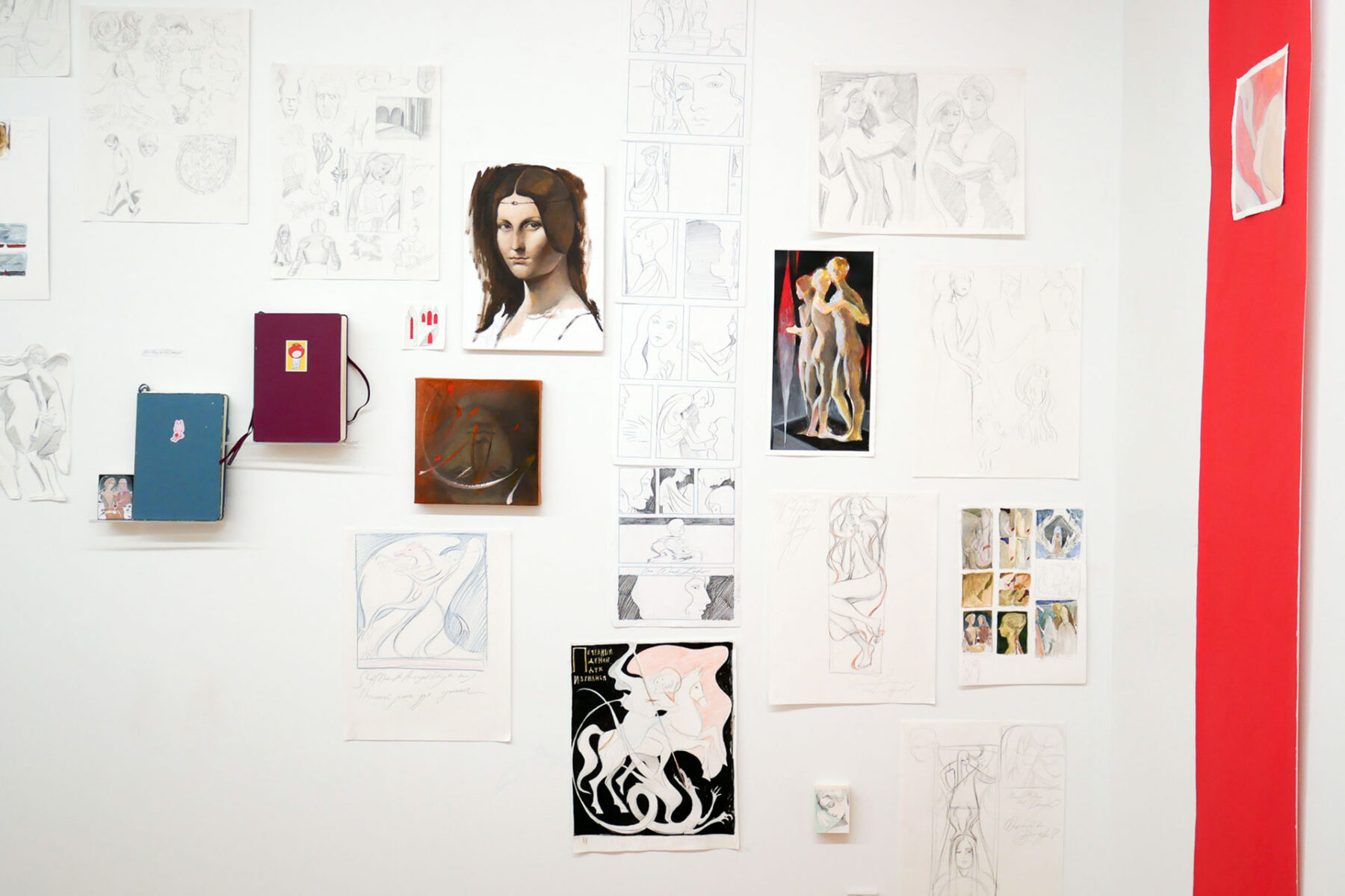

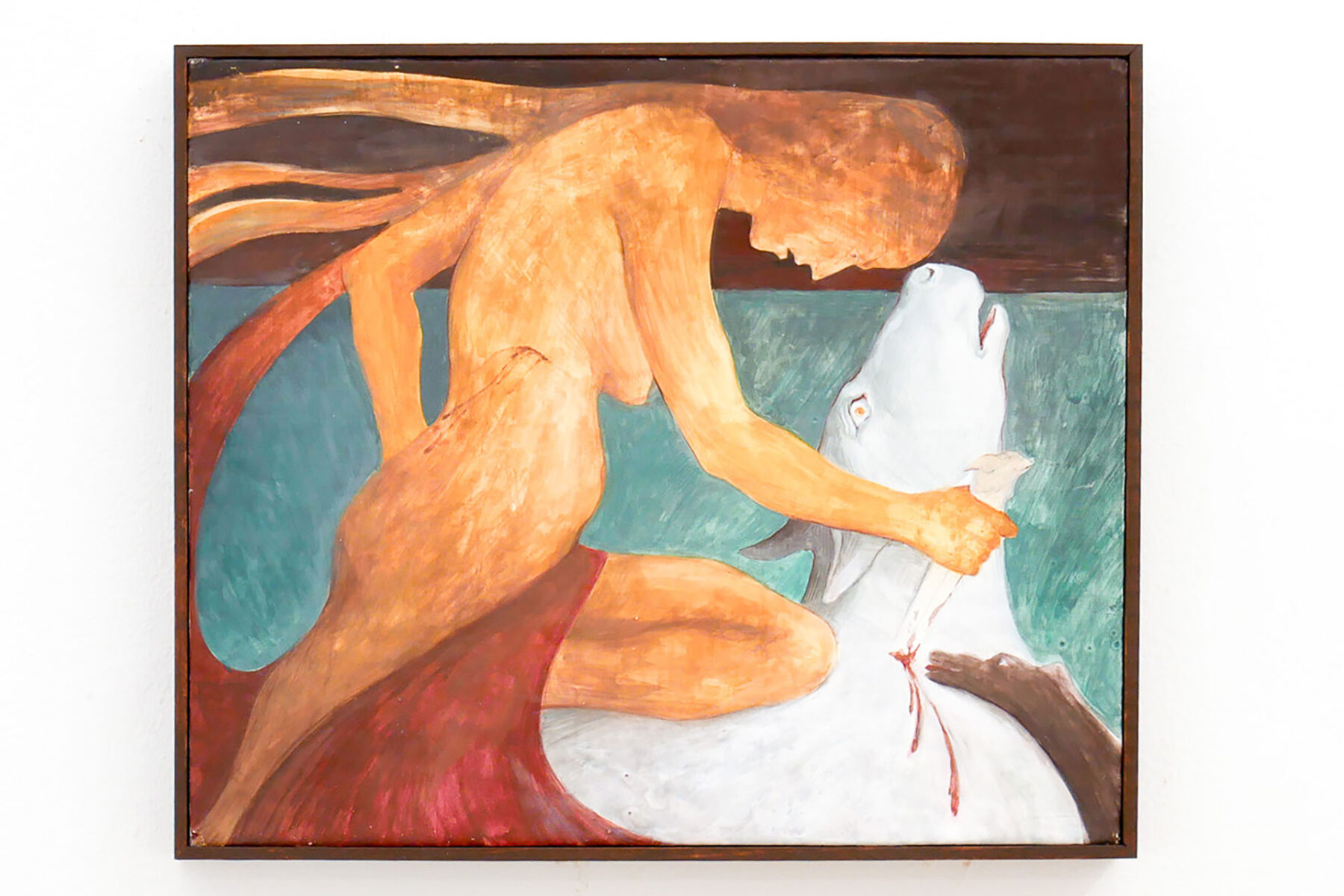

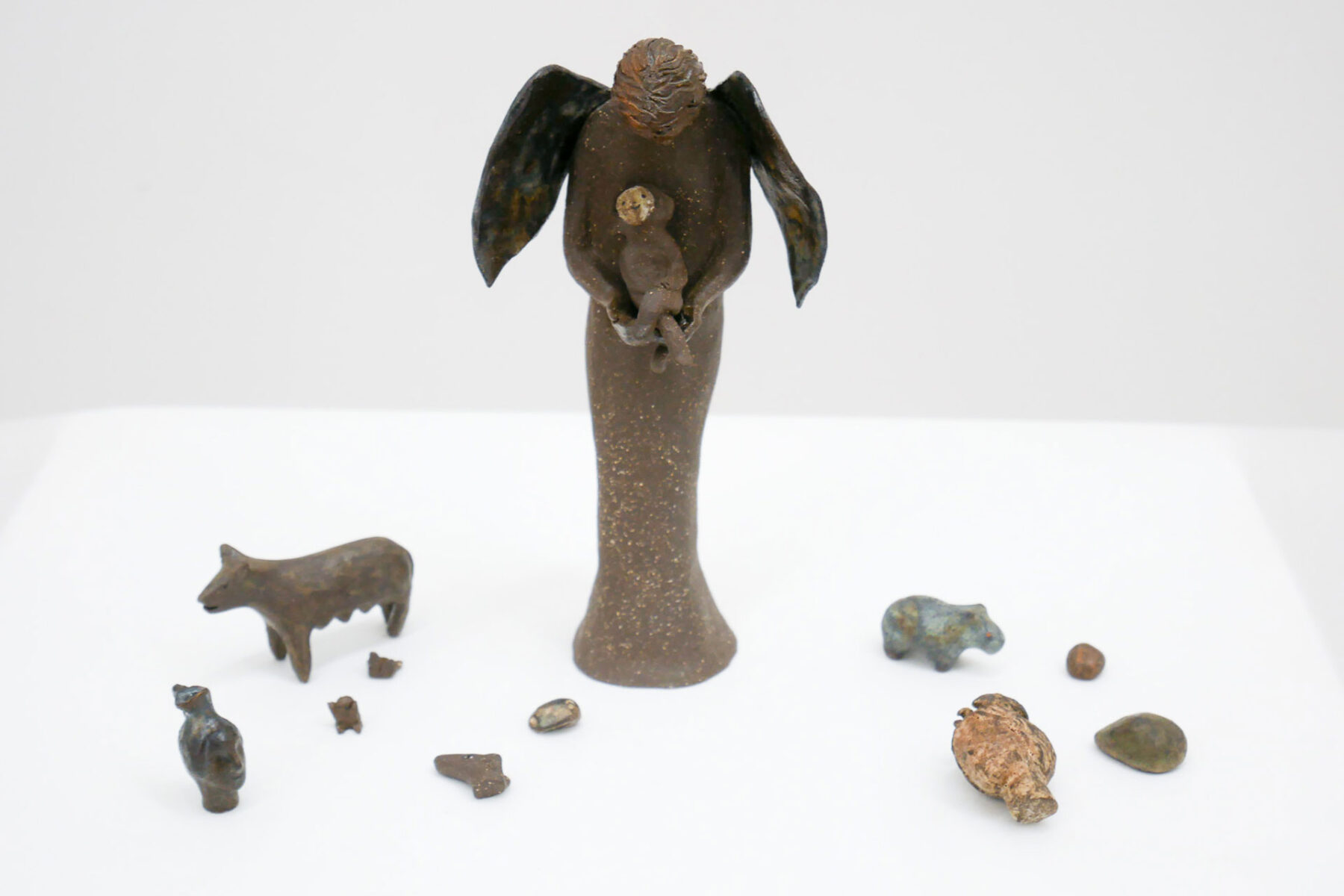
This appreciation allows Harte’s work to escape the trap of stiff traditionalism. Her figures are statuesque, yes, but they possess a liminal quality, a sense of being caught between worlds. One of the most intimate moments of “Gentle Madness” was Harte’s decision to display her personal travel notebooks and diaries. Harte invited the public to skim through the pictures and class notes that documented her solo travels.
From her childhood training in ballet, opera, and calligraphy to her current exploration of accents like transparent paper and red motifs, Harte is a Renaissance child in the truest sense. “Gentle Madness” was an invitation to explore the lines of an artist who is just as comfortable discussing 15th-century techniques as she is navigating a solo train ride through Europe. As Harte prepares for her next chapter, she leaves us with a body of work that proves beauty is not a relic, and instead a living artifact of the present.

More from Jocelyn Harte | @jofipop
Amelia De Leon is a sophomore pursuing a BFA in the School of Art. Follow her at @ameliadeleonn.